
Planting
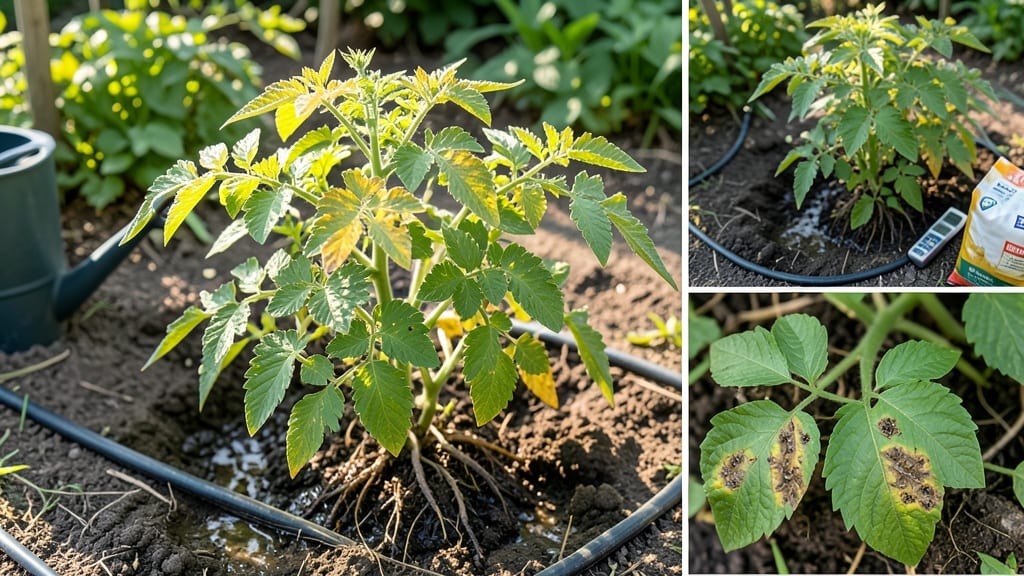
Your cherry tomato plant turning yellow is a cry for help from its roots—often the first sign of overwatering or poor drainage. 🌱 I’ve seen this happen more than I’d like to admit, especially after heavy rains or when gardeners get overzealous with the watering can.
The good news? Most yellowing leaves are reversible with the right adjustments, and you can save your plant before it’s too late.
Yellowing often starts at the lower leaves because that’s where the plant directs its energy when roots are struggling. Check the soil: if it’s soggy or smells like rot, you’ve got overwatering. Other clues include wilting despite wet soil or leaves that feel mushy when touched.
The fix isn’t complicated—it’s about giving roots the space to breathe and water only when the top inch of soil feels dry.
Start by adjusting your watering routine: deep soaks every 2-3 days (depending on your climate) are better than daily shallow drinks. If your plant is in a pot, ensure it has drainage holes—no exceptions.
For in-ground plants, consider amending the soil with compost to improve aeration. Within a week, you’ll see new green growth pushing out, and your plant will bounce back stronger than ever.
Prevention is key: mulch around the base to retain moisture without suffocating roots, and avoid watering late in the day when evaporation slows down. Once you’ve got the routine down, your cherry tomatoes will stay lush, productive, and—most importantly—happy. Trust me, your future harvests will thank you.
Root Causes of Yellowing Leaves
Your once-vibrant cherry tomato plant is sending up a distress signal—yellowing leaves—and understanding the why behind it is the first step to bringing it back to health.
Yellow leaves aren’t just a cosmetic issue; they’re a cry for help from your plant, often tied to root health, nutrient imbalances, or environmental stressors. Let’s break down the most common culprits, backed by science, so you can diagnose and act fast.
If your cherry tomato plant’s leaves are turning yellow and the soil feels soggy to the touch, overwatering is likely the villain. Roots need oxygen to thrive, and when they’re constantly submerged in water, they suffocate—a condition called root rot.
This fungal or bacterial infection clogs root cells, preventing them from absorbing water and nutrients, which causes leaves to yellow (a process called chlorosis).
🔍 How to spot it:
- Yellowing starts at the bottom leaves and moves upward.
- Leaves may feel slimy or mushy when touched.
- Stems appear soft or discolored near the soil.
- Soil smells rank or sour (like rotten eggs).
💡 Pro tip: Stick your finger 1–2 inches into the soil. If it’s damp and cool, hold off on watering. Cherry tomatoes prefer soil that’s moist but well-draining—think of a wrung-out sponge, not a swamp.
On the flip side, yellowing leaves can also signal underwatering, especially if the soil is bone-dry or crusty. When roots can’t access enough water, the plant prioritizes survival by shedding leaves—starting with the oldest ones.
This stress-induced yellowing is often paired with crispy or curled edges and a general wilting appearance.
🔍 How to spot it:
- Yellowing is patchy and may include brown, dry spots.
- Leaves feel paper-thin or brittle.
- Soil is pulled away from the pot edges (indicating extreme dryness).
💡 Pro tip: Water deeply until it drains from the bottom of the pot, then wait until the top inch of soil is dry before watering again. Mulch with straw or shredded leaves to retain moisture and reduce evaporation.
Cherry tomato plants are tropical at heart and hate extremes. If your plant is exposed to frost, scorching heat, or sudden temperature swings, its roots struggle to absorb nutrients efficiently.
Cold stress can cause chlorosis (yellowing between leaf veins), while heat stress may lead to leaf scorch (yellowing with brown edges).
🔍 How to spot it:
- Yellowing occurs uniformly on all leaves (not just old or new ones).
- Leaves may have brown, crispy edges (heat stress) or purple veins (cold stress).
- New growth is stunted or deformed.
💡 Pro tip:
- 🌡️ Ideal temps: Keep plants between 60–85°F (15–29°C).
- 🌞 Sun protection: Use shade cloth (30–50%) during peak afternoon sun in hot climates.
- 🌡️ Cold snaps? Move pots to a sheltered spot or cover with frost cloth.
Yellowing leaves can also signal a nutrient deficiency, particularly in nitrogen, magnesium, or iron. Since roots are the plant’s lifeline for absorbing these essential elements, poor root health directly impacts leaf color:
| Deficiency | Yellowing Pattern | What’s Missing? |
|---|---|---|
| Nitrogen (N) | Older leaves turn pale yellow or greenish-yellow first. | Nitrogen fuels leaf growth; without it, leaves can’t produce enough chlorophyll. |
| Magnesium (Mg) | Yellowing appears as interveinal chlorosis (yellow between veins, veins stay green). | Magnesium is key for chlorophyll production; deficiency often starts in older leaves. |
| Iron (Fe) | Young leaves turn yellow while veins stay green (similar to magnesium but affects new growth). | Iron is vital for chlorophyll; poor soil aeration or high pH (alkaline soil) locks it out. |
💡 Pro tip:
- 📊 Test your soil: Use a DIY soil test kit or send a sample to a local extension office.
- ✨ Boost nutrients:
- For nitrogen: Add compost or blood meal.
- For magnesium: Use Epsom salt (1 tbsp/gallon of water) every 2 weeks.
- For iron: Apply chelated iron or grow in acidic soil (pH 6.0–6.8).
Hidden beneath the soil, root-dwelling pests (like root knot nematodes) and diseases (such as Verticillium wilt) can gnaw away at your plant’s roots, disrupting nutrient uptake. Yellowing leaves, stunted growth, and wilted foliage are classic signs of root compromise.
🔍 How to spot it:
- Yellowing spreads quickly and may include blackened or mushy roots (if you gently dig them up).
- Plant wilts even when soil is moist.
- Leaves may drop prematurely.
💡 Pro tip:
- 🔪 Inspect roots: Gently remove the plant from the pot and rinse roots. Look for galls (lumpy growths), lesions, or slimy coatings.
- 🌱 Treat infected plants:
- For nematodes: Apply neem oil or beneficial nematodes (like Ste
Revive Your Cherry Tomatoes Now
Yellowing leaves on your cherry tomato plant don’t have to mean the end of your harvest—with the right fixes, you can bring your plant back to health and even prevent future issues.
Below are targeted solutions for the most common causes of yellowing, paired with easy-to-follow steps and pro tips to keep your tomatoes thriving.
If your plant’s roots are drowning in soggy soil, the first step is to stop watering immediately. Overwatering deprives roots of oxygen, leading to yellowing and potential rot. Here’s how to rescue it:
- 🔥 Pause Watering – Let the top 1–2 inches of soil dry out completely before watering again. Stick your finger in the soil to check moisture.
- 🍳 Improve Drainage – Mix in perlite, sand, or compost to aerate the soil. If potted, consider repotting into a container with drainage holes.
- 👨🍳 Check the Roots – Gently remove the plant (if possible) and inspect roots. Healthy roots are firm and white; mushy or black roots need trimming before replanting.
- ⏰ Adjust Watering Schedule – Water deeply but infrequently (every 2–3 days in hot weather, less in cooler conditions). Early morning is best to reduce evaporation.
💡 Pro Tip: If your plant is severely waterlogged, place it in a shady spot for a few days to slow recovery stress.
Crispy edges and wilting leaves? Your cherry tomato might be thirsty. Unlike overwatering, underwatering causes stress that manifests as yellowing, especially on older leaves.
- 💦 Water Deeply – Soak the soil until water drains from the bottom of the pot (or seeps 6+ inches into the ground). Use a hose or watering can for even coverage.
- 🌡️ Monitor Soil Moisture – Use a moisture meter or the finger test. Soil should feel damp but not soggy.
- 🎯 Mulch to Retain Moisture – Spread 2–3 inches of straw or shredded leaves around the base (keep it away from the stem) to lock in moisture.
- ✨ Adjust Frequency – Water every 1–2 days in heatwaves, but reduce to every 3–4 days in cooler weather.
💡 Pro Tip: Yellowing from underwatering often starts at the leaf edges. If the entire leaf turns yellow, overwatering may be the culprit instead.
Yellowing leaves can signal a lack of essential nutrients, particularly nitrogen, magnesium, or iron. Here’s how to diagnose and treat:
| Symptom | Likely Deficiency | Solution |
|---|---|---|
| Yellowing between leaf veins (older leaves) | Magnesium (chlorosis) | Apply Epsom salt (1 tbsp per gallon of water) every 2 weeks. |
| Pale yellow leaves, stunted growth | Nitrogen | Use a balanced fertilizer (10-10-10) or compost tea. |
| Yellowing on new leaves, weak stems | Iron or zinc | Apply chelated iron or use a foliar spray with micronutrients. |
💡 Pro Tip: Test your soil’s pH (ideal: 6.0–6.8). Nutrients like iron become unavailable in alkaline soil—add sulfur if needed.
If yellowing is paired with spots, holes, or sticky residue, pests or disease may be to blame. Act quickly to prevent spread:
- 🔪 Identify the Culprit –
- Aphids/spider mites: Tiny webs or clusters on undersides of leaves.
- Fungal issues (early blight): Brown spots with yellow halos.
- Root rot: Mushy stems and foul-smelling soil.
- 🌿 Treat Pests –
- Spray with neem oil (1 tsp per quart of water) or insecticidal soap.
- Wipe leaves with a damp cloth to remove mites.
- 🍖 Fight Fungus –
- Remove infected leaves and destroy them (don’t compost).
- Apply copper fungicide or a baking soda spray (1 tsp baking soda + 1 quart water + a drop of dish soap).
- 🚫 Prevent Recurrence –
- Space plants for airflow; avoid overhead watering.
- Rotate crops yearly to prevent soil-borne diseases.
💡 Pro Tip: For root rot, prune affected roots and repot in fresh, sterile soil with added perlite.
With these fixes, your cherry tomato plant should bounce back in 1–2 weeks. Monitor closely—adjusting water, nutrients, and care based on its response is key. And remember: prevention (like proper drainage and regular inspections) is the best cure!
Frequently asked questions
Why are the youngest leaves turning yellow first?
This often signals an iron or zinc deficiency—nutrients that young leaves need most for growth. Check if your soil is alkaline (pH >7.0), as these minerals become locked out. Try a foliar spray with chelated iron or repot with acidic compost (pH 6.0-6.8). Yellowing new leaves can also mean over-fertilizing with nitrogen-heavy feeds.
Can I still harvest tomatoes if leaves are yellow?
Yes! Mature green or red tomatoes won't be affected by leaf yellowing. Focus on harvesting these first while you fix the root issue. Remove only the most severely yellowed leaves (those with brown edges) to redirect the plant's energy to fruit production. Avoid pruning healthy foliage unless absolutely necessary.
How do I know if yellowing is from overwatering vs. disease?
Overwatering causes bottom leaves to yellow first with mushy stems and foul-smelling soil, while disease (like early blight) shows brown spots with yellow halos on upper leaves. Check the soil moisture—if it's soggy, it's likely overwatering. For disease, look for white mold growth or leaf spots that spread quickly.
Will my cherry tomato plant recover if I fix the yellowing now?
With proper care, most plants bounce back within 1-2 weeks. Focus on correcting the root cause (water, nutrients, or pests) and providing consistent conditions. Remove all yellowed leaves below the first healthy set to encourage new growth. Remember: prevention is key—once recovered, monitor soil moisture and nutrient levels closely.
Can I use coffee grounds to fix yellowing leaves?
Yes, but only for nitrogen deficiency—coffee grounds add nitrogen as they decompose. Mix 1 cup per plant into the top inch of soil and water well. Avoid using fresh grounds (they can burn roots) and don't rely on them for other nutrient deficiencies like magnesium or iron. Test soil first to confirm the deficiency.