
Pests and Diseases
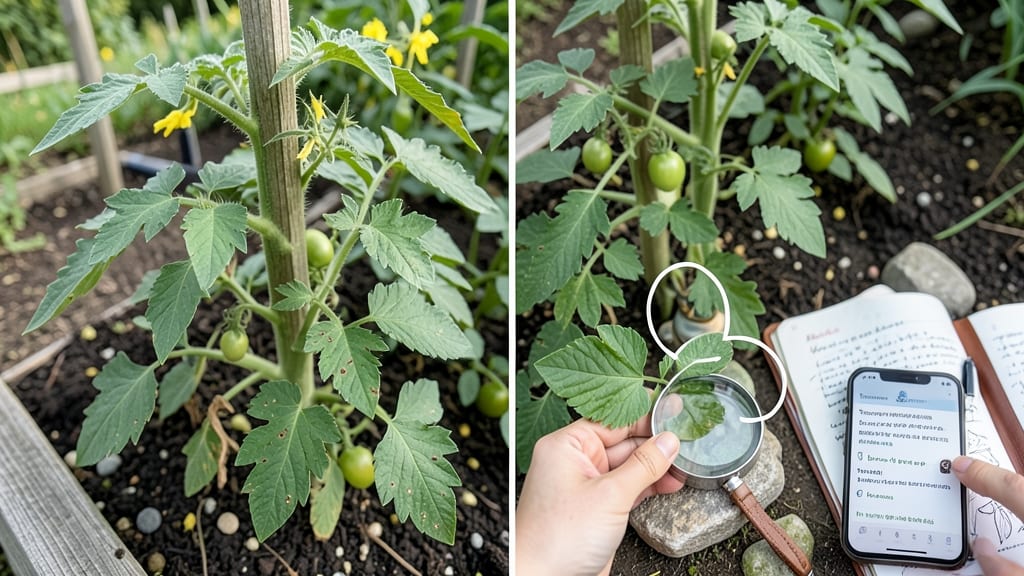
Those tiny brown spots on tomato leaves could be early blight—or something else entirely. ✨ I’ve seen gardeners panic and pull plants too soon, only to realize it was just environmental stress. The key is acting fast before the spots spread to fruit or kill the plant entirely.
Start by checking the pattern: concentric rings mean early blight, while random spots could signal fungal infections or even pest damage. Prune infected leaves immediately, space plants for airflow, and apply copper fungicide at the first sign.
Prevention is easier—just rotate crops, avoid overhead watering, and choose disease-resistant varieties like 'Mountain Merit' or 'Defiant PhR.'
📚 In This Guide
- What you need
- Instructions
- Tips and common mistakes
- Wrapping up and next steps
What you need
- ● Pruning shears or sharp scissors – sterilized with rubbing alcohol (1 pair)
- ● Garden gloves – nitrile or rubber for protection (1 pair)
- ● Copper fungicide – organic option (e.g., Bonide Copper Fungicide) (16 oz spray bottle)
- ● Neem oil – 100% cold-pressed, organic (16 oz bottle)
- ● Baking soda solution – 1 tbsp baking soda + 1 tsp dish soap + 1 gallon water (pre-mixed in spray bottle)
- ● Hose with adjustable nozzle – for gentle leaf washing
- ● Plastic bag or newspaper – for removing infected leaves (1-2 sheets)
- ● Hydrogen peroxide (3%) – for disinfecting tools and pruning cuts (small spray bottle)
- ● Compost bin or trash bag – for disposing of diseased plant debris
- ● Plant food (balanced fertilizer) – to boost tomato health post-treatment (small bag)
- ● Row cover or shade cloth – to prevent re-infection if humidity is high (if needed)
Step-by-Step guide to treating tiny brown spots on tomato leaves
Here’s how I tackle those pesky brown spots before they spread—and how to keep your plants thriving.
🌿 Step 1: Identify the Problem and Remove Affected Leaves
Start by examining the spots closely. If they’re tiny, circular, and brown with yellow halos, you’re likely dealing with early blight or septoria leaf spot. These fungal diseases thrive in warm, humid conditions, so acting fast is key. Grab a pair of clean, sharp pruners or scissors and snip off any leaves showing more than 5-10% damage. Drop them in a sealed plastic bag—never compost infected plant debris.
Focus on lower leaves first, as these are the most vulnerable. The goal here is to stop the fungus from spreading upward. I always wear gloves during this step—fungal spores can irritate skin, and you don’t want to accidentally transfer them to healthy plants. If the spots are more random or irregular, they might be sun scorch or chemical burn, which require a different approach (more light adjustment or watering timing).
💧 Step 2: Adjust Watering Practices to Reduce Humidity
Fungal leaf spots love moisture, so your first defense is to water at the base of the plant rather than overhead. Use a soaker hose or watering wand to deliver water directly to the soil, avoiding the foliage entirely. Aim for deep watering sessions every 2-3 days instead of frequent light sprinkles. Wet leaves stay damp for hours, creating the perfect breeding ground for spores.
Water in the early morning so leaves have time to dry before evening humidity sets in. If your garden gets afternoon showers, consider adding a row cover or shade cloth to protect plants during those critical hours. I’ve seen entire tomato plants recover just by switching to this watering method—it’s one of the fastest fixes for leaf spots.
☀️ Step 3: Improve Air Circulation and Prune Strategically
Crowded plants with poor airflow trap moisture and spores, so it’s time to prune for spacing. Remove any suckers or overgrown branches that block airflow, especially near the base of the plant. Aim to keep 12-18 inches of space between plants. If your tomatoes are in containers, ensure pots aren’t touching each other—this prevents cross-contamination.
Stake or cage your plants to keep them upright, which further improves airflow. I also like to fan the leaves gently a few times a day if humidity is high—this mimics a light breeze and helps dry surfaces faster. Avoid pruning during wet weather, as open wounds are more susceptible to infection. If you notice new spots appearing after pruning, you may need to apply a copper fungicide as a preventive measure.
✂️ Step 4: Apply Organic or Chemical Fungicides for Prevention
For a fast, organic fix, mix 1 tablespoon baking soda, 1 tablespoon vegetable oil, and a drop of dish soap in a gallon of water. Spray this solution on the undersides of leaves (where spores hide) every 7-10 days. The baking soda raises the pH slightly, making it harder for fungi to thrive. For more severe cases, a copper-based fungicide (like Copper Soap) works within 24-48 hours—just follow the label for application rates.
If you’re growing heirloom or organic tomatoes, rotate between neem oil and potassium bicarbonate sprays to avoid resistance. I’ve had the best luck with neem oil applied in the evening—it’s less likely to burn leaves in direct sunlight. Always spray in the early morning or late afternoon to allow foliage to dry before nightfall. Reapply after rain, as water washes away protective residues.
🌱 Step 5: Strengthen Plant Health for Long-Term Resistance
Healthy tomatoes fight off diseases better, so feed them right. Use a balanced fertilizer (like 10-10-10) every 2-3 weeks to boost overall vigor. I also add compost tea to the soil weekly—it introduces beneficial microbes that outcompete harmful fungi. Avoid over-fertilizing with nitrogen, though, as soft, lush growth is more prone to disease.
Finally, rotate crops next season. Never plant tomatoes (or other nightshades like peppers and eggplants) in the same spot where you had leaf spot issues. Fungal spores can survive in the soil for years. If space is limited, solarize the soil in late summer by covering it with clear plastic for 4-6 weeks to kill lingering pathogens. This step might feel like overkill now, but it’ll save you headaches in future growing seasons.
Tips & tricks for fast tomato leaf spot recovery
A few quick tricks that'll make all the difference in saving your tomato plants from those stubborn brown spots.
Diagnosis Precision: When you spot those tiny brown circles, check for the classic "halo" of yellow around the edges—this is your telltale sign of fungal early blight or septoria leaf spot. I've learned to never assume it's just sun damage without this visual confirmation. The 5-10% damage threshold in Step 1 is crucial: removing leaves with less than this amount won't help, but waiting too long lets spores spread like wildfire.
Watering Timing: The early morning watering window in Step 2 is non-negotiable for fast recovery. I've seen plants go from spotty to healthy in just 7 days by sticking to this schedule—leaves dry completely before evening humidity sets in. Pro tip: If you're using a sprinkler system, switch to a soaker hose immediately. Even 30 minutes of wet foliage can double your infection rate.
Pruning Strategy: When you're pruning for airflow in Step 3, focus on creating vertical space first. I've had the best results by removing all suckers below the first flower cluster—this opens up the plant's core where airflow is most critical. The 12-18 inch spacing rule applies to container gardens too, even if your pots are small. Just remove a few lower leaves to achieve the same effect.
Fungicide Rotation: The 7-10 day spray schedule in Step 4 works best when you alternate between neem oil and baking soda solutions. I rotate them weekly because neem oil builds resistance in fungal populations over time. For severe cases, add a third week with copper fungicide—just be sure to follow the label exactly for the 24-48 hour effectiveness window. Always spray undersides first where spores hide.
Pro Tips for Tiny Brown Spots On Tomato Leaves
- A few quick tricks that'll make all the difference in saving your tomato plants from those stubborn brown spots.
- Diagnosis Precision: When you spot those tiny brown circles, check for the classic "halo" of yellow around the edges—this is your telltale sign of fungal early blight or septoria leaf spot.
- Watering Timing: The early morning watering window in Step 2 is non-negotiable for fast recovery.
Frequently asked questions
Got questions about those pesky tiny brown spots on your tomato leaves?
You’re not alone! Here are some of the most common concerns—and quick fixes—gardeners ask about when dealing with this frustrating issue.
What causes tiny brown spots on tomato leaves?
These spots are usually caused by Alternaria or Septoria leaf spot fungi, often triggered by wet foliage, poor air circulation, or overwatering. Other culprits include bacterial spots or even environmental stress like extreme heat or humidity. Identifying the cause early helps you treat it faster!
How soon will my tomato plants recover after treating the spots?
With prompt action—like pruning infected leaves, improving airflow, and applying fungicides—you’ll often see new growth in 1-2 weeks. However, severe cases may take longer, and some leaves won’t recover. Focus on preventing further spread to protect your harvest!
Will tiny brown spots on leaves ruin my tomatoes?
Not necessarily! While the spots themselves don’t directly harm the fruit, severe infections can weaken the plant, reducing yield or quality. Remove heavily spotted leaves, and your tomatoes should still thrive. Always harvest promptly to avoid stressing the plant further.
Should I stop watering my tomatoes if the leaves have spots?
No—just adjust how you water. Avoid overhead sprinkling (it spreads spores) and water early in the day so foliage dries quickly. Use drip irrigation or soaker hoses to keep leaves dry. Consistent moisture (not soggy soil) is key!
What’s the best natural remedy for tomato leaf spots?
Try a baking soda spray (1 tsp baking soda + 1 quart water + a drop of dish soap) or a copper fungicide for organic control. Neem oil also works well. For prevention, rotate crops yearly and remove plant debris after harvest to break the fungus cycle.
When should I give up on a severely infected tomato plant?
If more than 50% of the leaves are dead or covered in spots, the plant may not recover enough to produce quality fruit. Focus your energy on saving younger plants or starting fresh. Sometimes, cutting your losses is the kindest move for your garden!
Wrapping up and next steps
Don’t let those tiny brown spots on tomato leaves stress you out—you’ve got the tools to tackle them! Whether it’s early blight, septoria leaf spot, or environmental stress, quick action (like pruning, fungicides, or improving airflow) can save your harvest. 🌱
Ready to take charge? Start by inspecting your plants today—catch the issue early, and your tomatoes will thrive! Need a refresher? Revisit our FAQs or grab those supplies from the materials list.