
Vegetables
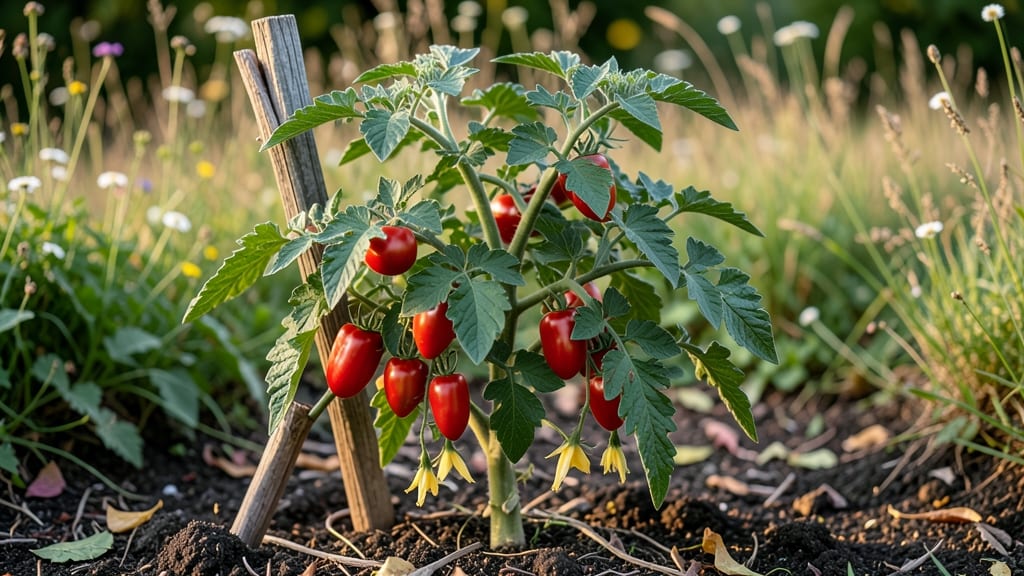
Oblong tomatoes like Black Krim and Brandywine transform your garden into a gourmet kitchen. 🌱 These varieties pack rich, meaty flesh perfect for sauces and slicing—nothing like their round cousins. I grew my first oblong tomatoes last summer, and the flavor difference was shocking compared to store-bought slicers.
The secret to their success lies in well-draining soil and full sun (6-8 hours daily). They need staking or cages because their vines sprawl, and pruning suckers early keeps energy focused on fruit production. My plants produced pounds of tomatoes by late August, with harvests lasting until frost.
You'll end up with tomatoes so flavorful they'll change how you cook—thick walls hold up to slow simmering, while the sweet-tart balance works fresh in salads too. The first bite of a vine-ripened oblong tomato is a game-changer for any home garden.
These varieties thrive in zones 4-10, making them adaptable whether you're in a cool mountain garden or a hot southern climate. Just avoid planting them where round tomatoes grew last year to prevent disease buildup.
📚 In This Guide
- What you need
- Instructions
- Tips and common mistakes
- Wrapping up and next steps
What you need
- ● Oblong tomato seeds or seedlings: Choose heirloom varieties like ‘Black Krim,’ ‘Roma,’ or ‘San Marzano.’ Start with 3–5 plants (or seeds) for a small harvest.
- ● Well-draining potting mix or garden soil: A 50/50 blend of compost and sterile potting soil (for containers) or amended garden soil with aged compost (2–3 inches).
- ○ Containers (optional but helpful): 5-gallon pots (minimum 12–18 inches deep) for 1–2 plants each.
- ● Raised beds (at least 12 inches deep) for 3+ plants in a row.
- ● Fertilizer: Balanced 10-10-10 or 5-10-10 fertilizer for seedlings.
- ● Tomato-specific organic fertilizer (e.g., fish emulsion or compost tea) for flowering/fruiting stages.
- ● Stakes or cages: 6–8 ft tall bamboo stakes or 5–6 ft tomato cages (1 per plant).
- ● Mulch: Straw or shredded leaves (2–3 inches thick) to retain moisture.
- ● Watering can or hose with gentle spray nozzle: For deep watering (1–2 inches per week).
- ● Pruning shears: Sharp, clean pair for trimming suckers and dead leaves.
- ● Grow lights or a sunny windowsill for seed starting (if not direct-sowing).
- ● Drip irrigation system for consistent moisture in hot climates.
- ● Row covers or shade cloth to protect from pests or intense sun.
- ● Epsom salt (1 tbsp per gallon of water) for magnesium boosts (every 2–3 weeks).
- ● Pest deterrents like neem oil or companion plants (basil/marigolds).
How to select and grow top oblong tomato varieties
Here's how to pick the best oblong tomato varieties for your garden and get them thriving.
🌱 Step 1: Choose the Right Varieties for Your Climate
Oblong tomatoes like 'Roma', 'San Marzano', and 'Plum Perfect' perform best in warm climates with long growing seasons. These varieties ripen later than slicing tomatoes, so plant them after your last frost date when soil reaches 60°F. I always check my local frost dates and add 60 days to the variety's maturity time to plan spacing.
For cooler regions, opt for earlier-maturing oblong types like 'Celebrity' or 'Better Boy' (though they're slightly plumper). You'll see the difference in flavor and yield—longer, meatier fruits handle heat better and resist cracking. Start with 4 plants to give each room to grow without competing for nutrients.
☀️ Step 2: Prepare the Planting Site for Heavy Fruit Production
Oblong tomatoes need full sun—6-8 hours daily—and well-draining soil rich in organic matter. Amend your garden bed with 2-3 inches of compost mixed into the top 12 inches of soil. I dig a trench around the planting area to create a slight basin that holds moisture without waterlogging roots.
Install tomato cages or stakes at planting time to avoid disturbing roots later. These varieties grow 4-6 feet tall, so choose sturdy supports that won't topple under the weight of heavy fruit clusters. Space plants 2-3 feet apart in rows 3 feet apart to allow airflow and prevent disease.
💧 Step 3: Water Deeply and Consistently for Optimal Growth
Water oblong tomatoes at the base 1-2 inches per week, keeping soil evenly moist but never soggy. I use a soaker hose or drip irrigation to deliver water slowly at the roots, which prevents fungal diseases that love wet foliage. Water in the morning so leaves dry quickly—this is critical for preventing blight.
Watch for wilting in the heat of the day; that's your cue to water immediately. Mulch with 2-3 inches of straw or shredded leaves to retain moisture and regulate soil temperature. You'll notice stronger stems and fewer blossom-end rot issues when roots stay consistently hydrated.
✂️ Step 4: Prune and Support for Maximum Yield
Prune suckers (the small shoots in the leaf axils) regularly to direct energy to fruit production. I remove suckers larger than 1 inch when they appear, using clean pruners to avoid spreading disease. Leave only the main stem and scaffold branches to support the heavy fruit load.
Tie vines to stakes every 2-3 weeks as they grow. Oblong varieties produce fruit in clusters, so sturdy support prevents branches from snapping. Harvest when fruits reach full size but before they soften—this ensures peak flavor and prevents cracking. You'll get 2-3 harvests per plant if you stay on top of pruning and support.
🌿 Step 5: Fertilize and Monitor for Pests/Diseases
Feed plants with a balanced fertilizer (10-10-10 ratio) at planting, then switch to a low-nitrogen, high-phosphorus formula (5-10-10) when flowers appear. I apply fertilizer every 4-6 weeks during the growing season, always watering before and after to prevent root burn.
Inspect leaves weekly for early signs of pests like aphids or diseases like early blight. Remove affected foliage immediately and treat with neem oil or copper fungicide as needed. Your goal is to keep plants healthy enough to support their heavy fruit load without stress.
Tips & tricks for perfect oblong tomato growth
Here's what I've learned after growing these varieties for years—and how to avoid the mistakes I made early on.
Variety Selection Matters: The 60°F soil temperature threshold in Step 1 is non-negotiable for warm-weather varieties like 'Roma' and 'San Marzano'. If you're in a cooler climate, 'Celebrity' matures faster but produces slightly plumper fruit. I always check my local frost dates and add 60 days to the variety's maturity time—this gives you a realistic planting window that accounts for your specific growing conditions.
Soil Prep Secret: The 2-3 inches of compost in Step 2 should be mixed into the top 12 inches of soil, not just spread on top. This creates a nutrient-rich zone where roots can thrive. I dig a trench around the planting area to create a slight basin—this helps retain moisture while preventing waterlogging. For heavy clay soils, consider adding a 5-gallon bucket of sand to improve drainage.
Watering Wisdom: The 1-2 inches per week guideline in Step 3 works best when delivered consistently. I use a rain gauge to track weekly rainfall and adjust my watering schedule accordingly. Morning watering is critical—it gives leaves time to dry completely before nightfall, reducing the risk of fungal diseases like early blight. If you notice wilting during the day, that's your signal to water immediately, even if it's not yet the scheduled time.
Pruning Payoff: Those 1-inch suckers in Step 4 might look harmless, but removing them regularly directs all the plant's energy to fruit production. I prune every 2-3 weeks and always use clean pruners to prevent spreading disease. The goal is to leave only the main stem and scaffold branches—this creates a strong structure that can support the heavy fruit clusters without snapping.
Pro Tips for Oblong Tomato Variety
- Here's what I've learned after growing these varieties for years—and how to avoid the mistakes I made early on.
- Variety Selection Matters: The 60°F soil temperature threshold in Step 1 is non-negotiable for warm-weather varieties like 'Roma' and 'San Marzano'.
- Soil Prep Secret: The 2-3 inches of compost in Step 2 should be mixed into the top 12 inches of soil, not just spread on top.
Frequently asked questions
Got questions about growing or using oblong tomato varieties? You’re not alone! Here are some of the most common queries—plus straightforward answers to help you grow like a pro.
What’s the best time to plant oblong tomato seeds or seedlings?
For warm climates, plant seeds indoors 6–8 weeks before your last frost or transplant seedlings after soil reaches 60°F (15°C). In cooler regions, opt for early-maturing varieties like ‘Roma’ or ‘San Marzano’ to avoid heat stress. Pro tip: Use black plastic mulch to warm the soil faster!
How do oblong tomatoes differ from round varieties in taste and cooking?
Oblong tomatoes (like ‘Pear’ or ‘Plum’ types) are meaty, low-seeded, and intensely flavorful—perfect for sauces, pastes, and sun-dried slices. Round tomatoes (e.g., ‘Beefsteak’) are juicier and better for salads. Try this: Blend oblongs into homemade marinara for a richer, sweeter base!
Why are my oblong tomatoes cracking, even though I’m watering consistently?
Cracking often happens when soil moisture fluctuates wildly (e.g., dry spells followed by heavy watering). To prevent it:
- Water deeply 1–2 times per week (early morning is best).
- Use mulch to retain even moisture.
- Harvest tomatoes when 75% ripe to avoid over-maturation.
Can I grow oblong tomatoes in containers? What’s the ideal pot size?
Oblong varieties (especially determinate types like ‘Tiny Tim’) thrive in containers. Use pots at least 12–18 inches deep and wide with drainage holes. Add potting mix + compost and stake or cage plants for support. Space 2–3 plants per 5-gallon container for optimal airflow.
What’s a good oblong tomato alternative if I hate dealing with vines or pests?
Try ‘Mountain Merit’ (disease-resistant) or ‘Solar Fire’ (heat-tolerant). For low-maintenance options, cherry oblongs like ‘Sweet 100’ produce prolifically with minimal pruning. Prevent pests by:
Quick fix: Rotate crops yearly to break pest cycles!
Wrapping up and next steps
Growing oblong tomato varieties can transform your garden into a bountiful harvest of flavorful, versatile fruits! Whether you love slicing them for sandwiches, sun-dried tomatoes, or fresh salads, these unique shapes bring both visual appeal and delicious rewards.
With the right soil, support, and care, you’ll be enjoying homegrown tomatoes in no time—so grab those seeds and get planting!
Ready to take the next step? Start small with a few plants, experiment with different varieties, and soon you’ll be sharing your homegrown treasures with friends and family. Happy gardening! 🌱🍅