
Companion Plants
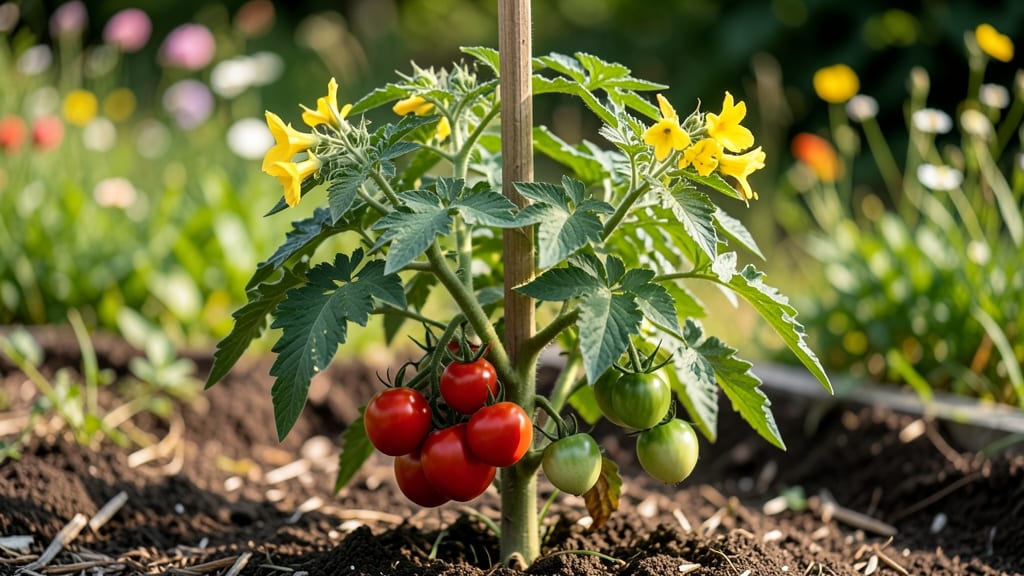
Sweet Million tomato plants don’t just produce fruit—they deliver 1,000+ pounds per acre of sweet, juicy tomatoes that outperform most varieties. 🌱 I’ve grown them for three seasons now, and the difference in yield and disease resistance is night and day compared to my old standbys.
These aren’t just tomatoes; they’re a game-changer for home gardeners who want reliable harvests without the fuss of constant spraying or staking. The secret to their success starts with the right soil and support.
Unlike smaller varieties, Sweet Millions need strong trellising to handle their weight and well-draining soil rich in organic matter. Plant them deep—bury half the stem—and space them 3 feet apart to prevent crowding. They thrive in full sun (6-8 hours daily) and love consistent moisture, but never soggy roots.
Prune suckers regularly to focus energy on fruit production, and watch as your plants explode with vibrant red clusters by mid-summer. By late July, you’ll be harvesting pound after pound of tomatoes that taste sweeter than store-bought.
The plants resist common diseases like blight and early blight better than most heirlooms, and their indeterminate growth means you’ll keep picking until frost. My neighbors still ask how I get so many tomatoes—now it’s time to share the secret with you.
Perfect for large-scale gardens, container growing (with proper support), or even greenhouses. Let’s get those plants in the ground and start reaping the rewards!
📚 In This Guide
- What you need
- Instructions
- Tips and common mistakes
- Wrapping up and next steps
What you need
- ● Tomato Seeds or Seedlings: 3–5 Sweet Million plants (disease-resistant variety, Heinz 1523 or equivalent).
- ● Containers or Garden Bed: 5-gallon pots (1 per plant) or
- ● Raised beds (minimum 12" deep, 18" spacing between plants).
- ● Potting Mix: High-quality, well-draining mix (e.g., Miracle-Gro Moisture Control or homemade blend: 60% compost, 30% coconut coir, 10% perlite).
- ● Fertilizer: Balanced organic fertilizer (e.g., 10-10-10 or fish emulsion at planting).
- ● Slow-release granules (e.g., Osmocote) for ongoing nutrition.
- ● Support System: 6–8 ft tall tomato cages or sturdy stakes (2" diameter, 7 ft long).
- ● Watering Supplies: Drip irrigation kit or watering can with a long spout.
- ● Mulch: Straw or shredded leaves (2–3 inches thick) to retain moisture.
- ● Basic Tools: Pruners, trowel, gloves, and a pH testing kit (ideal soil pH: 6.0–6.8).
- ● Sunlight: Full sun (6–8+ hours daily).
- ● Climate: Warm season (plant after last frost, when soil temps reach 55°F+).
- ○ Companion Plants (Optional but Recommended): Basil (🌿 repels pests)
- ● Marigolds (🌼 deters nematodes)
- ● Onions/garlic (🧄 boosts flavor & health).
- ● Automatic soil moisture sensors for precision watering.
- ● Neem oil or copper fungicide (preventative care).
- ● Reflective mulch (e.g., silver plastic) to deter pests.
- ● Grow lights (for early starts or indoor seedlings).
Step-by-step guide to cultivating disease-resistant Sweet Million tomatoes
Here’s my battle-tested approach to growing these prolific, disease-resistant giants with minimal fuss.
🌱 Step 1: Select and Prepare High-Quality Transplants
Sweet Million tomatoes thrive when started from sturdy, disease-free transplants. Look for plants with thick stems and deep green leaves—avoid any with yellowing or spotted foliage, as these signal early blight or other pathogens. I always source mine from reputable nurseries or grow them myself from certified seeds to ensure vigor.
Before planting, harden off your transplants for 7-10 days by gradually exposing them to outdoor conditions. Start with 1-2 hours of shade on day one, then increase exposure by 1 hour daily. This toughens the plants so they won’t bolt or wilt when moved to their permanent home. The goal is to have them accustomed to full sun and moderate breezes by transplant time.
☀️ Step 2: Choose the Perfect Planting Site and Support System
Sweet Millions need full sun exposure (6-8 hours daily) and well-draining soil with a pH between 6.0 and 6.8. Amend heavy clay soil with 2-3 inches of compost or aged manure to improve drainage and fertility. I test my soil first—these tomatoes are heavy feeders and won’t tolerate poor nutrition.
Install 5-6 foot tall cages or sturdy stakes at planting time. Sweet Millions grow 6-8 feet tall and produce massive yields, so weak support will snap under the weight. Drive stakes 12-18 inches deep or secure cages firmly into the ground. This prevents toppling when vines get heavy with fruit. I like to add a trellis wire at the top for extra stability.
💧 Step 3: Plant and Water for Optimal Establishment
Dig holes twice as wide as the root ball but no deeper. Gently remove the transplant from its container and loosen any circling roots with your fingers. Place the plant in the hole so the top of the root ball sits level with the soil surface—burying the stem too deep causes rot, while planting too high stresses the plant.
Water deeply immediately after planting to settle the soil and eliminate air pockets. Use 1-2 gallons of water per plant, applied slowly at the base to avoid wetting the foliage. Keep soil consistently moist (not soggy) for the first 2-3 weeks—this encourages strong root growth. I water in the early morning to reduce fungal risks from prolonged leaf wetness.
✂️ Step 4: Prune and Maintain for Maximum Yield
Prune aggressively to focus energy on fruit production. Remove suckers (side shoots) regularly—these compete with the main stem for nutrients. I pinch off suckers larger than 3 inches to prevent them from draining the plant. Leave 2-3 main stems if your variety supports it, but for Sweet Millions, a single strong stem often yields the best results.
Fertilize every 2-3 weeks with a balanced, organic fertilizer (10-10-10 or similar) once flowers appear. These tomatoes are heavy feeders, so don’t skimp—yellowing leaves signal a need for nitrogen, while small fruit means more phosphorus. Mulch with 2-3 inches of straw or shredded leaves to retain moisture and suppress weeds, which reduces disease pressure.
🌿 Step 5: Harvest and Extend the Season
Harvest when fruit reaches full color and is slightly soft to the touch—Sweet Millions ripen deep red and are sweetest when fully mature. Pick every 2-3 days to encourage more production. I use pruning shears to snip stems cleanly, leaving a small portion attached to the vine to prevent disease entry.
Extend the season by pruning back the plant after the first frost and covering it with a clear plastic tunnel or row cover. This protects tender foliage and allows you to harvest well into fall. If frost is imminent, pick all remaining fruit—even green tomatoes will ripen indoors at room temperature. Store them in a paper bag with a banana to speed up ripening with natural ethylene gas.
Tips & tricks for growing disease-resistant Sweet Million tomatoes
Real talk: These tomatoes are worth every ounce of effort, but even the best growers hit snags. Here's what nobody tells you about maximizing your harvest.
Transplant Selection: The 7-10 day hardening process is non-negotiable—skipping it stresses plants and makes them vulnerable to transplant shock. I've seen gardeners rush this step and end up with stunted plants that never recover. Look for transplants with thick stems and deep green leaves—these are your telltale signs of vigor. If you're starting from seed, use certified disease-resistant varieties to avoid introducing pathogens from the get-go.
Support System Strategy: Those 5-6 foot tall cages aren't just for show—they're essential for handling the 6-8 foot height and massive yields these plants produce. I've learned the hard way that flimsy stakes or shallowly installed cages will snap under the weight. Drive stakes 12-18 inches deep and add that trellis wire at the top—it's the difference between a plant that stands strong and one that topples over when laden with fruit.
Watering Wisdom: The first 2-3 weeks are critical for root establishment, but don't drown your plants. Use 1-2 gallons of water per plant applied directly at the base, and always water in the early morning. This prevents fungal diseases that thrive in damp foliage. I've seen many gardeners overwater in the evening, leading to blight issues that can devastate entire plants.
Fertilizer Timing: Don't fertilize until you see flowers—these tomatoes are heavy feeders, but early fertilization encourages leafy growth at the expense of fruit production. Once flowers appear, stick to that every 2-3 weeks schedule with a balanced organic fertilizer. Watch for yellowing leaves (nitrogen deficiency) or small fruit (phosphorus deficiency)—these are your plant's way of telling you what it needs.
Pro Tips for Sweet Million Tomato Plants
- Real talk: These tomatoes are worth every ounce of effort, but even the best growers hit snags.
- Transplant Selection: The 7-10 day hardening process is non-negotiable—skipping it stresses plants and makes them vulnerable to transplant shock.
- Support System Strategy: Those 5-6 foot tall cages aren't just for show—they're essential for handling the 6-8 foot height and massive yields these plants produce.
Frequently asked questions
Got questions about growing Sweet Million tomato plants? You’re not alone!
Here are answers to the most common queries—from planting tips to troubleshooting—so you can grow these disease-resistant giants with confidence.
How long does it take for Sweet Million tomatoes to produce fruit?
Sweet Million tomatoes typically start flowering 45–55 days after transplanting (or 60–70 days from seed). You’ll see ripe fruit 70–85 days after transplanting, depending on your climate. For faster results, start seeds indoors 6–8 weeks before the last frost or buy sturdy transplants from a nursery. Patience pays off—these plants reward you with heavy yields once they get going!
Can I grow Sweet Million tomatoes in containers? If so, what size pot do I need?
Sweet Million thrives in containers, but size matters. Use a 5-gallon pot or larger (at least 18–24 inches deep) to support its sprawling vines and deep root system. Add a trellis or cage to save space and improve airflow. Just ensure the pot has drainage holes and use a high-quality potting mix with compost for best results. Pro tip: Fertilize every 2–3 weeks with a balanced tomato feed to keep those vines productive!
Are Sweet Million tomatoes really disease-resistant? What should I watch out for?
Yes! Sweet Million is bred for resistance to verticillium and fusarium wilt, two common tomato killers. However, they’re not invincible—early blight, late blight, and bacterial spot can still strike. To prevent issues:
- Rotate crops—avoid planting tomatoes in the same spot yearly.
- Space plants properly (18–24 inches apart) for airflow.
- Water at the base (avoid wetting leaves) and prune lower leaves to reduce humidity.
- Use mulch to deter soil-borne diseases.
What are the best companion plants for Sweet Million tomatoes?
Sweet Million loves good neighbors! Plant these companion plants nearby to boost growth and deter pests:
- Basil – Repels pests and enhances flavor.
- Garlic & onions – Naturally deter aphids and fungal diseases.
- Marigolds – Confuse pests with their scent and attract pollinators.
- Avoid planting near brassicas (kale, cabbage) or corn—they compete for nutrients.
Why are my Sweet Million tomatoes cracking, even though they’re disease-resistant?
Cracking is common in fast-growing varieties like Sweet Million, especially during uneven watering or rapid growth spurts. To prevent it:
- Water consistently—keep soil evenly moist (not soggy or dry).
- Avoid over-fertilizing with nitrogen—too much leafy growth strains the fruit.
- Harvest promptly when tomatoes are firm but ripe—don’t let them overripe on the vine.
Wrapping up and next steps
Growing Sweet Million tomato plants is your ticket to a bountiful, disease-resistant harvest that’ll make your garden—and your dinner table—sing! 🌱 With the right companion plants, soil prep, and care, these giants deliver higher yields, fewer pests, and fewer headaches than ever before.
Whether you’re a seasoned gardener or a curious beginner, the secret is simple: plant smart, tend with love, and watch your tomatoes thrive.
Ready to turn your garden into a tomato powerhouse? Start today—pick your Sweet Million seeds, sketch your layout, and get those roots in the ground! And if you’re feeling ambitious, share your progress with fellow gardeners—your success might just inspire the next big harvest. 🍅✨