
Vegetables
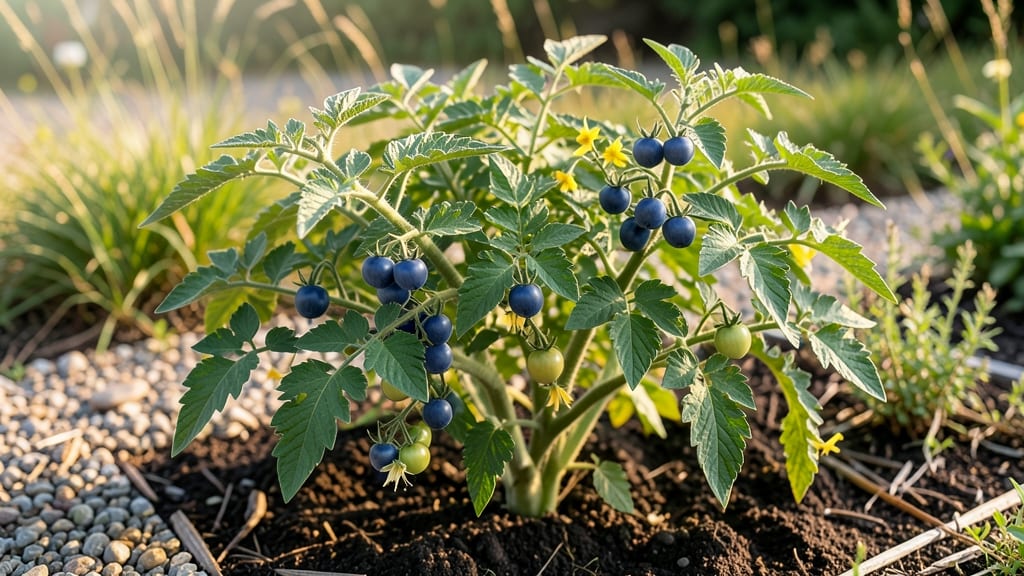
Those tiny blue berries on your tomatoes aren't berries at all—they're tiny, undeveloped fruit caused by stress. 🌱 After years of seeing this happen to my heirloom tomatoes, I learned the real culprits: temperature swings, poor pollination, and hidden nutrient issues.
The good news? Fixing it is easier than you think, and your plants can bounce back with a few targeted adjustments.
Most gardeners blame weather, but the truth is often simpler: lack of pollinators (like bees) or irregular watering that confuses the plant. I’ve seen tomatoes go from blighted to bursting with fruit just by adding a bee-friendly border and watering consistently at the roots.
Even nutrient deficiencies—like too little calcium or boron—can trigger this, so a soil test might be your best friend.
Once you identify the root cause, the fixes are straightforward. Prune strategically to improve airflow, mulch heavily to stabilize soil moisture, and hand-pollinate stubborn flowers with a soft brush.
Within weeks, you’ll see normal-sized tomatoes forming instead of those frustrating little blue specks. The key is catching it early—don’t wait until half your plants are affected.
For next season, choose determinate varieties (they’re more resilient) and plant in cooler microclimates to avoid heat stress. A little prevention goes a long way, and your harvest will thank you. Let’s turn those blue berries into juicy, vine-ripened tomatoes—the way they’re meant to be.
The Hidden Triggers Behind Tiny Tomatoes
If you’ve ever spotted tiny, blue-tinged berries on your tomato plants instead of plump, red fruits, you’re not alone. This quirky phenomenon—often called "tomato blue berries"—can frustrate even the most seasoned gardeners.
But why does it happen? Let’s break down the science behind these unexpected little surprises and how to avoid them.
Tomatoes are temperature-sensitive, and when they experience sudden shifts—especially cold nights or hot days—they can trigger stress responses.
If young tomato flowers are exposed to temperatures below 50°F (10°C) or above 90°F (32°C), their growth can stall, leading to tiny, misshapen fruits that may even turn blue or purple.
- 🔥 Hot Days: High heat disrupts pollen formation, preventing proper fertilization. Even if flowers form, the resulting fruits may stay small and fail to ripen normally.
- 🌬️ Cold Nights: Cold stress can cause flower drop or lead to "blind" tomatoes—fruits that start growing but never develop beyond a tiny, deformed berry.
- 💡 Pro Tip: Use row covers in spring or shade cloth during heatwaves to stabilize temperatures. Plant heat-tolerant varieties like 'Solar Fire' or 'Heatmaster' if your climate swings wildly.
Tomatoes need consistent moisture—too little or too much water at the wrong time can sabotage fruit development. Blue berries often appear when plants experience drought stress or sudden watering changes.
- 🚰 Underwatering: When soil dries out, the plant prioritizes water for new growth over existing fruit. This can cause flowers to abort or fruits to stay tiny and underdeveloped.
- 💦 Overwatering or Inconsistent Watering: Uneven moisture levels lead to cellular stress, causing fruits to split, crack, or remain stunted. Blue-tinged berries may also appear if the plant struggles to absorb nutrients properly.
- 💡 Pro Tip: Water deeply 1–2 times per week (depending on climate) and aim for 1–1.5 inches of water per week. Use drip irrigation or soaker hoses to keep moisture levels steady at the roots.
Tomatoes are self-pollinating, but they still rely on vibrations or wind to transfer pollen from anther to stigma. If pollination fails, flowers may drop, or fruits may develop into small, seedless, or malformed berries—sometimes with a bluish tint due to stress compounds.
- 🐝 Lack of Bees or Wind: In greenhouses or indoor grows, humidity and still air can prevent pollen from reaching the stigma. Even outdoors, pesticide use (like neonicotinoids) can repel pollinators.
- 🌪️ Poor Airflow: Dense foliage or crowded plants trap humidity, leading to pollen clumping and failed fertilization.
- 💡 Pro Tip:
- Hand-pollinate by gently shaking plants in the morning when flowers are open.
- Use a small paintbrush to transfer pollen from one flower to another.
- Avoid broad-spectrum pesticides—opt for bee-friendly sprays like neem oil or insecticidal soap.
Tomatoes are heavy feeders, and a deficiency in key nutrients can lead to stunted growth, including tiny blue berries. The most critical culprits?
| Nutrient | Signs of Deficiency | Fix It |
|---|---|---|
| Calcium (Ca) | Tiny, deformed fruits with blossom-end rot-like symptoms (brown spots) or blue-green tinges. | Apply crushed eggshells or use a calcium nitrate supplement. |
| Phosphorus (P) | Slow root/fruit development, purple-blue stems, and stunted berries. | Add bone meal or a balanced fertilizer (10-10-10) at planting. |
| Potassium (K) | Weak stems, yellowing leaves (especially edges), and small, weak fruits. | Use wood ash or a potassium-rich fertilizer like kelp meal. |
💡 Pro Tip: Test your soil with a home kit or send a sample to a lab. Tomatoes thrive in pH 6.0–6.8—adjust with lime (to raise pH) or sulfur (to lower it).
While blue berries might seem like a garden mystery, they’re usually a red flag (pun intended) for stress. By addressing temperature, water, pollination, and nutrients, you’ll be well on your way to growing plump, juicy tomatoes—not tiny blue curiosities!
Revive Your Salsa Fixes
Got unexpected blue berries in your tomato salsa? 😬 Don’t toss it just yet! Here’s how to troubleshoot and salvage your dish—whether it’s a color quirk, texture issue, or flavor misstep.
Fix: The blue or purplish tint in tomatoes (especially when blended) often signals overripeness or bruising. Here’s how to neutralize it:
- 🍳 Balance with Acid
- Add a splash of lemon juice or lime zest (1–2 tbsp) to brighten the color and cut the funk.
- Pro tip: 💡 A pinch of salt (½ tsp) enhances flavor while masking off-notes.
- 👨🍳 Strain for Clarity
- If the salsa is too pulpy, strain it through a fine-mesh sieve to remove oxidized or discolored bits.
- Bonus: 🌡️ Chill the strained salsa for 30 minutes—cold temperatures can temporarily "reset" the color.
- ⏰ Time It Right
- Use the salsa within 24 hours of making it. Overripe tomatoes darken faster when exposed to air.
Prevention:
- Pick tomatoes fully ripe but firm (avoid squishy ones).
- Store cut tomatoes in an airtight container with a paper towel to absorb moisture.
Fix: If your blueberries are losing their snap and blending into a gloopy mess, try these tricks:
- 🔪 Adjust Texture with Structure
- Toss in diced cucumber, jalapeño, or red onion (¼ cup) for crunch and acidity.
- Pro tip: ✨ For a jam-like consistency, simmer the salsa for 5–7 minutes to thicken naturally.
- 🍎 Boost with Starch (Optional)
- Stir in 1 tsp cornstarch mixed with water to bind the salsa without altering flavor.
- Alternative: 🥗 Blend in avocado (¼ cup) for creaminess and healthy fats.
- 📊 Store Smarter
- Keep salsa in the fridge for up to 5 days (not room temp). Freeze extras in ice cube trays for later use.
Prevention:
- Use firm, slightly underripe blueberries (they hold up better in salsa).
- Add them last to the recipe to avoid overmashing.
Fix: A salsa with blueberries can swing from cloyingly sweet to overly tart. Rebalance it fast:
| Problem | Solution | Prevention Tip |
|---|---|---|
| Too sweet | Add 1 tbsp apple cider vinegar or smoked paprika (½ tsp) for depth. | Use tart blueberries (like Wild or Tartarian varieties). |
| Too sour | Sweeten with honey or agave (1 tsp) or roasted red peppers. | Taste as you go—add blueberries gradually. |
| Bland overall | Boost with cilantro, garlic, or lime zest. | Toast spices (cumin, chili powder) before adding. |
Pro Tip: 🎯 Taste in stages! Mix blueberries and tomatoes separately first, then combine.
If the color or texture is still wonky, get creative:
- 🥗 Taco dip: Mix with Greek yogurt and serve with tortilla chips.
- 🍕 Pizza topping: Spread on flatbread with cheese and bake.
- 🍲 Stir-fry sauce: Thin with broth and toss with grilled chicken or fish.
Frequently asked questions
Why do my tomato plants produce tiny blue berries instead of normal fruit?
Those tiny blue berries are a sign of stress—usually from temperature swings (below 50°F or above 90°F), poor pollination, or nutrient deficiencies. The plant aborts normal fruit development when conditions aren't ideal, resulting in these underdeveloped berries.
Can I still harvest and eat tomatoes with blue berries?
Yes! While they won't be as flavorful, the berries are still edible. They're often tart and seedy, so use them in sauces, soups, or salsas where texture isn't critical. Just avoid expecting full-sized tomatoes from those particular flowers.
How can I prevent blue berries in my tomato plants next season?
Start with consistent watering (1–1.5 inches per week) and mulch heavily to stabilize soil moisture. Choose heat-tolerant varieties like 'Solar Fire' and use row covers for early spring protection. Hand-pollinate flowers with a soft brush if bees are scarce.
Are blue berries contagious to other tomato plants?
No, they're not contagious—they're a symptom, not a disease. However, if the issue stems from a viral infection (like tomato bushy stunt virus), you should remove affected plants immediately to prevent spread. Most cases are environmental, so fixing those conditions resolves the problem.
What nutrients should I add to fix this problem?
Start with a soil test to identify deficiencies. For common issues: Calcium (crushed eggshells), phosphorus (bone meal), and potassium (wood ash) are key. Use a balanced fertilizer (10-10-10) at planting time for overall health.