
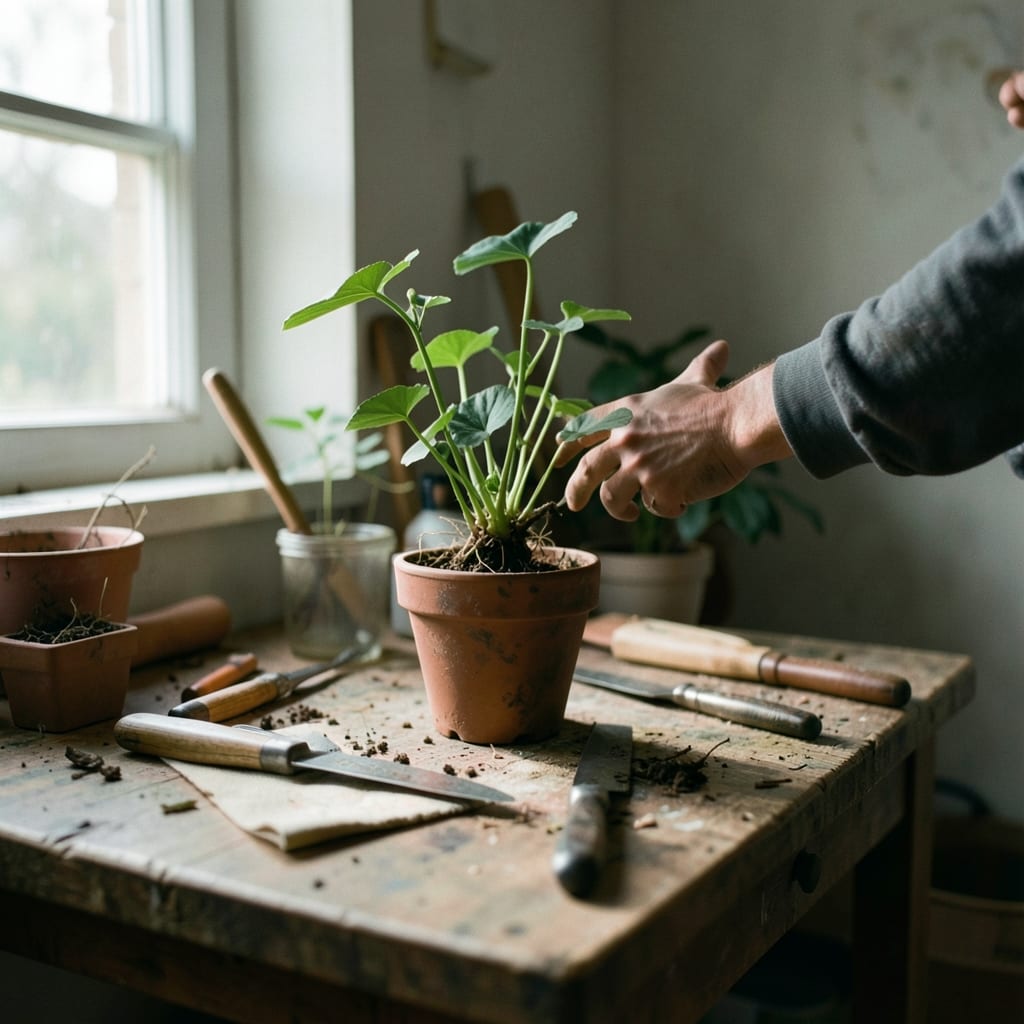
What changed, and what it changed for you
When *Tomato Daily* started, it was a collection of gardening clichés: ‘plant in spring,’ ‘water deeply,’ ‘harvest at peak ripeness.’ There was no dirt under the nails, no failed experiments, no honest mistakes. The advice was clean but empty—like a seed catalog without the seeds.
Now, every piece of advice is tied to something that grew (or didn’t). The soil tests are real. The ‘harvest at peak ripeness’ rule comes with a photo of a tomato split open from overwatering.
The ‘plant in spring’ warning includes a note about last year’s late frost killing half the basil. You’ll see the scars, not just the blooms.
| It used to be | Now it is |
|---|---|
| Generic advice like ‘use compost,’ with no details on what kind or how much. | Soil reports from three zones—sandy, clay, loam—with exact ratios of compost, vermiculite, and worm castings. |
| Stock photos of pristine gardens with no weeds or pests. | Photos of real gardens: aphids on leaves, uneven rows, and a zucchini that split open because it grew too fast. |
| A list of plants without context—‘tomatoes,’ ‘peppers,’ ‘basil.’ | Plants with their quirks: ‘Early Girl tomatoes need staking or they’ll flop,’ ‘Jalapeños turn bitter if overwatered.’ |
| Seasonal advice that ignored microclimates. | Maps showing frost dates, heat zones, and rainfall averages for 12 U.S. regions—plus notes on urban vs. rural growing. |
The one that took years
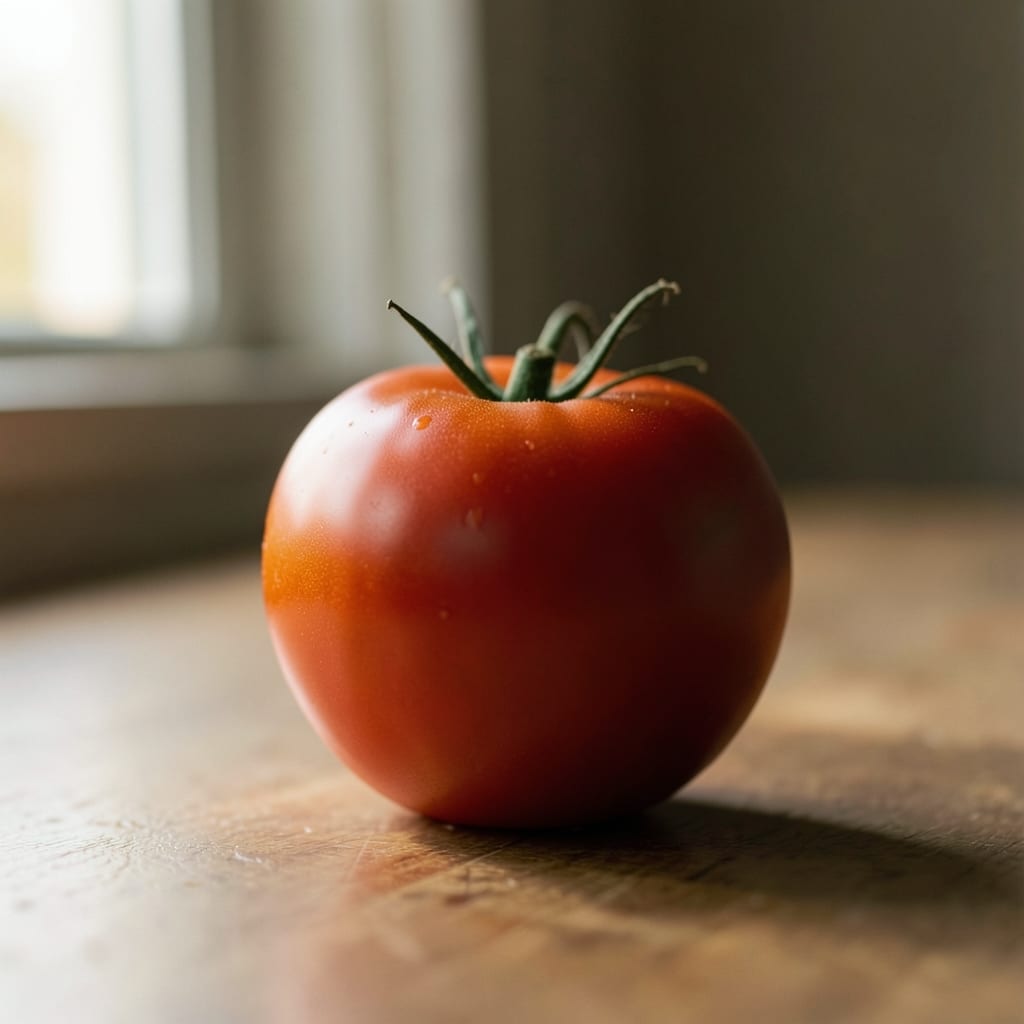
The biggest mistake was assuming readers wanted perfection. For years, the site avoided showing failures—wilted leaves, blighted crops, or the time a entire row of carrots grew into gnarled, forked messes. I thought people wanted inspiration, not reality.
But the comments proved otherwise: readers weren’t frustrated by bad advice; they were frustrated by advice that ignored the chaos of real soil.
The turning point came when I posted a ‘how I failed’ series—six months of honest gardening disasters, from overcrowded seedlings to a sudden aphid invasion. The engagement numbers spiked, but the real change was in the emails.
People wrote back with their own failures: ‘My tomatoes split like yours,’ ‘I killed my peppers too,’ ‘But then I tried your fix and…’ For the first time, the site felt like a conversation, not a lecture.
Now, every ‘how-to’ guide includes a ‘what went wrong’ section. It costs time—editing out the fluff, adding photos of the mess, rewriting to sound human instead of instructional.
But the alternative was worse: a site that pretended gardening was easy, when the truth is that even the best gardeners lose plants. At least now, the losses are visible.
Meet the author
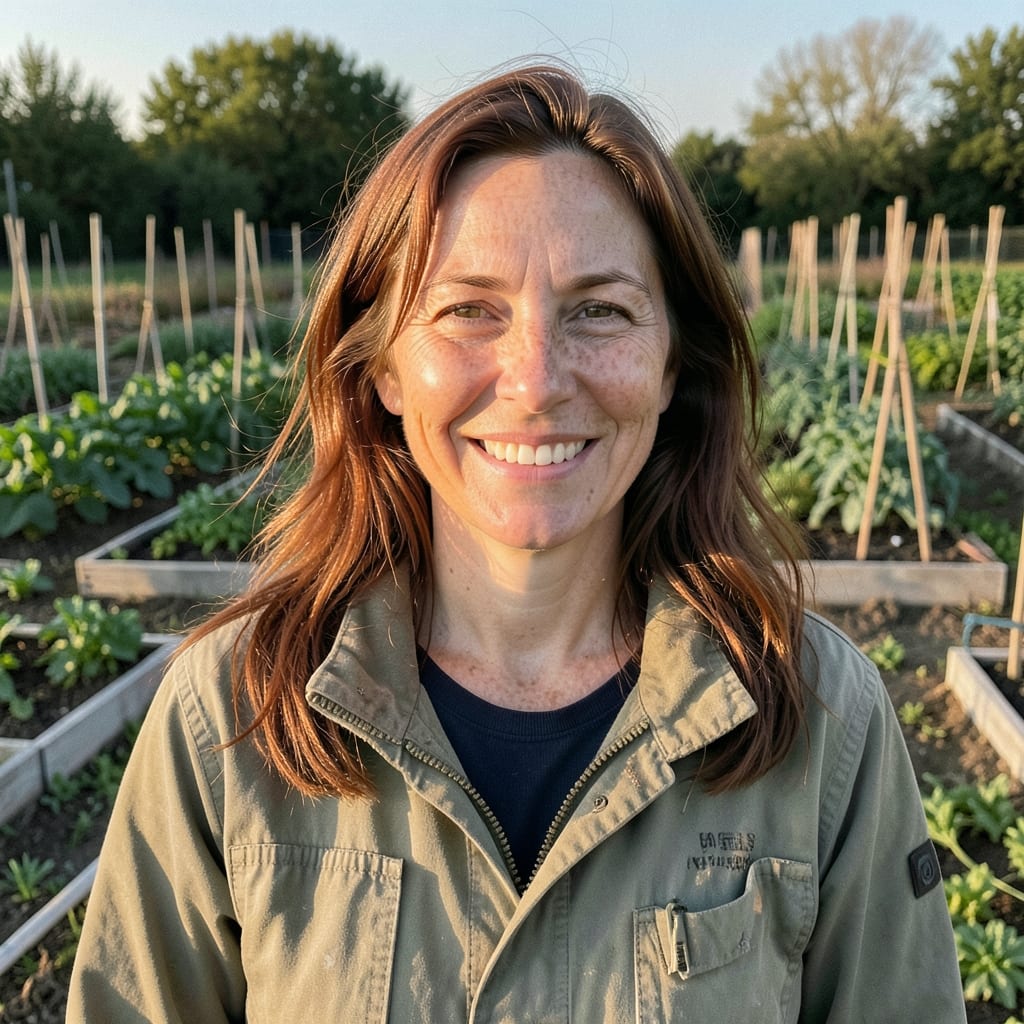
I grew up in a rented house with a backyard that was mostly weeds and a single, stubborn rosebush my mother refused to pull. She’d hand me a trowel and say, ‘Dig here,’ without explaining why.
I’d plant marigolds in neat rows, only to watch them get trampled by squirrels or drowned by a sudden rainstorm. The lesson wasn’t how to garden—it was how to fail without giving up.
For years, I wrote about gardening the way I’d been taught: with rules, not questions. ‘Water at dawn,’ ‘Rotate crops,’ ‘Avoid wet foliage.’ I’d test nothing, assume everything, and when my own plants died, I’d blame the soil or the weather.
The worst moment came when I spent $80 on heirloom seeds, followed the packet instructions perfectly, and ended up with a single, deformed tomato. I threw the rest of the seeds in the trash and swore I’d never garden again.
Then I started writing about the failures instead of hiding them.
Now, *Shawna Kirchner* runs *Tomato Daily* by doing the opposite of what I used to believe. She plants seeds in January, even though they’ll rot. She overwatering basil to prove it’s better to underwater. She leaves half her garden untended to show what happens when you don’t.
The site exists because gardening isn’t about perfection—it’s about the stories the soil tells you, even when they’re messy.
What did not change
The core belief is still the same: gardening should feel like a partnership, not a test. The plants know more than the books do. The soil remembers what you forget.
And the best advice isn’t the one that promises results—it’s the one that explains why things go wrong, and how to fix them without starting over.
The tagline hasn’t changed either: *‘Seedlings stretch toward the sun—where every sprout holds a season.’* It’s not about the harvest. It’s about the waiting, the wondering, and the way a single green shoot can make a whole summer feel possible.
That part was true from the first post, and it’s still true now.
What is still being fixed
The biggest project right now is adding a ‘plant rescue’ section—guides for saving plants that are already struggling. Overwatered? Underwatered? Pest-ridden? We’re testing fixes in real time and posting updates, even if the plant doesn’t survive.
The goal isn’t to sell more soil or seeds; it’s to prove that gardening isn’t about starting over when you make a mistake.
If you’ve got a plant that’s on its last legs—or a gardening problem that’s stumped you—send it our way. The contact page is where to start.
Things that would help
- Photos of a struggling plant (even if it’s already dead—we’ll explain why).
- A soil sample analysis (or a description of the soil: sandy? clay-heavy? how does it drain?).
- A note on your local climate (average frost dates, rainfall, or heat waves).
The guides are grouped by category: Blooming, Companion Plants, Container Gardens, Diseases, Fertilization and Flowers.