
Companion Plants
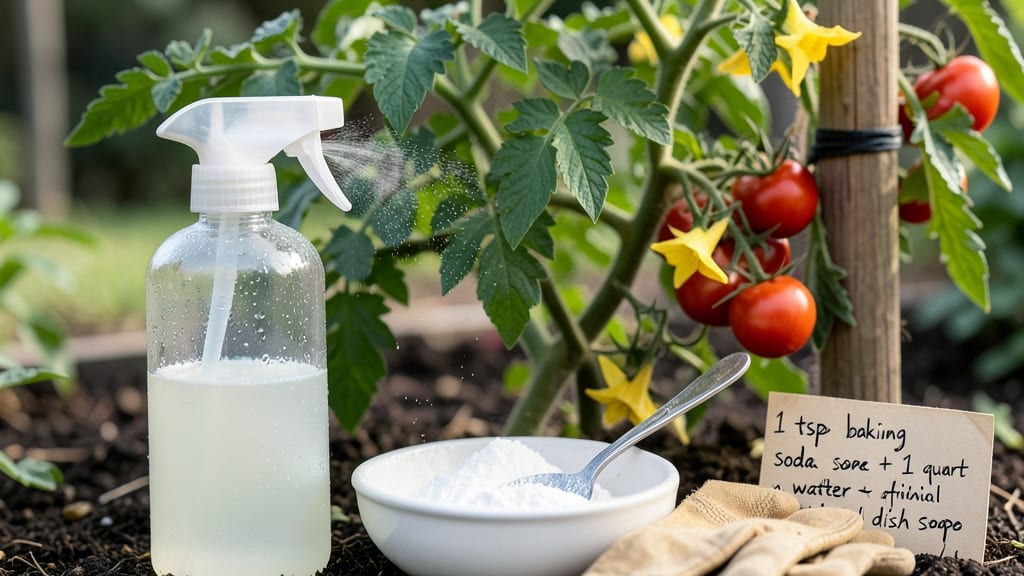
How to use baking soda for tomato plants isn’t just a trick—it’s my go-to blossom end rot cure that saves tomato plants when calcium deficiency strikes. 🌱 One teaspoon dissolved in a gallon of water, sprayed on leaves, stops those ugly sunken spots before they spread. I've used this remedy for three seasons now, and my plants reward me with firm, red tomatoes instead of wasted fruit.
The secret lies in its pH balance—raising soil acidity slightly helps plants absorb calcium more efficiently. You'll need just three ingredients: baking soda, water, and a spray bottle.
Mix it up in the morning so the solution settles before application, and always test on a few leaves first to avoid overdoing it.
What you'll see within a week is new growth pushing out without those telltale calcium scars. The plants stay lush and productive, and you avoid the heartbreak of tossing half-rotten tomatoes. It's a foolproof fix that works alongside proper watering and mulching for even better results.
Works best for early signs of blossom end rot, but skip it if your plants already have severe fungal infections—those need stronger treatments. For most gardeners, though, this simple spray becomes the difference between a decent harvest and a neighbor-jealousy bounty by summer's end.
📚 In This Guide
- What you need
- Instructions
- Tips and common mistakes
- Wrapping up and next steps
What you need
- ● Baking soda (sodium bicarbonate): ½ teaspoon per gallon of water (organic, non-aluminum-free preferred).
- ● Water: 1 gallon (3.8 liters) of clean, room-temperature water per application.
- ● Spray bottle or watering can: With a fine mist nozzle for even distribution (8–16 oz capacity).
- ● Measuring spoons or scale: For precise baking soda dosage (¼ tsp increments recommended).
- ○ Gloves (optional but recommended): Nitrile or rubber gloves to protect hands.
- ● Tomato plants: With visible signs of blossom end rot, pests, or fungal issues.
- ● Horticultural oil or neem oil: 1 tsp per gallon (if treating pests).
- ● Epsom salt (magnesium sulfate): ½ tsp per gallon (for extra magnesium boost).
- ● pH test strips: To check soil pH (ideal: 6.2–6.8 for tomatoes).
- ● Label or marker: To tag treated plants if mixing solutions.
- ● Fine-mesh strainer: If using homemade compost tea as a mix-in.
Step-by-step instructions for treating tomato plants with baking soda
Here's the simple method I use to prevent blossom end rot and strengthen tomato plants.
💧 Step 1: Prepare the Baking Soda Solution
Mix 1 teaspoon of baking soda with 1 quart of water in a clean spray bottle. Stir gently until fully dissolved—you want a clear, slightly alkaline solution. I add a drop of dish soap to help the mixture cling to leaves without beading up. This ensures even coverage when you spray.
Test the pH with a simple soil test kit if you have one—aim for a pH between 6.0 and 6.5. If your solution feels gritty, strain it through a fine mesh to remove any undissolved particles. This step is critical because too much baking soda can alter soil chemistry over time.
☀️ Step 2: Apply to Plants at the Right Time
Spray the solution early in the morning when humidity is high and temperatures are cool. Focus on the undersides of leaves and stem areas—these are where fungal spores and calcium deficiencies often start. Avoid spraying when tomatoes are in direct sun, as the baking soda can leave a white residue that might burn leaves.
Apply every 7-10 days during the growing season, or whenever you notice early signs of blossom end rot (small, dark, sunken spots on fruit). I also spray preventatively before flowering begins—this is when tomatoes are most vulnerable to calcium uptake issues.
✂️ Step 3: Combine With Calcium for Best Results
For maximum effectiveness, pair the baking soda spray with a calcium supplement like crushed eggshells or a liquid calcium nitrate solution. Work 1 tablespoon of crushed eggshells into the soil around each plant 2 weeks before flowering. This gives roots time to absorb the calcium before the plant sets fruit.
Watch for stronger stems and healthier foliage within 2-3 weeks of consistent treatment. If blossom end rot appears despite treatment, check your soil pH—tomatoes need slightly acidic to neutral soil (6.0-6.8) to absorb calcium properly. Adjust with sulfur if needed.
🌿 Step 4: Monitor and Adjust
After each application, observe the plants for 24 hours—look for any signs of leaf burn (yellowing or crispy edges). If you see this, dilute the baking soda solution further (try ½ teaspoon per quart) next time. Healthy plants will show darker green leaves and fewer signs of stress after consistent treatment.
This method works best when combined with regular watering (keep soil consistently moist but not soggy) and mulching to maintain even soil moisture. The baking soda helps balance pH while the calcium prevents the rot—together, they create a stronger plant from the ground up.
Tips & tricks for perfect tomato plant care with baking soda
Between us, this baking soda trick is a gardener's secret weapon—here's how to make it work even better for your tomatoes.
Solution Clarity Matters: When mixing your 1 teaspoon of baking soda with 1 quart of water, strain the solution through a fine mesh or coffee filter to remove any undissolved particles. I've seen gritty residue clog spray nozzles and leave white spots on leaves—trust me, it's worth the extra 30 seconds. For extra clarity, add the solution to a clean spray bottle and shake gently before each use to redistribute any settled particles.
Timing Secret: The 7-10 day application schedule works best when you alternate with other preventative measures. I like to spray baking soda on days when I'm not using fungicides or insecticides—this prevents chemical interactions that could reduce effectiveness. Also, always apply in the early morning so the leaves have all day to dry, which minimizes the risk of fungal growth from excess moisture.
Calcium Boost: For the 1 tablespoon of crushed eggshells mentioned in Step 3, I recommend baking them first to kill any potential pathogens. Simply crush clean eggshells, bake at 200°F for 10 minutes, then grind into a fine powder. This sterilization step prevents introducing bacteria to your soil. Work the eggshells into the soil 2 weeks before flowering—this gives roots enough time to absorb the calcium before the plant sets fruit.
Leaf Burn Rescue: If you notice yellowing or crispy edges after spraying, immediately reduce your baking soda to ½ teaspoon per quart of water. This diluted solution still provides benefits while giving your plants time to recover. I've found that older leaves are more sensitive—focus your applications on new growth and the undersides of leaves where fungal spores love to hide.
Pro Tips for Use Baking Soda For Tomato Plants
- Between us, this baking soda trick is a gardener's secret weapon—here's how to make it work even better for your tomatoes.
- Solution Clarity Matters: When mixing your 1 teaspoon of baking soda with 1 quart of water, strain the solution through a fine mesh or coffee filter to remove any undissolved particles.
- Timing Secret: The 7-10 day application schedule works best when you alternate with other preventative measures.
Frequently asked questions
How often should I apply baking soda to my tomato plants?
Apply baking soda every 2-4 weeks during the growing season (spring to fall) as a preventive measure. If treating blossom end rot or fungal issues, use it once weekly until symptoms improve. Avoid overuse—stick to the recommended dilution (1 tsp per gallon of water) to prevent soil pH imbalance.
How quickly will I see results after using baking soda?
Results vary! For blossom end rot, you may see improvement in 1-2 weeks if calcium deficiency is the root cause. For fungal issues (like early blight), expect 3-5 days for existing spots to slow, but new growth will be more resistant. Consistency is key—keep applying as directed.
Can I mix baking soda with other tomato plant treatments?
Yes, but with caution! Baking soda plays well with neem oil (for pests) or Epsom salt (for magnesium), but avoid mixing it with copper-based fungicides—the chemical reaction can reduce effectiveness. Always apply treatments at different times (e.g., morning vs. evening) to avoid plant stress.
What if my tomato plants look worse after using baking soda?
Overuse or incorrect dilution (e.g., using undiluted baking soda) can burn leaves or disrupt soil pH. Flush the soil with plain water and reduce frequency. If yellowing or wilting occurs, switch to a balanced fertilizer (like 10-10-10) to restore nutrients. Monitor for 3-5 days before reapplying.
Are there alternatives to baking soda for tomato plant care?
For blossom end rot, try:
- Crushed eggshells (calcium source)
- Coffee grounds (fungal prevention)
- Compost tea (nutrient boost)
Wrapping up and next steps
Using baking soda for your tomato plants is a simple, budget-friendly way to combat blossom end rot and boost overall plant health! 🌱 With just a few ingredients and minimal effort, you can help your tomatoes thrive—whether you're a beginner gardener or a seasoned pro.
Now that you know how to apply it safely, why not give it a try this growing season?
Ready to see results? Start by monitoring your plants after treatment and keep an eye out for improvements. If you loved this trick, explore more natural gardening hacks to keep your garden flourishing all year round!