
Plants
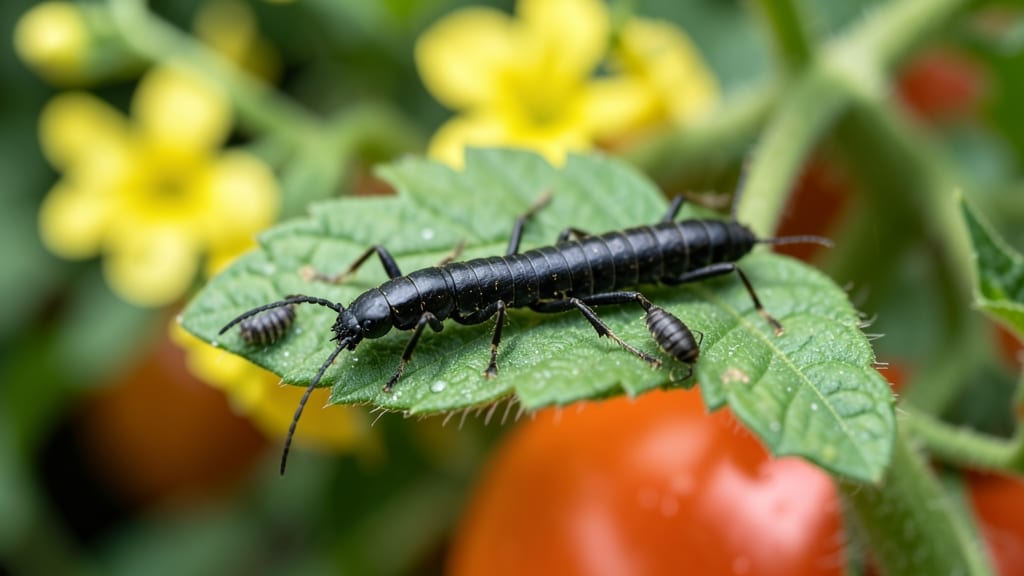
Black bugs on tomato plants mean instant panic—until you know which ones are harmless and which ones will strip your plants bare. 🌱 I’ve seen everything from tiny aphids to massive hornworms devouring my tomatoes, and the key to saving your harvest is acting fast with the right approach.
Most black bugs aren’t actually a threat: some are beneficial predators, while others are just passing through. But the real troublemakers—like stink bugs or tomato hornworms—can defoliate a plant in days. The good news? You don’t need harsh chemicals to stop them.
A few targeted methods (like handpicking or neem oil) work just as well. By the end of this guide, you’ll spot the difference between a helpful beetle and a destructive pest, remove them without harming your plants, and keep your tomatoes thriving all season.
No more guesswork—just actionable steps that actually work. Whether you’re dealing with a sudden infestation or just want to prevent one, these strategies will give your tomato plants the protection they need. Let’s get started!
Root Causes Of Black Invaders
When you spot tiny black bugs swarming your tomato plants, it’s usually a sign of nature’s uninvited guests—each with its own reasons for crashing your garden party. Understanding why these pests show up is the first step to kicking them out for good.
Below, we break down the science behind their behavior, from environmental triggers to plant weaknesses that make your tomatoes look like an all-you-can-eat buffet. 🍅🐞
Tomatoes thrive in warmth, but when soil temperatures climb too high—especially above 85°F (29°C)—they send out distress signals. These include:
- Sugar-rich sap: Heat stress causes plants to produce more sugars in their leaves and stems, making them sweeter (and more attractive) to pests like aphids or stink bugs.
- Weakened defenses: High temperatures reduce the plant’s ability to produce protective compounds, leaving it vulnerable to attacks.
- Drought-like conditions: Even if you’re watering, uneven moisture (e.g., surface watering that doesn’t reach roots) mimics drought stress, tricking pests into thinking the plant is struggling.
Actionable fix: Mulch with straw or wood chips to regulate soil temperature, and water deeply at the base early in the morning to avoid evaporation.
Black bugs—especially fungus gnats or thrips—love hiding in dense, humid environments where plants are packed too closely together. Here’s why:
- Moisture traps: Crowded plants create microclimates with high humidity, perfect for pests that thrive in damp conditions.
- Shade stress: When plants compete for sunlight, they grow leggy and weak, producing less chlorophyll and more tender growth—ideal for pests to feed on.
- Harboring spots: Debris, fallen leaves, or unpruned branches provide shelter for eggs and larvae, letting populations explode.
Actionable fix: Space tomato plants 18–24 inches apart, prune regularly to improve airflow, and remove weeds/debris within a 2-foot radius.
Tomatoes that lack key nutrients become easy targets. Black bugs like hornworms or whiteflies zero in on plants that are:
- Nitrogen-deficient: Yellowing leaves (chlorosis) signal low nitrogen, but pests exploit the plant’s weakened state to feed on new growth.
- Phosphorus-starved: Poor root development (seen as stunted growth) makes plants less resilient to stress—and more appealing to sap-sucking insects.
- Potassium-deficient: Brown leaf edges or weak stems mean the plant can’t fight off pests as effectively.
Actionable fix: Test your soil and amend with a balanced fertilizer (e.g., 10-10-10). For organic growers, use compost tea or banana peels (for potassium) buried near roots.
Many black bugs—like stink bugs or colorado potato beetles—overwinter in garden debris, soil, or nearby weeds. If you didn’t clean up last year, they’re already staging an invasion this season:
- Eggs in soil: Some pests (e.g., aphids) lay eggs in the top 2 inches of soil, which hatch when temperatures rise.
- Weed hosts: Plants like nightshade or dandelions act as pest reservoirs, letting populations build before moving to tomatoes.
- Hibernating adults: Bugs like harlequin bugs hide in leaf litter or under mulch, emerging when tomato plants are young and tender.
Actionable fix: In late fall, till the soil to disrupt egg-laying layers, and remove weeds within a 10-foot radius of your tomato patch.
Pro tip: 💡 Monitor your plants weekly—early detection (like sticky honeydew trails or chewed leaves) lets you act before bugs become a full-blown infestation.
Quick Fixes for Tomato Plant Invaders
Black bugs on your tomato plants? Don’t panic—these pests are manageable with the right approach! Below, we’ve mapped out practical solutions for each common culprit, from hand-picking to organic sprays, plus prevention tips to keep your plants thriving. Let’s tackle these invaders step by step.
Stink bugs release a foul odor when threatened, but they’re easy to remove with a few targeted actions.
👨🍳 Hand-Pick & Trap Them - 🔪 Early Morning Hunt: Stink bugs are sluggish in cool temps.
Wear gloves and crush them between your fingers or drop them into soapy water. - 🍎 Yellow Sticky Traps: Place yellow cards coated with petroleum jelly near plants to lure and trap them.
🥘 Organic Sprays for Defense
- 🌿 Neem Oil Spray: Mix 1 tbsp neem oil + 1 tsp mild soap in 1 quart of water. Spray evenly on leaves (avoid flowers to protect pollinators).
- 🌡️ Diatomaceous Earth: Sprinkle food-grade DE around the base of plants.
It dehydrates bugs but is safe for humans and pets.
💡 Prevention Pro Tips
- 🎯 Row Covers: Use lightweight fabric to block adults from laying eggs.
- 🌱 Companion Planting: Interplant with basil, marigolds, or garlic—their strong scents deter stink bugs.
Tiny, clustered aphids suck sap and weaken plants. Act fast with these high-impact fixes.
💦 Water Blast Attack
- 🔥 Strong Stream: Use a hose to knock them off leaves. Repeat every 2–3 days until gone.
👨🍳 Soap & Oil Combo Spray - 🥘 Homemade Recipe: 1 tbsp castile soap + 1 tbsp vegetable oil + 1 quart water.
Shake well and spray directly on aphids (test on a small leaf first). - 🌿 Commercial Options: Insecticidal soap or horticultural oil work too—reapply after rain.
🐞 Beneficial Bugs to the Rescue
- 🌱 Ladybugs & Lacewings: Release 25–50 ladybugs per plant or attract them with dill or fennel.
- 🕷️ Spiders: They’re natural aphid predators—let them thrive!
💡 Prevention Pro Tips
- 🌡️ Healthy Plants: Overcrowded or stressed plants attract aphids. Prune for airflow and fertilize with balanced NPK.
- 🎯 Reflective Mulch: Use aluminum foil or silver plastic mulch to confuse aphids with glare.
These tiny black jumpers skeletonize leaves, leaving behind a lacy mess. Here’s how to shut them down.
🔪 Physical Barriers
- 🥘 Row Covers: Use fine mesh (like Agribon) to block adults. Secure edges tightly.
- 🌱 Collars: Bury cardboard collars around young plants to prevent larvae from burrowing.
🥘 Organic Sprays
- 🌿 Neem Oil + Kaolin Clay: Mix 1 tbsp neem oil + 1 tbsp clay in 1 gallon water. Spray to repel and suffocate beetles.
- 🍎 Beer Trap: Fill a shallow dish with beer—flea beetles drown in it.
Refresh every 2 days.
💡 Prevention Pro Tips
- 🌱 Early Planting: Start tomatoes after the last frost when beetles are less active.
- 🎯 Trap Crops: Plant radishes or mustard greens nearby to lure beetles away from tomatoes.
Once you’ve dealt with the infestation, lock in long-term protection with these habits:
| Tactic | How to Do It | Why It Works |
|---|---|---|
| 🌱 Crop Rotation | Move tomatoes to a new spot yearly. | Disrupts pest life cycles. |
| 🌡️ Healthy Soil | Add compost and mycorrhizal fungi. | Strong plants resist pests better. |
| 🎯 Weed Control | Remove weeds near plants. | Reduces hiding spots for bugs. |
| 🕷️ Encourage Predators | Plant dill, alyssum, or cosmos. | Attracts birds, lacewings, and spiders. |
Final Thought: Most tomato pests are easy to outsmart with a mix of manual removal, organic sprays, and smart gardening. Stay vigilant, and your plants will reward you with juicy, pest-free tomatoes all season! 🍅✨
Frequently asked questions about black bugs on tomato plants
Are all black bugs on tomato plants harmful?
Not at all! Many black bugs are actually beneficial predators. Lady beetles (ladybugs) and ground beetles eat aphids and other pests, while some black flies are just passing through. Only remove bugs that are actively damaging leaves or fruits—like stink bugs or tomato hornworms.
How do I tell if tiny black bugs are aphids or beneficial beetles?
Check their size and behavior: aphids are soft-bodied, clustered, and leave sticky residue, while beneficial beetles have hard shells and move quickly. Hold a magnifying glass over them—aphids are oval-shaped with tiny legs, while lady beetles have spotted backs and chew leaves.
Can I use soap spray on tomato plants with black bugs?
Yes, but use mild castile soap mixed with water (1 tbsp soap per quart). Spray directly on the bugs—avoid flowers to protect pollinators. Reapply every 2–3 days until the infestation clears. Test on a small leaf first to check for sensitivity.
Why do black bugs keep coming back after I treat them?
Pests often return because their eggs remain hidden in soil, plant debris, or nearby weeds. Till the soil to disrupt egg-laying layers, remove all plant debris within a 2-foot radius, and repeat treatments every 5–7 days until new bugs stop appearing.
Are there any black bugs that help my tomato plants?
Ground beetles, lacewings, and predatory stink bugs (yes, some stink bugs are good!) all hunt harmful pests. Leave a few leaf litter patches near plants to attract these natural allies—just avoid letting them overrun your garden.