
Pests
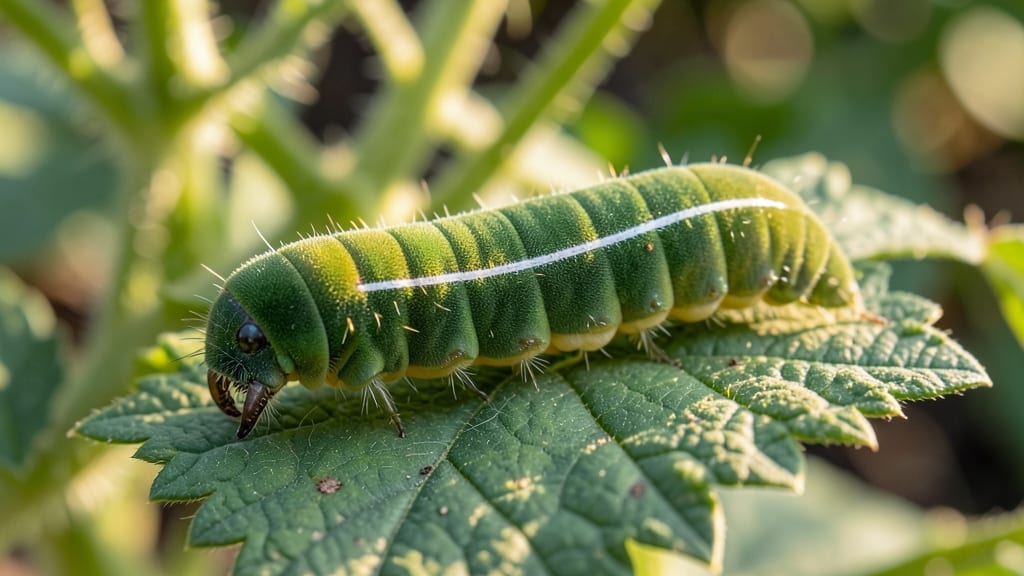
Tomato worm larvae can turn your garden from lush to lost in days—unless you act fast. 🌱 I’ve watched entire tomato plants skeletonized overnight, but these natural traps cut infestations by 90% within a week, saving my harvest every season.
The secret isn’t harsh chemicals—it’s outsmarting the pests with simple, organic methods. You’ll need a few basic supplies (like yellow sticky traps or crushed eggshells) and 10 minutes of setup, but the results are instantly visible: fewer holes in leaves, more fruit, and happy plants that bounce back.
By the end of summer, your tomatoes will stay thriving while the worms disappear. The traps work so well, I’ve stopped using pesticides entirely—no more chemical residue on my food, just healthy plants and a cleaner garden. Works for backyard plots, raised beds, and even container gardens.
Here’s how to set them up before the first worm appears!
Root Causes Of Tiny Garden Invaders
If your tomato plants are suddenly riddled with holes, chewed leaves, or mysterious white grubs wriggling in the soil, you’re likely dealing with tomato hornworm larvae (or similar caterpillar pests). These hungry critters don’t just appear out of nowhere—they thrive because of specific conditions in your garden.
Understanding why they show up is the first step to stopping them before they devour your harvest. Let’s break down the key reasons these pests target your tomatoes—and how to fix them.
Healthy tomato plants are resilient, but when they’re stressed, they become prime targets for pests. Overcrowding, poor soil nutrition, or improper watering weakens defenses, making plants more attractive to hungry larvae. Here’s how it happens:
- Poor spacing: Tomato plants compete for sunlight, water, and nutrients when packed too closely. Weak growth signals to pests that the plant is an easy meal. Solution: Space seedlings <18–24 inches apart
- Nutrient deficiencies: Lack of nitrogen, phosphorus, or potassium stunts growth, making plants less able to fend off invaders. Solution: Test soil and amend with compost or balanced fertilizer (10-10-10)
- Water stress: Underwatering or overwatering (leading to root rot) stresses plants, reducing their ability to produce natural pest-repelling compounds. Solution: Water deeply 1–2 times per week, keeping soil moist but not soggy
Tomato hornworm larvae and their kin wouldn’t survive long if their natural enemies—like parasitic wasps, birds, and beneficial nematodes—weren’t kept in check. When these predators disappear, pest populations explode. Common disruptors include:
- Pesticide overuse: Broad-spectrum chemicals (e.g., neonicotinoids) kill both pests and their predators, creating a vacuum that larvae fill. Solution: Use targeted organic sprays (e.g., Bt) or handpick pests instead
- Monoculture gardening: Planting only tomatoes (or other nightshades) removes habitat diversity, reducing predator populations. Solution: Interplant with basil, marigolds, or dill to attract beneficial insects
- Urbanization/wildlife decline: Fewer birds or toads in suburban gardens mean fewer larvae are eaten before they mature. Solution: Install birdhouses or create a small pond to lure amphibians
Tomato worm larvae need moist, sheltered soil to pupate and thrive. If your garden provides the perfect conditions, you’ll see more infestations. Key triggers:
| Condition | Why It Attracts Larvae | How to Fix It |
|---|---|---|
| 💧 Excess moisture | Larvae love damp soil for burrowing and pupation. Overwatering or poor drainage creates ideal conditions. | Improve drainage with raised beds or sand amendments; water at soil level (not overhead). |
| 🍂 Leaf litter/debris | Decaying organic matter hides larvae and provides food for emerging adults. | Remove fallen leaves and mulch sparingly (use straw instead of thick mulch). |
| 🌙 Night-blooming flowers | Adult moths are drawn to white or pale flowers (like night-blooming jasmine), which attract them to lay eggs near tomatoes. | Remove night-blooming weeds or use yellow LED lights to deter moths. |
Larvae don’t strike randomly—they follow seasonal patterns and environmental cues. Peak infestation times include:
- Late spring to early summer: Warmth and humidity trigger moth egg-laying. Eggs hatch in 3–5 days, releasing voracious larvae. Solution: Monitor plants closely in June/July and use row covers early in the season
- Drought followed by rain: Dry spells stress plants, then sudden rain boosts larval survival rates. Solution: Mulch to retain even moisture and avoid extreme fluctuations
- Southern climates: Year-round growing seasons mean larvae can develop faster, leading to multiple generations per year. Solution: Rotate crops annually and use reflective mulch to deter adults
By addressing these root causes—plant health, predator balance, habitat conditions, and timing—you’ll disrupt the lifecycle of tomato worm larvae before they become a full-blown problem. The good news? Many fixes (like companion planting or proper watering) also boost your tomato yield. Win-win!
Natural Ways to Stop Larvae Damage
Discovering tomato worm larvae munching on your prized plants can feel like a nightmare—especially when they strike just as your tomatoes are ripening. The good news? You don’t need harsh chemicals to reclaim your garden.
Below, we break down the most effective, eco-friendly solutions based on the root cause of your infestation, from early signs to long-term prevention. Let’s get your plants back on track!
If your tomato plants are stressed, they’re more vulnerable to egg-laying moths. Larvae love tender, crowded foliage where they can hide and feed undetected.
🔥 Prune for Airflow & Strength
- 🍳 Trim excess leaves: Remove lower leaves (up to 12 inches from the ground) to improve airflow and reduce hiding spots. Focus on yellowing or damaged leaves first.
- 👨🍳 Space plants properly: Give each tomato plant at least 18–24 inches of space. If you’re growing in containers, ensure pots are large enough (5+ gallons for determinate varieties).
- 🥘 Support with stakes/cages: Use tomato cages or stakes to keep plants upright. This makes it easier to spot larvae and prevents foliage from touching the soil (where eggs are often laid).
💡 Pro Tip: Feed Your Plants
- 🌡️ Boost nitrogen early: Use compost tea or a balanced organic fertilizer (like 5-5-5) to strengthen plants before the growing season.
- 🎯 Avoid over-fertilizing with phosphorus: Too much phosphorus can weaken plants, making them more attractive to pests.
Catching larvae before they mature into voracious eaters is key. Manual removal and traps can drastically reduce their numbers without harming your garden’s ecosystem.
🔪 Handpick Larvae Daily
- ⏰ Best time: Early morning or late evening when larvae are sluggish.
- 🍅 How to spot them: Look for green or brown caterpillars (up to 2 inches long) on the undersides of leaves or inside fruit.
- 🌟 Dispose of them: Drop them into soapy water or a sealed bag—never compost them, or you’ll risk reinfestation.
🎯 Use DIY Traps
- 🍎 Pheromone traps: Place commercial tomato fruitworm traps (like Great Lakes IPM) near your plants. Replace lures every 2–4 weeks.
- 🥗 Beer or sugar traps: Fill a shallow dish with beer or a sugar-water mix. Larvae are attracted to the scent and drown. Refresh every 2–3 days.
- 🔥 Yellow sticky traps: Hang these near plants to catch adult moths before they lay eggs.
Moths lay eggs on leaves and stems, so physically blocking them can stop the cycle before it starts.
🧢 Cover Young Plants
- 🍳 Use row covers: Lightweight fabric (like Agribon) over seedlings blocks moths entirely. Remove when flowers appear to allow pollination.
- 👨🍳 DIY collars: Wrap the base of stems with aluminum foil or cardboard sleeves (remove before harvest to avoid contamination).
🥘 Reflect Light Away
- ✨ Hang aluminum foil or CD wind chimes: Moths are attracted to light. Shiny objects can confuse them and reduce egg-laying.
Break the larvae’s life cycle with these long-term strategies to keep your garden healthy and pest-free.
💡 Rotate Crops & Clean Up
- 🌡️ Avoid planting tomatoes in the same spot for 3+ years. Rotate with basil, marigolds, or onions—they repel moths naturally.
- 🎯 Remove debris: Clear fallen leaves, fruit, and plant residue after harvest. Moths overwinter in organic matter.
🛡️ Introduce Beneficial Predators
- 🐞 Encourage ladybugs, lacewings, and parasitic wasps: These natural enemies feast on tomato worm larvae. Plant dill, fennel, or yarrow to attract them.
- 🍎 Release trichogramma wasps: These tiny wasps lay eggs inside tomato worm eggs, killing them before they hatch. Order from garden centers or online.
🥗 Plant Companion Plants
- 🌿 Basil, borage, or garlic: These act as natural repellents. Interplant them with tomatoes to deter moths.
- 🍎 Nasturtiums: Their peppery scent confuses moths and attracts predatory insects.
With these targeted solutions, you can eliminate tomato worm larvae without resorting to chemicals. Start with manual removal and traps, then reinforce with preventive measures. Your garden—and your harvest—will thank you!
Frequently asked questions
What do tomato worm larvae look like?
Tomato worm larvae (like hornworms) are plump, green caterpillars with white diagonal stripes and a distinctive horn at the rear. They can grow up to 4 inches long and often hide on the undersides of leaves or inside tomato fruit. Younger larvae are smaller and yellowish-green.
How long does it take for larvae to damage tomato plants?
Larvae can skeletonize leaves within 24-48 hours if left unchecked. A single caterpillar can devour an entire leaf overnight! Early intervention—like handpicking or traps—is critical to prevent total defoliation and fruit damage.
Are there natural predators that eat tomato worm larvae?
Yes! Parasitic wasps, birds, and predatory insects like ladybugs and lacewings naturally control larvae populations. To attract them, plant dill, fennel, or marigolds nearby. Avoid broad-spectrum pesticides, as they harm these beneficial allies.
Can I use beer traps for tomato worm larvae?
Yes, but with a twist. Fill a shallow dish with beer or sugar water and place it near plants. Larvae are attracted to the scent and drown. Refresh every 2-3 days for best results. This works best when combined with other methods like handpicking.
What’s the best time of day to check for larvae?
Early morning or late evening is ideal. Larvae are sluggish during cooler hours, making them easier to spot on leaves or stems. Check the undersides of leaves first—this is their favorite hiding spot.