
Plants
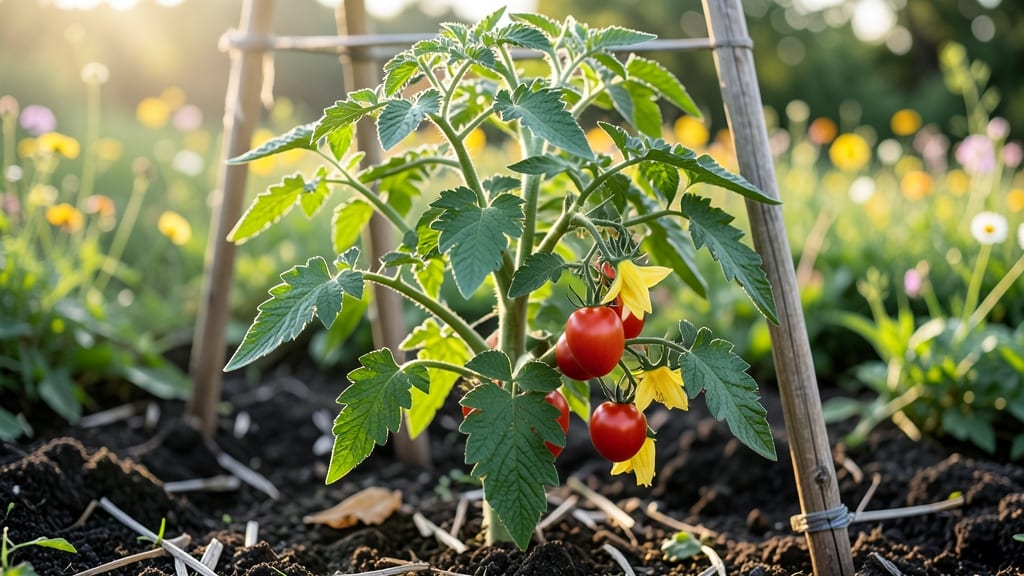
Your tomato plants are wilting faster than you can say "late summer" — and that's no way to grow a harvest. 🌱 The truth is, most tomato health issues come down to three core problems: water stress, fungal pressure, and nutrient imbalance.
I've nursed back more plants than I'd like to admit, and these three steps consistently turn around even the most pitiful-looking tomatoes.
Start by checking the roots—soft, mushy roots mean root rot, while crispy brown edges mean drought stress. Both problems fix with the same first move: adjust your watering.
Drip irrigation or soaker hoses keep soil consistently moist (not soggy) at the root zone, and mulch with straw to lock in moisture. I've seen plants perk up within 24 hours of fixing their water routine.
Next, prune away the damaged leaves—don't panic, you're not harming the plant, you're helping it. Focus on removing yellow or brown leaves (especially at the base) and any suckers growing between the stem and branches.
This improves airflow and redirects energy to fruit production. Within 7-10 days, you'll notice new green growth pushing out from the center.
For stubborn cases, a 1:10 hydrogen peroxide solution (3% strength) sprayed on the leaves and soil surface kills fungal spores without chemicals. Use it in the evening to avoid leaf burn, and repeat every 5-7 days until new growth appears.
Most plants recover fully within 2-3 weeks of consistent care—no fancy products needed.
Root Causes Of Tomato Struggles
Understanding why your tomato plants develop wilted leaves or root rot starts with identifying the hidden stressors at play. These issues rarely appear overnight—they’re often the result of cumulative damage from environmental, biological, or cultural factors. Let’s break down the key culprits and why they sabotage your plants’ health.
Tomatoes thrive on consistency, but too much water—especially in poorly drained soil—can drown roots and invite rot. Here’s how it happens:
- Waterlogged soil cuts off oxygen to roots, suffocating them. Without oxygen, roots can’t absorb nutrients or water efficiently, leading to wilting even when the soil feels moist. - Fungal infections like Phytophthora (a water-loving pathogen) thrive in soggy conditions, attacking roots and causing root rot.
These fungi block water uptake, making leaves droop despite wet soil. - Compacted or clay-heavy soil holds excess moisture, worsening the problem. If water pools around the base of your plants, roots suffocate.
Why it’s sneaky: You might think your plants are thirsty when they’re actually drowning. Check soil moisture by sticking your finger 2 inches deep—if it’s damp, hold off on watering.
Pathogens are the silent saboteurs of tomato health. These microscopic invaders exploit weak spots—often created by stress from overwatering, injury, or poor air circulation.
- Root rot fungi (Pythium, Phytophthora, Fusarium) attack roots, causing them to turn brown, mushy, and decayed. Infected plants wilt because they can’t transport water upward. - Bacterial wilt (Ralstonia solanacearum) clogs a plant’s vascular system, preventing water movement.
Infected plants wilt suddenly, even in dry conditions, and often recover briefly when bent (a classic symptom). - Early blight (Alternaria solani) and late blight (Phytophthora infestans) weaken leaves, reducing photosynthesis.
While these target foliage, stressed leaves can’t support the plant’s water needs, leading to wilting.
Why it spreads: Fungal spores linger in soil for years, while bacterial infections spread via contaminated tools, water, or even wildlife (like squirrels or birds).
Tomatoes are heavy feeders, and deficiencies—especially in potassium, calcium, or magnesium—can cripple their ability to regulate water and structure.
- Potassium deficiency weakens cell walls, making leaves floppy and prone to wilting, even temporarily. Potassium also helps plants retain water—without it, they dehydrate faster. - Calcium deficiency (often called blossom end rot in tomatoes) disrupts cell division in roots and leaves.
While it’s famous for causing fruit rot, it also stunts root growth, reducing water uptake. - Magnesium deficiency (common in acidic or sandy soils) leads to interveinal chlorosis (yellowing between leaf veins). Severely affected plants struggle to photosynthesize efficiently, leading to systemic weakness and wilting.
Why it’s confusing: Symptoms often mimic other issues (like overwatering), but a simple soil test can reveal if nutrients are the real problem.
Tomatoes are sensitive to extremes, and sudden changes in temperature, humidity, or sunlight can trigger wilting—even in healthy plants.
- Heat stress causes physiological wilting: stomata (leaf pores) close to conserve water, but if temperatures stay high at night, the plant can’t recover, leading to permanent damage. - Low humidity increases transpiration (water loss through leaves).
In dry climates, tomatoes may wilt daily but recover at night—until the stress becomes too much. - Salt buildup (from tap water, fertilizers, or poor-quality soil) disrupts root function. Excess salts bind to soil particles, making water and nutrients unavailable, which stresses the plant.
Why it’s seasonal: Wilting is often worse in summer heatwaves or during drought periods, but it can also spike after sudden temperature drops (like early fall).
Injuries—whether from pests, improper handling, or harsh pruning—create entry points for infections and disrupt water flow.
- Root damage (from cultivation, gophers, or even overzealous weeding) breaks root hairs, reducing water absorption. A single gopher tunnel near roots can cause sudden wilting. - Sap-sucking pests (aphids, spider mites, whiteflies) weaken plants by robbing them of nutrients.
Heavy infestations lead to stunted growth and wilting as the plant diverts energy to repair damage. - Mechanical stress (like rough handling during transplanting) can bruise roots, slowing recovery. Even wind damage (if plants aren’t staked) causes leaves to lose water faster.
Why it’s underrated: Many gardeners focus on water or disease but overlook how physical trauma sets the stage for bigger problems.
Quick Fixes for Sickly Tomatoes
When your tomato plants show signs of stress—whether it’s drooping leaves, mushy stems, or yellowing foliage—acting fast can save your harvest. Below are practical, step-by-step solutions tailored to the most common tomato plant problems, along with prevention tips to keep your plants thriving long-term.
Wilted leaves often signal underwatering, overwatering, or disease—but don’t panic! Here’s how to revive them:
💧 If It’s Water-Related (Too Much or Too Little)
- For underwatering:
- Step 1: Water deeply at the base (not the leaves) until moisture seeps 6 inches into the soil.
Use a moisture meter or stick your finger in—if the soil is bone-dry, it’s time to hydrate! - Step 2: Mulch with 2–3 inches of straw or shredded leaves to retain moisture and regulate soil temperature. - Step 3: Water early in the morning to reduce evaporation and fungal risks.
- For overwatering (root rot risk):
- Step 1: Stop watering immediately and let the top 2–3 inches of soil dry out before watering again.
- Step 2: Improve drainage by adding perlite or coarse sand to the soil mix (aim for 60% soil, 30% compost, 10% perlite).
- Step 3: If roots are mushy and black (root rot), prune affected roots and repot in fresh, sterile soil.
💡 Pro Tip: Yellow leaves with crispy edges = underwatering. Soft, yellow leaves with a foul smell = overwatering.
Root rot and fungal diseases (like early blight or Fusarium wilt) can kill a tomato plant in weeks if untreated. Act now:
🧼 Chemical & Organic Treatments
| Problem | Fix It | Prevent It |
|---|---|---|
| Root Rot | - Remove plant, trim black/mushy roots, and repot in sterile, well-draining soil. - Add fungicide (copper-based or hydrogen peroxide spray). | - Space plants 18–24 inches apart for airflow. - Avoid overhead watering. |
| Early Blight | - Prune infected leaves (sterilize shears with rubbing alcohol). - Spray with baking soda mix (1 tsp baking soda + 1 quart water + few drops of soap). | - Rotate crops (don’t plant tomatoes in the same spot yearly). - Water at the base, not the leaves. |
| Fusarium Wilt | - No cure—remove infected plants immediately to stop spread. - Solarize soil (cover with clear plastic for 4–6 weeks in hot sun). | - Plant resistant varieties (e.g., ‘Mountain Merit’ or ‘Celebrity’). - Test soil pH (aim for 6.0–6.8). |
🔥 Emergency Move: If root rot is severe, transplant the healthy top into a new pot with fresh soil—sometimes the plant can regrow roots!
Pests like aphids, hornworms, and spider mites sap your plant’s strength, while deficiencies (like nitrogen or potassium) cause weak growth or poor fruit.
🐜 Pest Control in 3 Steps
- Handpick (👨🍳 morning is best—pests are sluggish).
- Spray with neem oil (1 tbsp neem oil + 1 tsp mild soap + 1 quart water). Reapply every 5–7 days.
- Introduce beneficial insects (ladybugs for aphids, praying mantises for caterpillars).
🌡️ Pro Tip: Yellow leaves with brown spots = potassium deficiency. Fix with wood ash (sprinkle lightly around the base) or a balanced fertilizer (10-10-10).
💪 Boosting Weak Plants Fast
- For slow growth (nitrogen deficiency):
- Add 1 tbsp blood meal or fish emulsion per plant and water well.
- For blossom end rot (calcium issue):
- Spray leaves with calcium nitrate (follow label) or side-dress with crushed eggshells.
- For stunted plants (phosphorus deficiency):
- Use bone meal (1 tbsp per plant) or compost tea.
✅ Soil Health: Test soil every 2–3 years and amend with compost. ✅ Watering: Drip irrigation > hose > overhead watering. ✅ Airflow: Prune suckers and stake plants to improve circulation. ✅ Crop Rotation: Never plant tomatoes, peppers, or eggplants in the same spot two years in a row. ✅ Monitor Daily: Check undersides of leaves for pests and new growth for disease spots.
Remember: Tomatoes are resilient—even if a plant looks doomed, one healthy stem can regrow with the right care. Act fast, but stay patient—your next harvest could be the best yet! 🍅✨
Frequently asked questions
Why do my tomato leaves turn yellow but stay attached to the plant?
Yellowing leaves that stay attached usually indicate a nutrient deficiency or overwatering. Check the leaf pattern: yellowing between veins suggests magnesium deficiency (fix with Epsom salt), while uniform yellowing often means nitrogen deficiency (add compost or blood meal). If leaves feel soft and smell foul, you're overwatering—let the top 2 inches of soil dry out before watering again.
Can I save a tomato plant with root rot?
Yes, but act fast! First, remove the plant and trim all black/mushy roots with clean shears. Repot in sterile, well-draining soil (mix 60% potting mix, 30% compost, 10% perlite). For extra protection, spray the remaining roots with a 1:10 hydrogen peroxide solution before replanting. Keep the soil moist but not soggy for 2-3 weeks while new roots grow.
How often should I fertilize tomato plants?
Feed tomato plants every 2-3 weeks during the growing season (spring to early fall) with a balanced fertilizer (10-10-10) or organic options like compost tea. Stop fertilizing 4-6 weeks before harvest to avoid bitter-tasting fruit. For container-grown tomatoes, use half the recommended dose more frequently since nutrients deplete faster.
What's the difference between early blight and late blight on tomatoes?
Early blight appears as brown, crusty spots with yellow halos on older leaves near the soil, while late blight shows as greasy, dark lesions that spread rapidly (especially in wet conditions). Early blight targets foliage first, but late blight attacks both leaves and fruit, causing them to rot quickly. Late blight is more aggressive and can destroy plants in 5-7 days—remove infected plants immediately and avoid overhead watering.
Why are my tomato fruits cracking?
Fruit cracking happens from inconsistent watering—soaking dry soil then suddenly overwatering causes cells to expand too fast. Maintain even moisture by watering deeply 2-3 times per week (never letting soil dry completely). Mulch with straw or grass clippings to regulate soil moisture. For existing cracks, the fruit is still safe to eat—just avoid using cracked tomatoes for sauces where you want smooth texture.