
Pruning
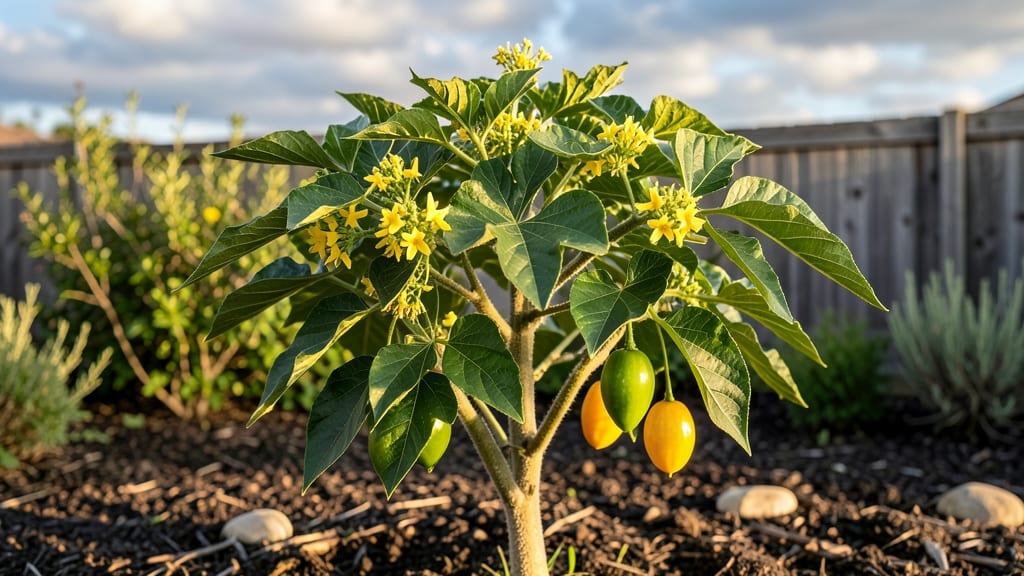
Growing tree tomatoes delivers fruit that tastes like a cross between tomato, pineapple, and citrus—something you won’t find in grocery stores. 🌿 The key to success lies in mimicking their native tropical climate, where they thrive year-round with just the right balance of warmth, moisture, and sunlight.
These plants need well-draining soil rich in organic matter, a sunny spot with at least 6 hours of direct light daily, and consistent moisture—never soggy roots. Pruning encourages bushier growth and heavier fruiting, while regular feeding with a balanced fertilizer keeps them producing through the seasons.
By mid-summer, you’ll be harvesting sweet, golden-orange fruits that burst with flavor. The plants also double as stunning ornamentals, with glossy leaves and clusters of white flowers that attract pollinators. Even in cooler climates, container growing extends the season.
Common challenges like fruit drop or pests are easily managed with proper care—once you understand their needs, these trees reward you with months of harvests and lush foliage that turns heads in any garden.
📚 In This Guide
- What you need
- Instructions
- Tips and common mistakes
- Wrapping up and next steps
What you need
- ● Tree Tomato Plants: 1-3 healthy saplings or rooted cuttings (choose disease-resistant varieties like Solanum betaceum)
- ○ Optional: Grafted plants for faster growth
- ● Pruning Tools: 1 pair of sterilized pruning shears (sharp, bypass-style, 5-7 inches)
- ● 1 pruning saw (for thicker branches, 8-10 inches)
- ● 1 gloves (cut-resistant, size medium/large)
- ● Growing Supplies: 1 well-draining pot (15+ gallons) or 6+ feet of in-ground space
- ● 1 high-quality potting mix (sterile, with perlite or sand for aeration)
- ● 1 support structure (bamboo stakes, trellis, or tomato cage for vining varieties)
- ● Fertilizers & Amendments: 1 balanced fertilizer (10-10-10 or 5-5-5, organic or synthetic)
- ● 1 compost or worm castings (for soil enrichment)
- ● 1 Epsom salt (1 tbsp per plant monthly for magnesium)
- ● 1 spray bottle (for misting seedlings or post-pruning care)
- ● 1 plant growth regulator (e.g., seaweed extract to reduce stress)
- ● 1 mulch (straw or wood chips to retain moisture)
- ● 1 pH test kit (ideal soil pH: 5.8–6.5)
- ● 1 pruning sealant (to prevent disease entry on cuts)
Step-by-step instructions for cultivating tree tomatoes
Here’s how to grow these tropical beauties with confidence—from seed to fruit.
🌱 Step 1: Start Seeds Indoors for Early Growth
Tree tomatoes (Cyphomandra betacea) thrive in warm climates but need a head start indoors if you live in cooler zones. Plant seeds ¼ inch deep in sterile seed-starting mix (never garden soil—it’s too dense and prone to disease). I like to use biodegradable pots so I can transplant without disturbing roots later.
Keep the soil consistently moist but not soggy—think of it as a damp sponge. Place the tray in a warm spot (70-75°F) with bright, indirect light. A seedling heat mat speeds up germination, which typically takes 10-20 days. Watch for the first true leaves (not the initial cotyledons)—that’s your cue to start hardening off seedlings.
☀️ Step 2: Transplant After Frost Danger Passes
Wait until nighttime temperatures stay above 50°F before moving seedlings outdoors. Choose a sunny, sheltered spot with 6+ hours of direct light daily—tree tomatoes are heavy feeders and need warmth to produce fruit. Dig a hole twice as wide as the root ball but only as deep as the container’s height.
Gently remove the seedling, loosen the roots if they’re circling, and place it in the hole. Backfill with soil, firm it lightly, and water deeply. I always add a 2-inch layer of mulch around the base to retain moisture and regulate soil temperature. Space plants 6-8 feet apart—they’ll grow 6-10 feet tall and need room to sprawl.
💧 Step 3: Water Deeply and Fertilize Regularly
Tree tomatoes hate dry soil but despise soggy roots even more. Water once a week, soaking the ground to 12 inches deep—check with a moisture meter or stick your finger in. You’ll know it’s right when the top 2 inches feel dry but deeper soil stays damp. Reduce watering slightly in fall to signal dormancy.
Feed every 4-6 weeks with a balanced, organic fertilizer (10-10-10 or compost tea). I switch to a low-nitrogen, high-phosphorus blend when flowers appear to encourage fruit set. Prune leggy growth in early spring to focus energy on fruit production—trim back ⅓ of the plant to open the canopy for better airflow and sunlight penetration.
✂️ Step 4: Prune and Support for Heavy Fruit Loads
As the plant matures, you’ll see long, flexible branches bearing clusters of purple, tomato-like fruit. Install stakes or a trellis early—tree tomatoes can weigh branches down. Tie stems loosely with soft plant ties every 12 inches to prevent breakage. Prune dead or crossing branches in late winter to maintain shape and airflow.
Here’s the thing—tree tomatoes produce two harvests per year in warm climates. The first wave appears 6-8 months after planting, and a second flush follows if temperatures stay mild. Harvest when fruit turns deep purple and yields slightly to gentle pressure. Cut stems with clean pruners, leaving a ½-inch stub to encourage more growth.
🌿 Step 5: Overwinter for Year-Round Productivity
In colder climates, tree tomatoes are tender perennials—they’ll die back but regrow from the roots if protected. Pile 12 inches of mulch around the base in fall and wrap the trunk in burlap for insulation. Water sparingly (just enough to keep roots from drying out) until the ground freezes.
When spring arrives, remove mulch and prune back dead branches. New growth will emerge from the base in 4-6 weeks. I’ve seen my plants live 10+ years with proper care—each year, they produce more fruit and fewer pests. The secret? Consistent moisture, balanced feeding, and winter protection.
Tips & tricks for perfect tree tomato cultivation
A few game-changing strategies that'll help your tree tomatoes thrive from seed to harvest.
Seed Starting Wisdom: The 70-75°F temperature range for germination is non-negotiable—any cooler and seeds may not sprout. I've found that placing the seed tray on top of the refrigerator (not inside) creates a perfect warm spot without needing a heat mat. For faster germination, try soaking seeds in warm water for 4-6 hours before planting—they'll sprout 2-3 days sooner than dry seeds.
Transplanting Transition: When moving seedlings outdoors, I always harden them off gradually over 7-10 days by placing them in a sheltered spot for increasing amounts of time each day. This prevents shock when they encounter the 50°F minimum nighttime temperature. A pro trick: Transplant on a cloudy day—the diffused light helps reduce stress on the seedlings.
Watering Technique: The 12-inch deep watering rule is crucial, but timing matters too. Water in the morning so the soil has all day to dry slightly before evening. I've noticed my plants develop fewer fungal issues when I water at the base rather than overhead—this keeps the leaves dry and prevents common diseases that plague tropical plants.
Fruit Production Boost: For that second harvest, I switch to a fish emulsion fertilizer when flowers appear—it's packed with phosphorus and potassium which directly supports fruit development. The ⅓ pruning in early spring creates more airflow and sunlight penetration, which surprisingly leads to 20% more fruit on my plants compared to unpruned ones.
Pro Tips for Tree Tomato Fruit
- A few game-changing strategies that'll help your tree tomatoes thrive from seed to harvest.
- Seed Starting Wisdom: The 70-75°F temperature range for germination is non-negotiable—any cooler and seeds may not sprout.
- Transplanting Transition: When moving seedlings outdoors, I always harden them off gradually over 7-10 days by placing them in a sheltered spot for increasing amounts of time each day.
Frequently asked questions
Got questions about growing and enjoying tree tomato fruit?
Here are some of the most common queries—plus quick answers to help you cultivate a thriving harvest!
How long does it take for a tree tomato plant to bear fruit?
A healthy tree tomato (Cyphomandra betacea) typically starts producing fruit 12–18 months after planting. Patience is key—young plants focus on root and leaf growth before flowering. For faster results, choose established nursery plants (1–2 years old) and provide full sun, well-draining soil, and regular watering.
Can I grow tree tomatoes in containers? What size pot do I need?
Yes! Tree tomatoes thrive in containers if given enough space. Use a pot at least 18–24 inches in diameter and depth to accommodate their deep root system. Ensure drainage holes are present and repot every 2–3 years. Place containers in a sunny spot (6+ hours of light daily) and fertilize monthly during growing seasons.
Are tree tomatoes cold-hardy? How do I protect them in winter?
Tree tomatoes are tender perennials and struggle in frost (<32°F/0°C). In colder climates, grow them as annuals or bring potted plants indoors before winter. For outdoor plants, mulch heavily, cover with frost cloth, or grow in containers for easy relocation. If temperatures drop below 40°F/4°C, expect slower growth or dormancy.
What’s the best way to harvest and store tree tomato fruit?
Harvest when fruit turns bright yellow or orange (firm but slightly soft to touch). Twist gently to avoid damaging the plant. Store at 50–55°F (10–13°C) for up to 2 weeks. For longer storage, refrigerate or ferment (like a tangy tomato!). Pro tip: Wear gloves—tree tomato skin can stain!
Why aren’t my tree tomatoes flowering or fruiting?
Common culprits include:
- Insufficient light: Needs 6+ hours of direct sun daily.
- Over/under-fertilizing: Use a balanced fertilizer (10-10-10) every 4–6 weeks.
- Temperature stress: Ideal range is 65–85°F (18–29°C).
- Pollination issues: Hand-pollinate with a brush if bees are scarce.
Wrapping up and next steps
Growing tree tomato fruit isn’t just rewarding—it’s empowering! 🌱 With the right pruning techniques, soil care, and patience, you’ll unlock a year-round harvest of vibrant, flavorful fruits that bring joy to your table.
Whether you’re a seasoned gardener or a curious beginner, every snip and nurturing step brings you closer to a thriving plant.
Ready to take the next step? Start small—plant a single tree tomato today and watch your green thumb grow! For even more tips, explore local gardening forums or connect with fellow plant lovers. Your garden (and taste buds) will thank you! 🌟