
How To
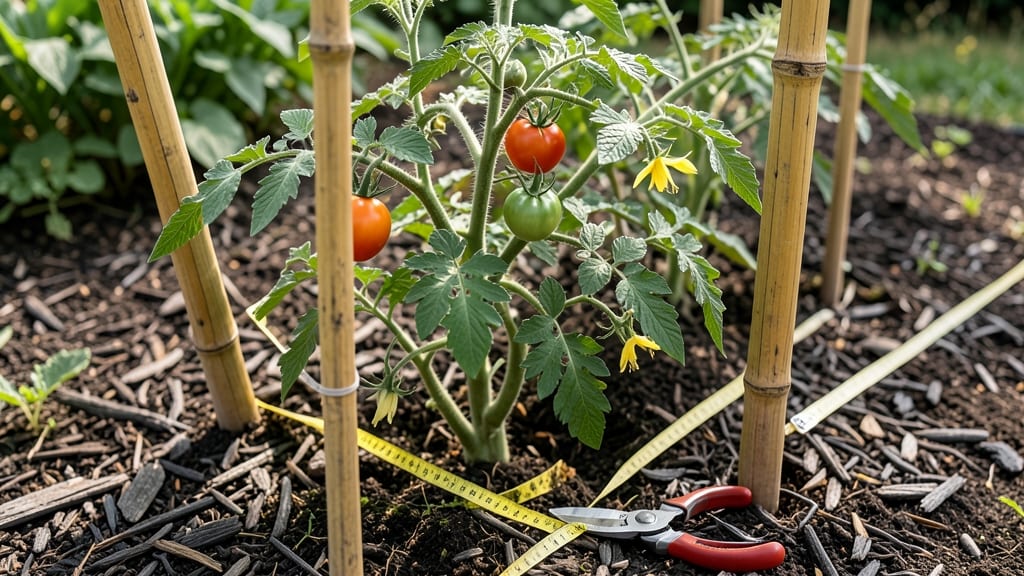
How tall should you let tomato plants grow? The answer isn’t one-size-fits-all—they’re either sky-scrapers or compact shrubs, and knowing the difference saves you from tangled vines or missed harvests. 🌱 Determinate varieties cap out around 3-5 feet and produce all their fruit at once, while indeterminate types can climb 6-12 feet (or more!) with continuous blooms. The key isn't just letting them grow wild—it's guiding their height to maximize air flow, sunlight, and fruit quality.
Here's the game-changer: indeterminate plants need strong support (cages, stakes, or trellises) to keep them upright, while determinate types often don't. Prune suckers—those little shoots in the leaf axils—regularly to direct energy into fruit rather than vertical growth.
I learned the hard way that ignoring height control leads to crowded plants, more diseases, and smaller tomatoes. The sweet spot? 4-6 feet for indeterminates (with pruning) and 3-4 feet for determinates—where you balance structure with yield.
📚 In This Guide
- What you need
- Instructions
- Tips and common mistakes
- Wrapping up and next steps
What you need
- ● Tomato seeds or seedlings: Choose varieties suited to your climate (e.g., Roma for determinate, Beefsteak for indeterminate). Start with 3–6 plants for a small garden.
- ● Containers or garden bed: For determinate varieties (bush-type): 5-gallon pots or raised beds (12" deep).
- ● For indeterminate varieties (vining): 7–10-gallon pots or in-ground plots with 18"–24" spacing.
- ● High-quality potting mix: 1–2 bags (look for "tomato-specific" or well-draining blends).
- ● Fertilizer: Balanced (10-10-10) or tomato-specific fertilizer (follow package rates).
- ○ Compost or worm castings (optional but boosts soil health).
- ● Support structures: For determinate: Cages (4–5 ft tall) or stakes (3–4 ft).
- ● For indeterminate: Trellis (6–8 ft tall), tall stakes (6+ ft), or floppy tomato supports.
- ● Pruning shears or sharp scissors (for trimming suckers and dead leaves).
- ● Garden gloves (to protect your hands from thorns and soil).
- ● Watering can or hose with a gentle spray nozzle (avoid wetting leaves to prevent disease).
- ● Mulch (straw or shredded leaves) (helps retain moisture and suppress weeds).
- ○ pH test kit (optional but helpful—tomatoes thrive at 6.0–6.8 pH).
- ● Plant ties or soft twine (to secure vining varieties to supports).
Instructions for managing tomato plant height by variety
Tomato height control isn't one-size-fits-all—each variety thrives at different heights for maximum fruit production.
🌱 Step 1: Identify Your Tomato Variety's Growth Habit
Determine whether you're growing determinate (bush) or indeterminate (vining) tomatoes—this dictates your height management strategy. Determinate varieties like 'Celebrity' or 'Roma' naturally top out at 3-5 feet and produce fruit in clusters near the terminal bud. Indeterminate types such as 'Cherry Roma' or 'Brandywine' keep growing until frost, potentially reaching 6-12 feet if unchecked.
Check your seed packet or plant tag for height ranges—this tells you the optimal pruning height for your specific variety. I always write the variety name and expected height on a popsicle stick marker to keep track of multiple plants in my garden.
✂️ Step 2: Prune Determinate Varieties for Bush Structure
For bush tomatoes, pruning focuses on air circulation and fruit access. Remove suckers (shoots in leaf axils) when they're 1-2 inches long—these compete with fruit production. Leave 2-3 main stems for varieties like 'Better Boy' (4-5 feet) and 1-2 stems for compact types (3 feet or less).
Watch for yellowing lower leaves—these signal the plant is directing energy upward. Once you see 5-6 fruit clusters developing, stop pruning entirely. The plant will naturally slow growth as it matures, but don't let it exceed its variety-specific height limit (e.g., 4 feet for 'Early Girl').
🌿 Step 3: Train Indeterminate Varieties with a Support System
Indeterminate tomatoes need vertical support to reach their full height potential. Install 6-foot cages or tall trellises at planting time—these varieties will outgrow standard 4-foot cages. I use wooden stakes for heirlooms like 'Brandywine' and tie stems with soft plant ties every 12-18 inches to prevent wind damage.
Prune indeterminate plants to encourage lateral branching while maintaining a strong central leader. Remove suckers larger than 6 inches to prevent overcrowding. For varieties like 'Sungold' that can grow 10+ feet, I limit height to 8 feet by pinching the terminal bud when the plant reaches the top of my trellis—this redirects energy to fruit production.
☀️ Step 4: Adjust Height Management by Season and Location
In hot climates, indeterminate tomatoes benefit from topping at 5-6 feet to prevent heat stress on lower fruit. Watch for wilting leaves during peak afternoon heat—this signals the plant is struggling to support its own weight. In cooler regions, let indeterminate varieties grow taller (up to 10 feet) since they'll mature more slowly.
For container-grown tomatoes, height is naturally limited by pot size. Varieties like 'Tiny Tim' (2-3 feet) thrive in 5-gallon pots, while 'Better Boy' (5-6 feet) needs 15-gallon containers. Always prune to 1/3 of the plant's mature height when growing in containers to maintain stability.
Tips & tricks for perfect tomato plant height management
Getting tomato plant heights right makes all the difference between a modest harvest and a garden overflowing with juicy fruit. Here's what I've learned after years of trial and error in my own garden.
Variety-Specific Pruning: The height limits mentioned in Step 1 aren't arbitrary—they're based on each variety's natural growth patterns. For determinate types like 'Roma' (3-5 feet), you'll notice the plant naturally slows growth once it hits its height limit. For indeterminate varieties like 'Brandywine', I've found that pinching back at 8 feet (as mentioned in Step 3) actually increases fruit production by redirecting energy from vertical growth to flower clusters.
Sucker Size Matters: When pruning determinate varieties in Step 2, timing is everything. Those 1-2 inch suckers you remove are critical—larger suckers already have energy reserves that compete with your main fruit clusters. I use a small pair of pruning shears and make clean cuts just above the leaf axil to prevent disease entry points. For indeterminate varieties, wait until suckers reach 6 inches before removing them—they've already established some root potential that can be redirected to fruit production.
Support System Installation: The vertical support mentioned in Step 3 isn't just about height—it's about stability. I've seen 6-foot cages fail spectacularly when planted too late in the season. Install your cages or trellises at planting time (not after the plant is established) to prevent root disturbance. For heavy varieties like 'Beefsteak', I reinforce stakes with additional support wires at the 3-foot mark to handle the weight of mature fruit clusters.
Seasonal Height Adjustments: The climate-specific advice in Step 4 is worth emphasizing. In my hot Southern garden, I've learned to top indeterminate plants at 5-6 feet to prevent sunscald on lower fruit. But in my cooler mountain garden, I let them grow taller because the slower maturation means less heat stress overall. This seasonal flexibility is why I always keep a height chart by my tomato patch—it's my garden's cheat sheet for optimal heights.
Pro Tips for How Tall Should You Let Tomato Plants Grow
- Getting tomato plant heights right makes all the difference between a modest harvest and a garden overflowing with juicy fruit.
- Variety-Specific Pruning: The height limits mentioned in Step 1 aren't arbitrary—they're based on each variety's natural growth patterns.
- Sucker Size Matters: When pruning determinate varieties in Step 2, timing is everything.
Frequently asked questions
Got questions about managing your tomato plants' height? Here are answers to the most common ones to help you grow a thriving garden!
What’s the ideal height for indeterminate tomato plants?
Indeterminate varieties can grow unlimitedly (sometimes 6–10+ feet!) if left unpruned. However, for manageable yields and airflow, prune them to 5–6 feet—this prevents disease and makes harvesting easier. Use cages or stakes for support!
How tall should determinate tomato plants grow before stopping?
Determinate tomatoes are self-limiting, typically reaching 3–5 feet tall before flowering and fruiting. They don’t need pruning, but you can trim suckers (side shoots) to improve airflow. Let them grow naturally—they’ll stop on their own!
When should I prune tomato plants to control height?
Prune indeterminate tomatoes throughout the growing season, starting when plants are 12–18 inches tall. Remove suckers (shoots in leaf axils) weekly to direct energy to fruit production. Avoid heavy pruning late in the season—let plants focus on ripening existing fruit.
Can I let tomato plants grow too tall? What are the risks?
Yes! Overgrown tomatoes (especially indeterminate types) can become top-heavy, disease-prone, or hard to harvest. Risks include blossom end rot, fungal issues (like early blight), and broken stems. Prune early to avoid these problems and keep plants sturdy with proper support.
What if my tomato plants are growing too fast in a small space?
For compact spaces, choose bush or dwarf varieties (like ‘Tiny Tim’ or ‘Patio Princess’) that max out at 2–3 feet. If using larger varieties, prune aggressively, use espalier training, or grow in containers with vertical supports. Rotate plants regularly for even sunlight!
Should I prune tomato plants after they start flowering?
Yes, but lightly! After flowering, focus on removing suckers below the first flower cluster to avoid stressing the plant. Avoid heavy pruning—let existing fruit develop while keeping the plant balanced. Prune only to improve airflow, not to stunt growth.
Wrapping up and next steps
Finding the perfect height for your tomato plants isn’t just about space—it’s about harvesting happiness! 🌱 Whether you’re growing indeterminate vines sky-high or keeping determinate bushes compact, the key is to balance support, airflow, and yield.
Prune with confidence, monitor growth, and don’t forget to celebrate every ripe tomato—you’re cultivating more than just plants! Now that you’re armed with variety-specific tips, roll up your sleeves and give your tomatoes the care they deserve.
Ready to turn your garden into a flavor-packed paradise? Start planning your next harvest today! 🍅✨