
Planting
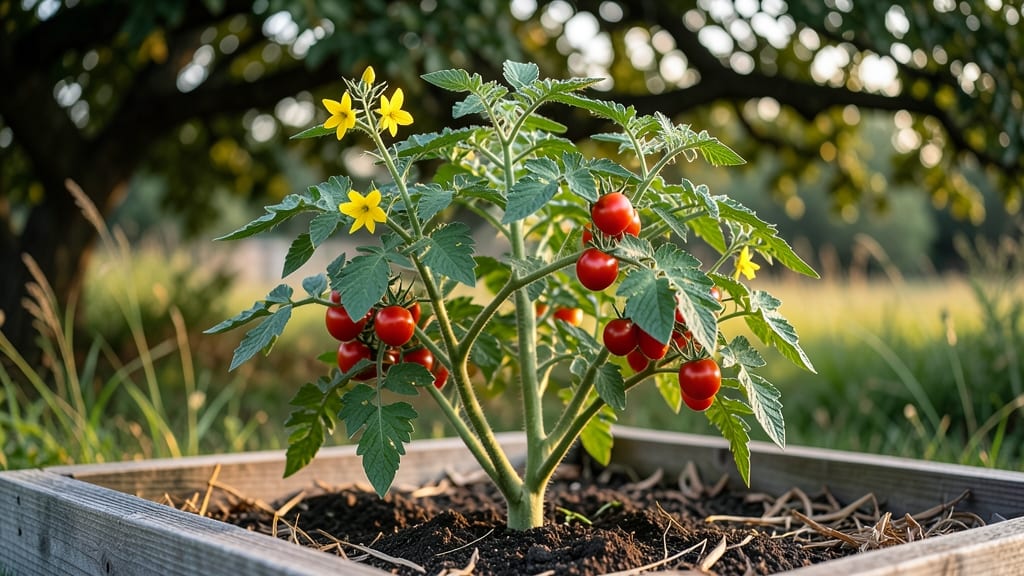
Growing a Red Robin tomato plant means Burpee-approved flavor and productivity in a compact package—perfect for small spaces or containers. 🌱 I’ve grown this determinate variety for three seasons now, and it consistently delivers sweet, juicy tomatoes without taking over my garden.
The secret lies in its disease resistance and bushy growth habit, which makes it a standout for busy gardeners. This tomato thrives in full sun (6-8 hours daily) and well-draining soil with a pH of 6.0-6.8.
Start seeds indoors 6-8 weeks before last frost or buy transplants for a head start. The key to heavy harvests is consistent watering—1-1.5 inches per week—and a balanced fertilizer like 10-10-10 applied every 3-4 weeks.
Prune suckers (those little shoots between stems) to focus energy on fruit production, and stake or cage the plants early to prevent sprawling. By midsummer, you’ll be snipping bright red, 1-inch tomatoes that burst with flavor—far superior to store-bought.
The plants stay productive for 4-6 weeks, giving you a steady supply of tomatoes perfect for salads, sauces, or snacking. With minimal fuss, you’ll end up with a neighborhood-envied harvest in even the smallest garden. Works in containers (5-gallon pots or larger), raised beds, or in-ground plots.
Here’s how to set it up for success—no green thumb required!
📚 In This Guide
- What you need
- Instructions
- Tips and common mistakes
- Wrapping up and next steps
What you need
- ● Red Robin tomato seeds or seedlings: Choose Burpee-approved seeds or healthy 4-6 week-old seedlings from a trusted nursery.
- ● Containers or garden bed: Containers: 5-gallon pots (1 per plant) with drainage holes, or fabric grow bags.
- ● Garden bed: Well-draining soil in a sunny spot (6+ hours of sunlight daily).
- ● High-quality potting mix: A blend of 60% peat moss or coco coir, 30% compost, and 10% perlite or vermiculite for aeration.
- ● Balanced fertilizer (10-10-10 or 5-5-5): Organic options like compost tea or worm castings work too!
- ● Tomato cages or stakes: 4-5 ft tall (1 per plant) to support the vining variety.
- ● Mulch: Straw or shredded leaves to retain moisture and suppress weeds.
- ● Trowel or hand shovel for transplanting.
- ● Watering can or hose with a gentle spray nozzle (avoid wetting leaves).
- ● Pruning shears for trimming suckers and dead foliage.
- ○ pH testing kit (optional) to ensure soil pH is between 6.0–6.8.
- ● Gloves and knee pads for comfort during planting.
- ● Mycorrhizal fungi to boost root health.
- ● Drip irrigation system for consistent watering.
- ● Shade cloth for seedlings if temperatures exceed 85°F (29°C).
- ● Epsom salt (magnesium sulfate) for leaf health (1 tbsp per gallon of water, monthly).
Step-by-step instructions for growing Red Robin tomatoes
This Burpee-approved variety thrives with the right care—here's how to coax those sweet, beefsteak-sized fruits from seed to harvest.
🌱 Step 1: Start Seeds Indoors 6-8 Weeks Before Last Frost
Fill 2-3 inch deep seedling trays with sterile seed-starting mix (not garden soil) and moisten until damp but not soggy. Press the mix down lightly to eliminate air pockets—this ensures even moisture for germination. Plant 2-3 seeds per cell at a depth of ¼ inch; deeper planting delays emergence because seedlings must push through more soil.
Cover the tray with a clear plastic dome or plastic wrap to retain warmth and humidity. Place the tray on a seedling heat mat set to 75-85°F—this temperature range accelerates germination, which typically occurs in 7-14 days. Check daily for condensation on the dome; wipe it clean to prevent mold. The moment you see first true leaves (not the initial cotyledons), remove the dome immediately to avoid damping-off disease.
☀️ Step 2: Provide 14+ Hours of Light Daily After Germination
Red Robin tomatoes need full-spectrum grow lights positioned 2-4 inches above seedlings for 14-16 hours daily. Without enough light, seedlings stretch toward the source (leggy growth), weakening their stems. You'll know your setup is right when seedlings have thick stems, dark green leaves, and compact spacing between leaves.
Rotate the tray a quarter turn daily so seedlings grow straight instead of leaning. If you notice leaves turning pale yellow between veins, your light is too intense—move it 4-6 inches higher. Harden off seedlings 2 weeks before transplanting by placing them outside in partial shade for 1-2 hours daily, gradually increasing exposure.
🪴 Step 3: Transplant to Full Sun and Support Stakes
Choose a sunny spot with 6+ hours of direct sun and well-draining soil. Bury seedlings deeper than the stem—up to the first set of true leaves—to encourage strong root growth. Plant 18-24 inches apart in rows 3 feet apart to allow airflow and reduce disease risk. Insert 6-foot tall stakes or cages at planting time to avoid damaging roots later.
Water deeply at the base after transplanting to settle soil and eliminate air pockets. Mulch with 2-3 inches of organic mulch (like straw) to retain moisture and suppress weeds. Red Robin tomatoes are indeterminate, so they'll grow 6-8 feet tall—prune suckers (side shoots in leaf axils) to direct energy to fruit production. Remove suckers when they're 2-3 inches long to prevent overcrowding.
💧 Step 4: Water Deeply and Fertilize for Heavy Yields
Water 1-2 inches per week, aiming for deep, infrequent watering rather than shallow daily doses. Check soil moisture by sticking your finger 1-2 inches deep—water when it feels dry. Avoid wetting leaves to prevent fungal diseases like early blight. Drip irrigation or soaker hoses deliver moisture directly to the roots, keeping foliage dry.
Feed plants with a balanced fertilizer (10-10-10) at planting, then switch to a low-nitrogen, high-phosphorus formula (5-10-10) when flowers appear. Side-dress with compost mid-season to replenish nutrients. Red Robin tomatoes produce 1-pound fruits, so they need consistent feeding. You'll see heavy clusters forming along the vine—prune back 10-15% of foliage to improve airflow and fruit quality.
✂️ Step 5: Prune and Harvest for Maximum Production
Prune suckers (side shoots) regularly to focus energy on fruit production. Remove any leaves touching the soil to reduce disease risk. When fruits reach 3-4 inches in diameter, they're ready to harvest—twist gently to avoid damaging the vine. Red Robin tomatoes ripen 75-85 days after transplanting, but they continue producing until frost.
Harvest in the morning when sugars are highest. Use a sharp knife or pruners to cut stems if fruits are large. Store unripe tomatoes at 55-65°F to ripen slowly. If frost threatens, pick green tomatoes and store them in a paper bag with a banana to speed up ripening with ethylene gas. This variety holds its shape when cooked, making it ideal for sauces, slicing, and grilling.
Tips & tricks for growing Burpee-approved Red Robin tomatoes
These battle-tested strategies will help you coax the most flavorful harvest from your Red Robin tomato plants—Burpee's prized beefsteak variety.
Germination Environment: The 75-85°F heat mat range is non-negotiable for fast germination. I've learned this the hard way—cooler temps delay sprouting by days. For even faster results, place a small space heater near the tray (but not touching) to maintain consistent warmth. A simple thermometer on the heat mat ensures you're in the optimal zone. The moment you see those first true leaves, remove the dome immediately—this prevents damping-off disease by reducing humidity and allowing air circulation.
Lighting Strategy: Those 14-16 hours of light aren't just about duration—the quality matters too. I recommend LED grow lights with a full spectrum (especially red and blue wavelengths) for best results. Position them 2-4 inches above seedlings and adjust as they grow. Watch for that "leggy" growth where stems elongate and leaves space out—this is your signal to increase light intensity or duration. A simple quarter-turn rotation daily prevents seedlings from leaning toward the light source, which weakens their structure.
Transplanting Technique: Burying seedlings deeper than the stem isn't just about root growth—it's about stability. When you plant up to the first true leaves, you're creating a stronger stem base that can support those heavy 1-pound fruits. I always add a handful of compost to the planting hole to give roots an immediate nutrient boost. For containers, use at least a 5-gallon pot per plant since Red Robin's indeterminate growth will demand space—think of it as giving your tomato a head start on its 6-8 foot journey.
Watering Wisdom: The 1-2 inches per week guideline works best when you water deeply and infrequently. I've found that drip irrigation or soaker hoses are game-changers—they deliver moisture directly to roots while keeping leaves dry, which dramatically reduces fungal diseases like early blight. The key is checking soil moisture 1-2 inches deep with your finger. If it feels dry, it's time to water. Morning watering is ideal because it gives foliage time to dry before evening, when humidity naturally rises.
Pro Tips for Red Robin Tomato Plant
- These battle-tested strategies will help you coax the most flavorful harvest from your Red Robin tomato plants—Burpee's prized beefsteak variety.
- Germination Environment: The 75-85°F heat mat range is non-negotiable for fast germination.
- Lighting Strategy: Those 14-16 hours of light aren't just about duration—the quality matters too.
Frequently asked questions
Got questions about growing the Red Robin tomato plant? You’re not alone! Here are some of the most common queries—plus quick answers to help you cultivate a thriving harvest.
How long does it take for a Red Robin tomato plant to produce fruit?
The Red Robin tomato typically starts flowering 50–60 days after transplanting (or 60–70 days from seed). Fruit usually ripens within 10–14 days after flowering, so expect your first tomatoes around 7–9 weeks post-transplant. Patience pays off—these beauties are worth the wait!
Can Red Robin tomatoes grow in containers, or do they need a garden bed?
Red Robins thrive in 5-gallon containers or larger with proper drainage. Use a balanced fertilizer (like 10-10-10) and support the vines with a cage or trellis as they grow. Just ensure the pot gets 6–8 hours of sunlight daily—containers dry out faster than garden beds, so monitor soil moisture closely.
What pests or diseases should I watch for with Red Robin tomato plants?
Common threats include aphids, hornworms, and early blight. Preventative care helps:
- Neem oil spray for aphids.
- Handpick hornworms (they’re sneaky!).
- Rotate crops and avoid overhead watering to deter blight.
- Prune lower leaves for airflow.
When is the best time to harvest Red Robin tomatoes?
Harvest when tomatoes are fully colored, slightly soft to the touch, and easy to twist from the vine. For peak flavor, pick in the morning after dew dries—they’re cherry-sized but juicy and sweet. Use pruning shears or scissors to avoid damaging the plant. Pro tip: Don’t wait too long—overripe tomatoes split easily!
Are there any alternatives to Red Robin if I want a similar tomato variety?
If you love Red Robin’s sweet, disease-resistant traits, try these Burpee-approved picks:
- Sweet Million – Another cherry tomato with high yields and crack resistance.
- Sun Gold – Orange, super-sweet, and prolific (but less heat-tolerant).
- Mountain Merit – A larger beefsteak type with great flavor and disease resistance.
Wrapping up and next steps
Growing a Red Robin tomato plant from Burpee is a rewarding journey that delivers sweet, juicy, and abundant harvests—perfect for home gardeners eager to enjoy fresh, garden-fresh tomatoes. With the right care, this heirloom variety thrives in containers or gardens, offering disease resistance and high yields even in smaller spaces.
Whether you're a seasoned gardener or just starting, this plant is your ticket to a bountiful, flavorful summer!
Ready to plant and grow? Start by gathering your supplies and reviewing key tips—then dig in! Your future tomato sandwiches (and bragging rights) will thank you. 🌱🍅