
Vegetables
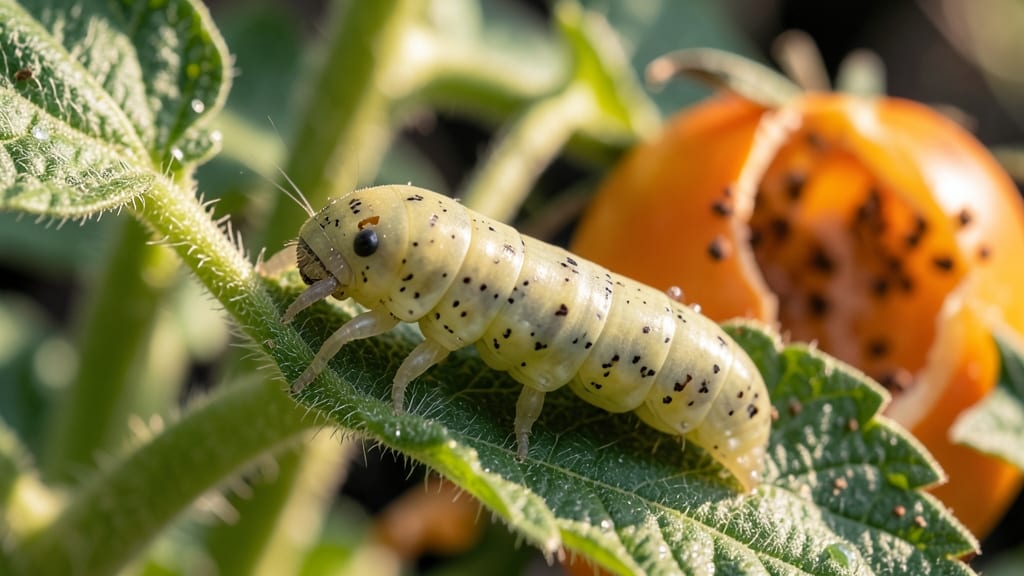
Those tiny tomato fruitworm larvae can turn your ripening harvest into a Swiss-cheese mess overnight. 🌱 I learned the hard way after losing half my heirloom tomatoes to wiggling green caterpillars last summer—now I’ve got a foolproof organic system to keep them out.
The damage starts small: tiny holes in leaves, then chewed fruit that’s unusable. But the real kicker? These pests thrive in warm weather, so they’re most active when your tomatoes should be at their peak. The good news?
You can stop them without harsh chemicals by combining physical barriers, natural predators, and smart timing. With these methods, you’ll protect your plants from egg to harvest, even in heavy-infestation years. The key is acting fast—once those larvae hatch, they’re already eating your crop.
I’ll show you exactly how to break their life cycle before they can cause real damage. This works for backyard gardens, raised beds, and even container-grown tomatoes. Let’s get those worms under control the organic way!
The Hidden Triggers Behind Infestations
Understanding why tomato fruitworm larvae (scientific name: Helicoverpa zea) invade your garden is the first step to stopping them organically. These voracious caterpillars don’t just appear out of nowhere—they’re drawn by specific conditions and cues in your growing environment.
Let’s break down the key factors that turn your tomato plants into a buffet for these pests.
Tomato fruitworm larvae are polyphagous, meaning they’ll feast on over 200 plant species—but they have a serious sweet tooth for tomatoes. Here’s why they zero in on yours:
- Volatile Organic Compounds (VOCs): Ripe tomatoes emit chemical signals (like hexanal and ethyl acetate) that attract adult moths. These compounds are part of the fruit’s natural aroma, but to moths, they’re a dinner bell. 🔔
- Soft, Fleshy Fruit: Larvae prefer tomatoes that are green but breaking color (early ripening stages) or fully ripe. The thin skin and juicy interior make it easy for them to burrow in and devour the flesh.
- Overripe or Damaged Fruit: If tomatoes are bruised, cracked, or fermenting, they release even more enticing odors. Think of it like a neon sign for moths: “Free meal here!” 🚨
Actionable Fix: Harvest tomatoes as soon as they ripen (even if not fully red) and remove fallen or overripe fruit immediately. Prune lower leaves to improve airflow and reduce hiding spots for eggs.
Adult tomato fruitworms (moths) are nocturnal, meaning they’re most active under the cover of darkness. Their egg-laying habits are strategic and tied to environmental triggers:
- Moonlight & Warm Nights: Moths use the moon as a navigational tool (a phenomenon called transverse orientation). Clear, moonlit nights with temperatures above 70°F (21°C) signal them to fly and lay eggs. 🌙
- Plant Surface Texture: Female moths prefer to lay eggs on rough, hairy, or slightly damaged tomato leaves and stems. Smooth leaves (like those on hybrid varieties) get fewer eggs—but that’s no guarantee!
- Batch Egg-Laying: A single female can lay 500–2,000 eggs in her lifetime, often clustering them in groups of 10–50. These hatch in 3–7 days, releasing larvae ready to tunnel into fruit.
Actionable Fix:
- Install yellow sticky traps near plants to monitor and reduce adult moth populations. 🎯
- Use row covers (fine mesh) at dusk to block moths from laying eggs.
- Avoid overhead irrigation at night, which can attract moths to damp foliage.
Tomato fruitworms thrive in warm, humid conditions, with their lifecycle accelerating in heat. Here’s how climate plays a role:
| Factor | Why It Matters | Larval Development Speed |
|---|---|---|
| Temperature | Larvae develop fastest between 77–86°F (25–30°C). Below 60°F (15°C), their growth stalls. | 14–21 days (from egg to pupa) |
| Humidity | High humidity (>60%) keeps eggs and young larvae hydrated, reducing mortality. | Eggs hatch 2x faster in humid conditions. |
| Rainfall | Heavy rain can wash away eggs, but also creates standing water that attracts moths. | Prolonged wet periods increase fungal diseases that kill larvae. |
Actionable Fix:
- Plant tomatoes in late spring or early summer (after the last frost) to align with cooler early-season growth, slowing larval development. ⏳
- Improve drainage in garden beds to reduce humidity around plants.
- Mulch with straw or grass clippings to regulate soil temperature and deter moths from laying eggs directly on soil-contact fruit.
Neglecting garden cleanliness and repeating tomato plantings in the same spot create a perfect storm for fruitworm infestations:
- Leftover Debris: Old tomato vines, fallen fruit, and plant residues harbor pupae (larvae’s dormant stage) or uneaten eggs. These can overwinter in soil, emerging as adults the next season. 🌪️
- Monoculture Planting: Growing tomatoes (or other solanaceous plants like peppers/eggplants) in the same spot yearly exhausts natural predators and trains moths to recognize the area as a food source.
- Weeds as Hosts: Plants like morning glories, sunflowers, and marigolds can act as alternative hosts, allowing moth populations to build up nearby.
Actionable Fix:
- Practice 3-year crop rotation, avoiding tomatoes in the same family (Solanaceae) in successive years. 🔄
- Remove all plant debris after harvest, including roots. Solarize soil in fall by covering it with clear plastic for 4–6 weeks to kill pupae.
- Interplant tomatoes with basil, thyme, or catnip—their strong scents repel moths.
By addressing these root causes, you’re not just treating the symptoms—you’re disrupting the lifecycle of tomato fruitworm larvae at every stage. Stay tuned for organic control methods that target these triggers directly! 🌱🚫🐛
Natural Ways to Stop Pests Damaging Tomatoes
Now that you understand why tomato fruitworm larvae target your plants, it’s time to take action—without relying on harsh chemicals. Below are practical, organic solutions tailored to the root causes of infestations, from early prevention to active treatment.
Each method is designed to be effective, easy to implement, and safe for your garden ecosystem.
The best defense is a strong, healthy garden that pests avoid. Start with these proactive steps:
🌿 Strengthen Plant Health
Tomato fruitworm larvae thrive on stressed or weak plants. Boost your tomatoes’ resilience with: - Balanced fertilization: Use compost, worm castings, or organic fertilizer (like fish emulsion) to provide steady nutrients.
Avoid over-fertilizing with nitrogen—it attracts pests! - Proper watering: Water deeply at the base (not overhead) to prevent fungal diseases and deter egg-laying moths.
Aim for 1–1.5 inches per week. - Prune strategically: Remove yellowing or damaged leaves (where larvae hide) and prune low-hanging branches to limit egg-laying spots.
🕷️ Disrupt Moth Breeding Cycles
Fruitworms start as eggs laid by tomato hornworms and fruitworm moths. Break their life cycle with:
- Traps & lures:
- Pheromone traps: Place commercial moth traps (like those for codling moths) near your garden.
They mimic female pheromones to confuse male moths and reduce mating. - DIY light traps: Set up a white sheet with a blacklight or LED bulb at dusk.
Moths are attracted to light and get trapped—check and dispose of them daily. - Row covers: Use floating row covers (made of lightweight fabric) over young plants. Secure edges tightly to block moths from laying eggs while allowing pollination (remove when flowers appear).
🌡️ Create Unfavorable Conditions
Larvae struggle in hot, dry, or competitive environments. Try these tweaks: - Mulch heavily: Apply straw or grass clippings around plants to dry out soil and deter egg-laying.
Avoid wet mulch, which attracts slugs. - Interplant with repellents: Surround tomatoes with basil, marigolds, or dill.
These plants mask tomato scents and repel moths naturally. - Rotate crops: If you’ve had fruitworm issues before, avoid planting tomatoes (or nightshades like peppers/eggplants) in the same spot for at least 3 years.
If you’ve already spotted eggs, larvae, or damage, act fast with these targeted solutions:
👨🍳 Manual Removal (Best for Small Gardens)
- Handpick larvae: Check undersides of leaves, stems, and fruit daily (especially in the morning). Drop larvae into soapy water to kill them instantly.
- Scrape off eggs: Early detection is key!
Eggs are tiny and yellow, often laid in clusters. Use a soft brush or fingernail to gently remove them. - Inspect fruit regularly: Slice open suspect tomatoes (look for white grubs or black frass). Remove infested fruit immediately.
🐛 Biological Controls (Safe & Effective)
Introduce natural predators to keep fruitworm populations in check: - Parasitic wasps: Tiny braconid wasps lay eggs inside fruitworm larvae, killing them.
Purchase them from garden centers or release Trichogramma wasps (they target moth eggs). - Nematodes: Apply beneficial nematodes (Heterorhabditis bacteriophora) to soil. They seek out and kill larvae underground. Water thoroughly after application. - Birds & lizards: Encourage chickens, bluebirds, or geckos to visit your garden.
They love eating larvae and provide free pest control!
🌿 Organic Sprays (Use as Last Resort)
If infestations persist, try low-toxicity sprays that disrupt larvae without harming beneficial insects: - Neem oil: Mix 1 tbsp neem oil + 1 tsp mild soap + 1 quart water.
Spray early morning or evening (avoid direct sun). Reapply every 5–7 days. Note: It works best on eggs and young larvae. - Bacillus thuringiensis (Bt): A bacteria-based spray (Bt kurstaki) that paralyzes larvae’s digestive systems.
Safe for humans and pets. Apply every 7–10 days or after rain. - Spinosad: Derived from fermentation of soil bacteria, this spray is highly effective but slightly more toxic than neem/Bt. Use only at dusk to protect bees.
- 🌡️ Time your planting: Start tomatoes after the last frost but before peak moth season (varies by region). Check local agricultural extensions for moth flight times. - 🎯 Monitor with sticky traps: Place yellow sticky cards near plants to track moth activity.
If you see >5 moths per week, ramp up prevention. - 🔄 Rotate treatments: Don’t rely on one method alone.
Combine row covers, Bt sprays, and handpicking for the best results. - 🍅 Harvest early: Pick tomatoes before they ripen (use green tomato sauce or let them ripen indoors) to reduce exposure to late-season larvae.
By combining prevention, biological controls, and smart treatments, you can protect your tomatoes organically—without sacrificing flavor or safety. 🍅💚 Start with one or two methods this season, then expand based on what works best for your garden!
Frequently asked questions
How do I tell if my tomatoes have fruitworm larvae?
Look for tiny holes in leaves, stems, or fruit—often with black frass (fecal pellets) inside. Slice open suspect tomatoes to spot white or green caterpillars tunneling through the flesh. Early signs include chewed edges on leaves or irregular holes in ripening fruit.
Can I still eat tomatoes with fruitworm damage?
Yes, but only if you remove the infested areas first. Cut out all visible larvae and their tunnels, then wash thoroughly. The unaffected parts are safe to eat—just avoid heavily damaged fruit. For severe cases, cook the tomatoes (like in sauce) to kill any remaining larvae.
What’s the best time to apply organic sprays for fruitworm control?
Spray early morning or late evening when bees aren’t active. Apply Bt (Bacillus thuringiensis) or neem oil every 5–7 days or after rain. Avoid spraying when tomatoes are wet to prevent fungal issues. For maximum effectiveness, combine sprays with handpicking and row covers.
Will beneficial nematodes work if I already see larvae?
Yes, but act fast! Nematodes (Heterorhabditis bacteriophora) seek out larvae in the soil, but they work best preventively. Apply them at dusk after watering, and reapply every 4–6 weeks during peak season. For existing infestations, combine nematodes with handpicking and Bt sprays for faster results.
Do row covers work for the entire growing season?
No, remove covers when flowers appear to allow pollination. Use them only during egg-laying season (typically late spring to early summer). For late-season protection, switch to handpicking or organic sprays. Cover young plants again if you notice moth activity later in the season.