
Plants
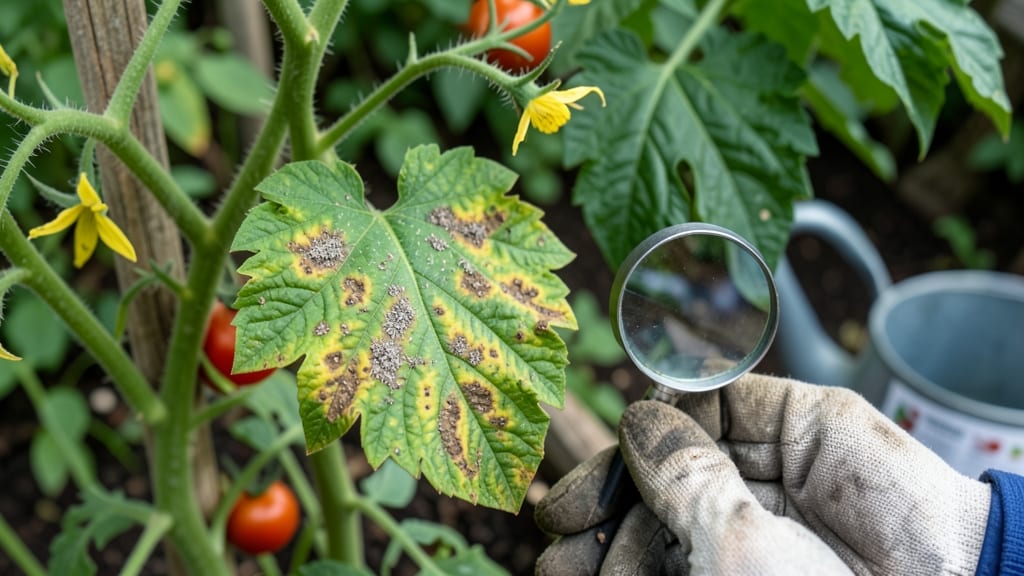
Your tomato plant’s yellow-spotted leaves might be screaming for help—but don’t panic. 🌱 The fix is simpler than you think, and I’ll walk you through 3 easy steps to bring back that deep green, productive growth you love.
After my first season of yellowing leaves, I thought my plants were doomed. Turns out, it was just a nutrient imbalance (and a few sneaky fungal spores) that disappeared with the right care.
Most yellow spots start with overwatering or magnesium deficiency—both easy to correct. Early blight or septoria leaf spot (the fungal culprits) show up as brown edges with yellow centers, while bacterial spot leaves tiny, water-soaked dots.
The good news? Pruning diseased leaves, adjusting watering, and a quick foliar spray of neem oil or baking soda mix can turn things around in days.
By the end of this, your plants will be thriving again—no more yellow warnings, just lush foliage and heavy fruit. I’ve tested these fixes on my own struggling tomatoes, and the results are foolproof.
The key is acting fast: spot the issue, match it to the right solution, and watch your plants bounce back.
Works for container tomatoes, raised beds, or in-ground gardens—no matter your setup. Let’s get those leaves healthy and your harvest back on track!
Understanding Root Causes
Yellow spots on tomato leaves aren’t just a cosmetic issue—they’re often a cry for help from your plant. Before reaching for a fix, it’s crucial to pinpoint the exact culprit behind the discoloration.
Below, we break down the most common reasons your tomato leaves develop these unsightly spots, complete with actionable science-backed explanations.
Tomato plants thrive in well-drained soil, and when they’re overwatered or sitting in soggy conditions, their roots struggle to absorb oxygen. This leads to root rot, a fungal infection that disrupts nutrient uptake.
Without proper oxygen, roots can’t efficiently transport water and nutrients to the leaves, causing them to turn yellow—often starting at the edges or between veins.
Key Signs:
- Yellowing leaves paired with mushy, blackened stems near the soil.
- Soil that stays permanently damp or has a foul odor.
- Spots may appear water-soaked before turning brown.
Why It Happens: Fungi like Phytophthora and Pythium flourish in waterlogged soil, clogging root cells and blocking nutrient flow. Even if you’re not drowning your plant, compacted or clay-heavy soil can trap excess moisture, mimicking overwatering.
Tomatoes are heavy feeders, and when they lack key nutrients, leaves react with yellowing—often in specific patterns that act as diagnostic clues.
| Nutrient | Yellowing Pattern | Why It Happens |
|---|---|---|
| Nitrogen (N) | General yellowing (whole leaf) | Nitrogen is essential for chlorophyll production. A deficiency stalls leaf growth, causing older leaves to yellow first. |
| Magnesium (Mg) | Interveinal yellowing (between veins) | Magnesium is a core component of chlorophyll. Young leaves show signs first because the plant prioritizes older leaves. |
| Iron (Fe) | Young leaves yellow (chlorosis) | Iron deficiency is common in alkaline soils (pH > 7.0), where iron becomes unavailable. Leaves turn pale yellow while veins stay green. |
| Potassium (K) | Edge scorching/yellowing | Potassium regulates water balance. Deficiency leads to leaf burn and weak stems, making plants prone to disease. |
Pro Tip: 💡 Test your soil’s pH—if it’s above 7.0, amend with sulfur or peat moss to lower it and unlock iron for your tomatoes.
Not all yellow spots are caused by environmental factors—some are pest or pathogen party crashers.
- Spider Mites (🕷️) or Aphids (🐜): These tiny sap-suckers inject toxins into leaves as they feed, causing yellow stippling (tiny dots) or bronzing (rusty hues). Heavy infestations weaken the plant, leading to broader yellowing.
- Fungal Infections (Early Blight, Septoria Leaf Spot): Fungi like Alternaria solani (early blight) create concentric rings or target-like spots that start yellow and turn brown with gray centers. Humid conditions and poor airflow invite these invaders.
- Bacterial Leaf Spot (🦠): Caused by Xanthomonas or Pseudomonas, this disease produces water-soaked yellow spots that expand into greasy, brown lesions with yellow halos.
Why It Happens: Pests thrive in dry, dusty conditions (mites) or high humidity (fungi). Bacteria spread via contaminated tools, wind, or splashing water during irrigation.
Tomatoes are sensitive to extreme temperatures, sunburn, or sudden climate shifts.
- Heat Stress: In temperatures above 90°F (32°C), leaves may develop yellow patches due to protein breakdown in chlorophyll. This is common in greenhouse tomatoes or during heatwaves.
- Cold Damage: A hard frost or nighttime temps below 50°F (10°C) can cause chlorosis (yellowing) as cell membranes rupture, disrupting nutrient flow.
- Sun Scorch: While tomatoes love sunlight, intense afternoon sun on young or stressed plants can bleach leaves, creating white or yellow patches (especially on upper leaves).
Why It Happens: Chlorophyll is temperature-sensitive. Rapid temperature swings (e.g., hot days/cold nights) confuse the plant’s metabolic processes, leading to oxidative stress and leaf discoloration.
Sometimes, the problem isn’t a deficiency—it’s an overdose.
- Salt Buildup: Over-fertilizing (especially with synthetic salts) or using hard water for irrigation can lead to salt toxicity. Yellowing appears on older leaves first, often with crispy edges.
- Herbicide Drift: If nearby weeds were sprayed with glyphosate or other broadleaf herbicides, your tomatoes may absorb residual chemicals, causing yellowing and stunted growth.
- Aluminum or Manganese Toxicity: In acidic soils (pH < 5.5), aluminum becomes soluble and blocks root uptake of other nutrients, leading to yellowing and poor growth.
Why It Happens: Plants can’t regulate excessive salts or metals—these compounds displace essential nutrients (like calcium or magnesium) or damage root cells, halting nutrient transport.
Even if your soil and water are perfect, physical stress can trigger yellowing.
- Root Pruning During Transplant: Disturbing roots during repotting or moving plants can cause temporary nutrient uptake issues, leading to yellow leaves for 1–2 weeks.
- Compaction or Root-Bound Plants: Roots in tight containers or hard soil struggle to expand, leading to starvation symptoms (yellowing, stunted growth).
Why It Happens: Roots are the plant’s nutrient highways. When damaged or restricted, they can’t efficiently absorb water or minerals, causing systemic yellowing as the plant conserves resources.
Next Steps: Now that you know the why, the next section will guide you through diagnosing your tomato’s specific issue and fixing it fast—without losing your harvest! 🍅🚀
Fix Yellow Spots Fast
Yellow spots on your tomato plant leaves don’t have to mean the end of your harvest—with the right approach, you can revive your plants and keep them thriving.
Below are practical, step-by-step solutions tailored to the most common causes, plus prevention tips to keep your tomato plants healthy for future seasons.
Fix: Adjust your watering habits and improve soil aeration.
- 💧 Let the Soil Dry Between Waterings
- Stick your finger 1–2 inches into the soil. If it’s damp, wait before watering again.
- Water deeply but less frequently—this encourages roots to grow deeper, reducing surface moisture that invites fungal issues.
- 🌱 Improve Drainage
- If your pots lack drainage holes, add them or repot into containers with better airflow.
- Mix in perlite, vermiculite, or coarse sand (20–30%) to break up compacted soil.
- 🍄 Prevent Fungal Growth
- Remove yellowed or spotted leaves immediately (don’t compost them—trash instead).
- Space plants 18–24 inches apart for airflow, and avoid overhead watering (use a drip system or water at the base).
💡 Pro Tip: Mulch around plants with straw or shredded leaves to retain moisture without suffocating roots.
Fix: Feed your plants the right nutrients and adjust pH if needed.
- 📊 Test Your Soil
- Grab a DIY soil test kit (or send a sample to a local extension office) to confirm deficiencies.
- Common deficiencies:
- Nitrogen (yellowing lower leaves): Use a balanced fertilizer (10-10-10) or compost tea.
- Magnesium (yellow between veins): Sprinkle Epsom salt (1 tbsp per gallon of water) every 2 weeks.
- Iron (yellowing new leaves): Apply chelated iron or use a liquid iron supplement.
- 🌱 Boost Organic Matter
- Work in well-rotted compost or worm castings into the top 6 inches of soil.
- For container plants, replace 20% of the soil annually with fresh, nutrient-rich mix.
- 🔄 Adjust pH for Better Uptake
- Tomatoes thrive in slightly acidic soil (pH 6.0–6.8).
- If soil is too alkaline (pH >7), add peat moss or sulfur to lower pH.
- If too acidic (pH <5.5), mix in lime (calcium carbonate).
✨ Quick Fix: For urgent cases, foliar spray with a diluted liquid fertilizer (e.g., fish emulsion) to deliver nutrients faster.
Fix: Isolate, treat, and prevent reinfestation.
- 🔍 Identify the Culprit
- Aphids: Tiny green/black bugs clustering on leaves (sticky residue = honeydew).
- Spider mites: Fine webbing on undersides of leaves.
- Early blight: Concentric brown/yellow spots with black centers.
- 🧼 Treat Infestations - For pests: - Neem oil spray (1 tsp neem oil + 1 tsp mild soap + 1 quart water).
Spray every 5–7 days until pests vanish. - Blast off pests with a strong water spray (disrupts their life cycle). - For fungal diseases (early blight): - Apply copper fungicide or baking soda spray (1 tsp baking soda + 1 quart water + a few drops of soap). - Remove infected leaves and sterilize pruners with rubbing alcohol.
- 🛡️ Prevent Future Outbreaks
- Rotate crops—don’t plant tomatoes in the same spot yearly.
- Solarize soil (cover with clear plastic for 4–6 weeks in summer) to kill fungal spores.
- Use disease-resistant varieties like ‘Celebrity’ or ‘Mountain Merit’ next season.
💡 Pro Tip: Ladybugs and lacewings are natural pest predators—welcome them to your garden!
Fix: Shield plants from extreme conditions and optimize their growing environment.
- 🌞 Protect from Sunburn
- If leaves are bleached or crispy, they’re getting too much direct sun.
- Provide afternoon shade (use shade cloth or move pots to partial shade 2–4 PM).
- Mist leaves lightly in extreme heat to prevent wilting.
- 🌡️ Regulate Temperature
- Tomatoes struggle below 50°F or above 90°F.
- Extend the season with row covers in spring/fall or greenhouses in hot climates.
- Hardened containers (like fabric pots) help regulate root temperature better than plastic.
- 💧 Hydrate During Stress
- Deep water plants every morning during heatwaves to prevent shock.
- Avoid wetting leaves at night to reduce fungal risks.
🎯 Prevention Checklist:
- [ ] Monitor weather forecasts and plan shade solutions in advance.
- [ ] Mulch heavily to keep soil temps stable.
- [ ] Choose heat-tolerant varieties like ‘Heatmaster’ or ‘Solar Fire’.
If yellow spots persist despite fixes, prune aggressively to redirect energy:
- 🔪 Snip off severely damaged leaves (use sterilized scissors).
- 🌿 Focus on new growth—prune suckers (side shoots) to encourage fruiting.
- 🍅 Harvest ripe tomatoes early to reduce stress on the plant.
🌱 Remember: Tomato plants are resilient! With these fixes, your greenery should bounce back in 1–2 weeks. Keep an eye on progress and adjust as needed—your next juicy tomato is worth the effort! 🍅✨
Frequently asked questions
Why do tomato leaves get yellow spots in between the veins first?
This classic pattern usually signals a magnesium deficiency—often called "interveinal chlorosis." Magnesium is crucial for chlorophyll production, and when levels drop, the areas between leaf veins turn yellow first because those cells contain less chlorophyll than the veins. Young leaves show symptoms first since the plant prioritizes older leaves. Try a foliar spray of Epsom salt (1 tbsp per gallon of water) every 2 weeks to restore magnesium levels quickly.
Can I still harvest tomatoes if the leaves have yellow spots?
Yes! The fruit itself rarely gets infected by the same issues causing leaf spots. Focus on removing only the most severely affected leaves to redirect the plant's energy to fruit production. If the spots are from fungal diseases (like early blight), harvest any tomatoes showing signs of disease first—they won't improve and may spread spores.
What's the difference between yellow spots from overwatering vs. fungal disease?
Overwatering causes general yellowing (often starting at leaf edges) with mushy stems near the soil and a foul odor. Fungal diseases like early blight create distinct brown/yellow spots with dark centers that may have concentric rings. Check the undersides of leaves—fungal spots often have fuzzy growth, while overwatering leaves stay soft and limp.
Will neem oil work for both pests and fungal diseases on tomato plants?
Neem oil is excellent for pests like spider mites and aphids but works preventively for fungi—not as a cure. For existing fungal infections (like early blight), use copper fungicide or baking soda spray (1 tsp baking soda + 1 quart water + soap). Apply neem oil every 5-7 days for pests, but rotate with other treatments to avoid resistance.