
Companion Plants
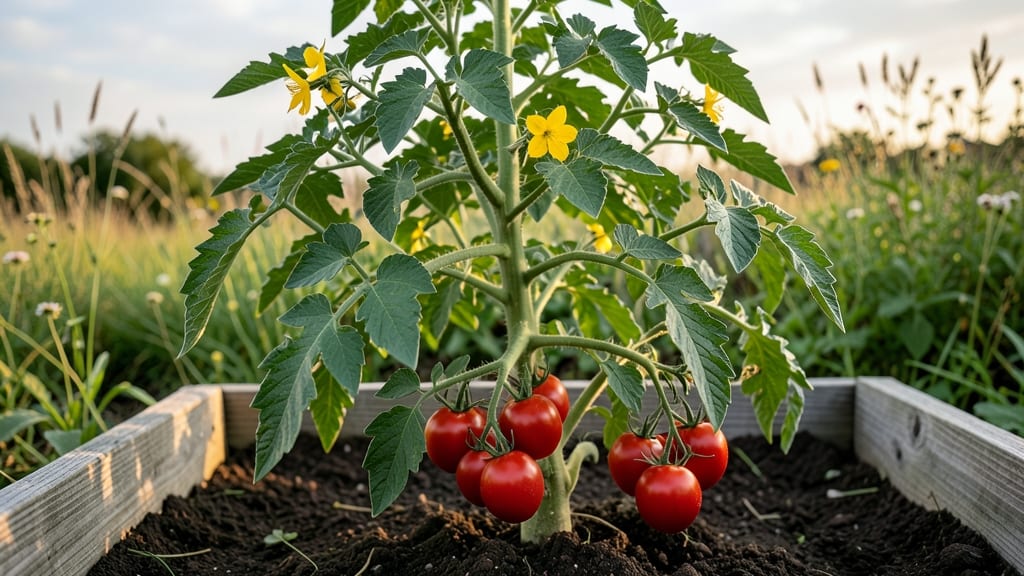
Growing Park Whopper tomato plants means 10-pound fruits that make your neighbors green with envy. 🌱 These beefsteak tomatoes grow into 6-foot-tall bushes that produce fewer but massive, flavor-packed tomatoes—perfect for slicing or grilling. The key? Matching their size with the right soil, support, and sunlight from day one.
This variety thrives in full sun (6+ hours daily) and rich, well-draining soil with a 2.5-3.5 pH. Plant deep—bury two-thirds of the stem—and stake early, since their weight can snap weak supports.
Water consistently at the base (never overhead) to prevent cracking and disease, and feed with balanced fertilizer every 2-3 weeks once flowers appear. By midsummer, you’ll be harvesting beefy, meaty tomatoes with minimal seeds—ideal for sandwiches or burgers. The trade-off?
They take longer to mature (85-90 days) but reward with unmatched size and taste. Just watch for blossom end rot (calcium deficiency) and tomato hornworms—common foes of big tomatoes. Works best in zones 4-10 with proper winter protection in cooler areas.
Start seeds indoors 6-8 weeks before last frost for the best results. Ready to grow a tomato that steals the show?
📚 In This Guide
- What you need
- Instructions
- Tips and common mistakes
- Wrapping up and next steps
What you need
- ● Park Whopper tomato seeds or seedlings: 3–5 plants (for a small garden) or 6+ (for larger harvests). Choose disease-resistant varieties if available.
- ● Growing containers or garden bed: Containers: 5-gallon pots or larger (1 plant per container). Ensure pots have drainage holes.
- ● Garden bed: Full sun (6–8+ hours daily) with well-draining soil. Space plants 24–36 inches apart.
- ● High-quality potting mix or garden soil: Rich in organic matter (compost or aged manure). Avoid heavy clay soil.
- ● Tomato cages or stakes: 5–6 ft tall (1 per plant). Opt for sturdy, rust-resistant options.
- ● Balanced fertilizer: 10-10-10 or organic options like compost tea. Follow package instructions for application.
- ● Mulch: Straw or shredded leaves (2–3 inches thick) to retain moisture and suppress weeds.
- ● Watering can or hose with a gentle spray nozzle: For consistent moisture without damaging stems.
- ● Pruning shears: For trimming suckers and shaping plants.
- ● Plant supports: Trellis or tomato clips for additional stability.
- ● Drip irrigation system: For automated, efficient watering.
- ● Companion plants: Basil, marigolds, or borage to deter pests and boost growth.
- ● Row covers: For early-season protection from frost or pests.
Step-by-Step instructions for growing Park Whopper tomato plants
Here's how to coax those legendary Park Whopper vines into producing pound-plus tomatoes—with minimal fuss and maximum flavor.
🌱 Step 1: Select the Perfect Planting Spot
Park Whoppers thrive in full sun—at least 8 hours daily—so scout your yard for the warmest, sunniest location. I always check for morning sun exposure first, as afternoon shade helps prevent sunscald on ripe fruit. Avoid low spots where cold air pools, as these plants hate temperatures below 50°F. If your garden gets hotter than 90°F, provide afternoon shade to protect the fruit from cracking.
Amend the soil with 2-3 inches of compost mixed into the top 12 inches of soil. Park Whoppers need well-draining, fertile soil with a pH between 6.0 and 6.8. If your soil is heavy clay, add sand or perlite to improve drainage. The reason? These plants produce massive vines and fruit, so compacted soil will stunt their growth. Test your soil a month before planting—you can’t rush this prep.
🪴 Step 2: Plant Deeply for Strong Roots
Dig a hole twice as wide as the root ball but no deeper—Park Whoppers grow determinate, meaning they stay compact but need strong anchoring. Remove the plant from its container and loosen the roots gently if they’re circling. This prevents root-bound stress later. Place the plant so the lowest set of leaves sits 1-2 inches below soil level. The buried stem encourages additional root growth, which supports those heavy tomatoes. Real talk: Skipping this step means weaker stems and more broken branches when fruit swells.
Backfill with the amended soil, pressing lightly to remove air pockets. Water deeply until moisture reaches 12 inches down—this helps roots establish quickly. Mulch with 2-3 inches of straw or shredded leaves to retain moisture and suppress weeds. Keep the mulch 2 inches away from the stem to prevent rot. Water again in 3-4 days to encourage root spread into the surrounding soil.
☀️ Step 3: Provide Support and Prune Strategically
Install a strong cage or stake (at least 5 feet tall) immediately after planting. Park Whoppers grow bushy but top-heavy, so flimsy supports will collapse under the weight. I use heavy-duty tomato cages buried 6 inches deep for stability. If using stakes, tie the main stem with soft cloth strips (never wire—it cuts into the plant). Prune suckers (the small shoots in the leaf axils) weekly to redirect energy into fruit production. Leave 2-3 suckers near the top to encourage bushiness, but remove the rest—this prevents overcrowding and improves airflow.
When flowers appear, remove the first few to encourage stronger growth. This might seem counterintuitive, but it lets the plant focus energy on larger, healthier fruit later. Once fruit sets, prune lower leaves to improve airflow and reduce disease risk. Park Whoppers produce fruit in clusters, so focus on keeping those clusters sun-exposed and dry. A quick check: If leaves stay damp for more than 2 hours, you’re overwatering or have poor airflow.
💧 Step 4: Water Deeply and Consistently
Water deeply 1-2 times per week, aiming for 1-1.5 inches of water per session. Shallow watering leads to weak roots and blossom-end rot. I water early in the morning to reduce evaporation and fungal risks. Let the top 2 inches of soil dry between waterings—this prevents root rot while keeping the plant hydrated. Park Whoppers hate moisture stress, so mulch helps retain humidity without soggy soil. If your area gets hotter than 85°F, water every other day and check soil moisture daily.
Watch for yellowing leaves—this often means overwatering or poor drainage. If the soil feels muddy to the touch, cut back on water. Underwatering shows as wilting leaves that don’t recover by evening. The key is consistency: Park Whoppers thrive with steady moisture, not sporadic soakings. A simple test: Stick your finger 2 inches into the soil—if it’s dry, water. If it’s damp, wait.
✂️ Step 5: Harvest and Maintain for Continuous Production
Harvest when tomatoes are fully colored and slightly soft to the touch—this ensures peak flavor and prevents cracking. Park Whoppers produce fruit in waves, so pick every 2-3 days during peak season. Use garden shears or a sharp knife to avoid damaging the stem. The more you harvest, the more the plant produces—don’t let fruit overripe on the vine, or the plant will slow down. Store ripe tomatoes at room temperature for 2-3 days or refrigerate for longer storage (though flavor declines).
Fertilize every 3-4 weeks with a balanced 10-10-10 or tomato-specific fertilizer after the first fruit sets. Too much nitrogen early leads to leafy growth and few tomatoes. Switch to a low-nitrogen, high-phosphorus fertilizer (like 5-10-10) when flowers appear. Prune yellow or diseased leaves immediately to protect the plant. By late summer, reduce watering slightly to harden off the plant—this concentrates sugars in the remaining fruit for sweeter, richer tomatoes.
Tips & tricks for perfect Park Whopper tomato plants
These game-changing strategies will help you grow those legendary pound-plus tomatoes with minimal effort and maximum success.
Sun Exposure Strategy: In Step 1, when selecting your planting spot, prioritize locations with morning sun exposure—this is where the magic happens. The intense morning sunlight helps prevent sunscald on ripe fruit while giving the plants the energy boost they need. If your area gets hotter than 90°F, consider using shade cloth (30-50%) during peak afternoon hours to protect those developing tomatoes from cracking. The goal is to maintain temperatures between 50°F and 90°F for optimal growth.
Root Development Secret: The deep planting technique in Step 2 isn't just about burying stems—it's about creating a strong root system that can support those massive fruits. When loosening circling roots, be gentle but thorough. I've found that using a root stimulator (like mycorrhizal fungi) at planting time can boost root growth by 30%, leading to healthier plants that produce more consistently. This extra effort pays off when your vines can handle those pound-plus tomatoes without collapsing.
Pruning Precision: In Step 3, when removing suckers weekly, focus on the ones growing below the first flower cluster—these are the ones that will drain energy from fruit production. The 2-3 suckers you leave near the top help maintain the plant's bushy shape while keeping the main stem strong. Pro tip: Use sharp pruning shears and make clean cuts just above a leaf node. I've seen gardeners accidentally tear stems when using dull tools, which creates entry points for diseases.
Watering Wisdom: The deep watering technique in Step 4 is crucial, but timing matters just as much. Watering early in the morning (between 6-9 AM) gives the plants time to absorb moisture before the heat of the day. If you must water in the evening, finish at least 2 hours before sunset to prevent fungal growth. During heatwaves above 85°F, I increase my watering frequency to every other day but check soil moisture daily—dry soil at 2 inches deep is the signal to water, not a rigid schedule.
Pro Tips for Park Whopper Tomato Plants
- These game-changing strategies will help you grow those legendary pound-plus tomatoes with minimal effort and maximum success.
- Sun Exposure Strategy: In Step 1, when selecting your planting spot, prioritize locations with morning sun exposure—this is where the magic happens.
- Root Development Secret: The deep planting technique in Step 2 isn't just about burying stems—it's about creating a strong root system that can support those massive fruits.
Frequently asked questions
Got questions about growing Park Whopper tomato plants? You’re not alone! Here are some of the most common queries—plus straightforward answers to help you grow like a pro.
How big do Park Whopper tomato plants get?
These beauties can reach 4–5 feet tall with sprawling vines up to 3–4 feet wide. They’re indeterminate, meaning they’ll keep growing (and producing!) until frost. Use sturdy cages or trellises to support their weight—think Jenga tower for tomatoes!
When is the best time to plant Park Whopper tomatoes?
Start seeds 6–8 weeks before your last frost date (indoors, under grow lights). Transplant seedlings after soil warms to 55°F+ and night temps stay above 50°F. For most climates, mid-to-late spring is ideal. Pro tip: Harden off seedlings gradually to avoid shock!
What’s the secret to heavy yields with Park Whopper tomatoes?
These plants thrive on consistent watering (1–2 inches per week) and balanced fertilizer (high in phosphorus early on, then potassium for fruiting). Prune suckers regularly to boost air circulation and redirect energy to fruit production. Oh, and pinch off early blossoms if seedlings are small—let them focus on vines first!
How do I prevent pests and diseases in Park Whopper tomatoes?
Keep an eye out for hornworms, aphids, and fungal spots. Use neem oil or insecticidal soap for pests, and space plants 18–24 inches apart for airflow. Remove diseased leaves immediately, and avoid overhead watering. Companion plants like basil or marigolds can also deter pests naturally!
Can I grow Park Whopper tomatoes in containers?
Just choose a 5-gallon+ pot with drainage holes and fill it with lightweight potting mix. Use a trellis or tomato cage to support the vines, and fertilize regularly since container soil drains faster. Bonus: Containers let you move plants to optimal sunlight as needed!
Wrapping up and next steps
Growing Park Whopper tomato plants is a rewarding journey that delivers bushy vines and heavy harvests—perfect for gardeners craving sun-loving, high-yield varieties! 🌱 With the right companion plants, soil prep, and care, you’ll enjoy juicy, flavorful tomatoes all season long.
Whether you’re a beginner or a seasoned pro, these tips ensure your garden thrives under the sun.
Ready to dig in? Start by planting your seeds or seedlings this spring, and soon you’ll be celebrating a bountiful harvest! 🍅 Next up: Mark your calendar for transplanting and watch your garden grow!