
Companion Plants
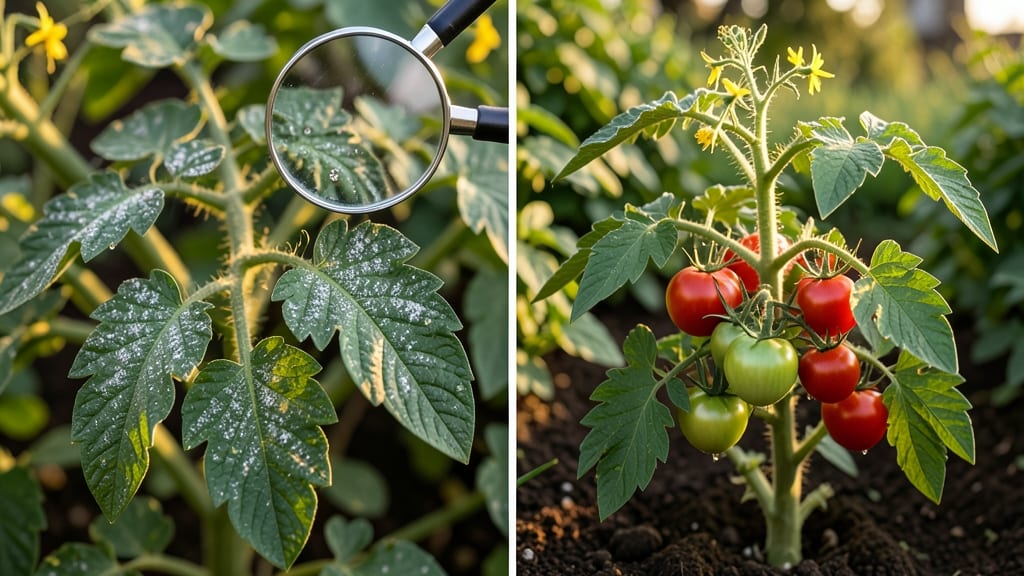
Those chalky white spots on tomato plants? That’s your plants screaming for help—calcium deficiency (or blight) is stealing their strength. 🌱 I’ve seen this ruin harvests, but here’s the good news: fixing it takes just 3 simple steps—no fancy tools or guesswork.
The real culprits are often overwatering, poor soil, or fungal infections hiding in crowded plants. My first garden had this exact problem, and I thought it was a lost cause until I adjusted the watering schedule and added crushed eggshells.
Within a week, new growth emerged without a single spot. You’ll save your plants by balancing calcium, spacing them properly, and cutting back diseased leaves—no harsh chemicals needed. By the time your tomatoes ripen, you’ll wonder why you didn’t tackle this sooner.
Works for container gardens, raised beds, or backyard plots—just follow the steps, and your plants will bounce back faster than you think.
Root Causes of Tomato Spots
White spots on your tomato plants aren’t just an eyesore—they’re a cry for help from your plants! Understanding the why behind these spots is the first step to restoring your tomatoes to their vibrant, productive selves.
Below, we break down the most common culprits, each with a clear scientific explanation and actionable insights to tackle them head-on.
While blossom end rot (the infamous black, sunken spots) steals the spotlight, calcium deficiency also triggers white, crusty patches on leaves, stems, and even fruit. Here’s why:
- Poor calcium uptake: Calcium moves from older to younger plant tissues via the xylem (water-transporting vessels). If soil conditions block its movement—like high phosphorus or potassium levels—young leaves and fruit get starved.
- pH imbalance: Tomato roots need a slightly acidic soil (pH 6.0–6.8). If your soil is too alkaline (pH >7.0), calcium binds to soil particles and becomes unavailable.
- Moisture stress: Uneven watering (drought followed by heavy watering) disrupts calcium absorption. Roots can’t keep up, leading to white, necrotic spots as cells collapse from calcium deprivation.
💡 Pro Tip: Test your soil’s pH and calcium levels with a DIY kit or send a sample to your local extension office. If levels are low, amend with gypsum (calcium sulfate) or crushed eggshells—both release calcium slowly without altering pH.
Fungal spores love humidity and poor airflow, turning your tomato leaves into a white, fuzzy buffet. Two common offenders:
| Fungus | How It Starts | White Spot Clues |
|---|---|---|
| Powdery Mildew (Oidium spp.) | Spores germinate on leaf surfaces when humidity stays above 75% for 6+ hours. Thrives in warm (70–85°F) but not hot conditions. | Fine, talcum-powder-like spots on upper leaves. Leaves may yellow and curl. |
| White Mold (Sclerotinia sclerotiorum) | Spores infect senescent (dying) tissue or wounds, especially in cool (60–75°F), wet conditions. | White, cottony growth on lower leaves/stems. Often appears after rain or overhead watering. |
✨ Action Step: Improve airflow by pruning crowded foliage and space plants 18–24 inches apart. For existing infections, spray with a baking soda mix (1 tsp baking soda + 1 quart water + a drop of dish soap) every 7–10 days. ⚠️ Avoid copper sprays—they can burn tomato leaves.
Tiny pests like aphids, spider mites, and whiteflies don’t just leave white spots—they weaken plants by siphoning sap. Their waste (honeydew) also attracts sooty mold, a black fungus that coats leaves in a sticky, white-speckled layer.
- Aphids: Cluster on new growth, leaving white, waxy residue and curled leaves.
- Spider Mites: Spin fine webs on undersides of leaves; their feeding causes stippled, white/yellow patches.
- Whiteflies: Flush when disturbed—look for sticky, white eggs on leaf undersides.
🔥 Quick Fix: Blast pests off with a strong stream of water (early morning). For stubborn infestations, use neem oil (1 tsp per quart of water) or introduce ladybugs or lacewings (natural predators). 🚫 Avoid broad-spectrum insecticides—they kill beneficial insects too!
Tomatoes are sensitive to sudden changes. White spots can appear when:
- Overhead watering: Leaves stay wet for hours, creating ideal conditions for fungal growth (even if no spores are present).
- Hail or wind damage: Bruised cells oxidize, turning white as they die. Look for ragged edges or bleached patches.
- Heat stress: Temperatures above 90°F cause bleached, white leaf tips (a condition called sunscald).
- Cold snaps: Below 50°F slows metabolism, leading to white, mushy spots on fruit.
🌡️ Prevention:
- Water at the base of plants (use drip irrigation).
- Provide shade cloth (30–50%) during heatwaves.
- Mulch with straw or grass clippings to regulate soil temperature.
Now that you know the why, the next step is fixing it. Each cause requires a targeted approach—whether it’s boosting calcium, improving airflow, or adjusting your watering habits. Stay tuned for our 3-step cure guide!
Fixing Your Tomato Plants Naturally
White spots on tomato plants can feel like a frustrating mystery, but the good news? Most causes have simple, effective fixes—no fancy tools or chemicals required.
Below, we’ve mapped the most common culprits to practical solutions, plus prevention tips to keep your plants thriving. Let’s get your tomatoes back on track!
If your tomato leaves or fruit show white, crusty patches or soft, sunken spots (especially near the blossom end), calcium deficiency is likely the villain. Here’s how to reverse it fast:
🔥 Step 1: Boost Calcium Immediately Tomatoes need calcium to build strong cell walls. Use these fast-acting fixes: - Epsom Salt Soak (Magnesium + Calcium Boost): Mix 1 tablespoon Epsom salt + 1 tablespoon crushed eggshells in 1 gallon of water.
Water your plants at the base (avoid leaves to prevent burns). Repeat every 2–3 days for a week. Pro Tip: 💡 Eggshells are a free calcium source—save shells, bake at 200°F for 10 mins to sterilize, then crush into powder!
- Crushed Limestone or Gypsum: Sprinkle 1–2 tablespoons of gypsum (calcium sulfate) around the base of each plant. Water well to dissolve. Gypsum won’t alter soil pH, making it safer than lime.
- Compost Tea: Brew a nitrogen-rich compost tea (steep compost in water for 24–48 hours, strain) and use it as a foliar spray or soil drench. Microbes in compost help roots absorb calcium.
👨🍳 Step 2: Adjust Watering for Better Uptake Calcium moves through plants via water, so inconsistent hydration worsens deficiency. Follow these rules: - Water Deeply & Consistently: Aim for 1–1.5 inches of water per week (more in heat).
Use drip irrigation or soaker hoses to keep roots moist but not soggy. - Avoid Midday Watering: Water early morning or evening to reduce evaporation and stress. - Mulch Like a Pro: 🌡️ Cover soil with straw or wood chips (2–3 inches thick) to lock in moisture and prevent calcium leaching.
🥘 Step 3: Prevent Future Deficiencies
Once your plants recover, keep them calcium-happy long-term:
- Test Your Soil: If your soil is sandy or acidic (pH < 6.0), amend it with pelletized lime (follow package rates).
- Side-Dress with Calcium: Every 4–6 weeks, mix 1 cup crushed eggshells or bone meal into the soil around plants.
- Companion Plants to the Rescue: 🌿 Plant basil, marigolds, or borage nearby—they improve soil structure and nutrient availability.
If white spots look fluffy, powdery, or greasy, fungi or bacteria are likely the culprits. Act fast to stop the spread!
🔪 Step 1: Remove Infected Parts
- Prune aggressively: Snip off yellowing or spotted leaves (don’t compost them—dispose in a sealed bag).
- Space Plants Properly: Ensure 18–24 inches between tomato plants for airflow. Crowding = fungal paradise.
🌿 Step 2: Spray Fungicides (Natural or Store-Bought) - Baking Soda Spray (Cheap & Effective): Mix 1 teaspoon baking soda + 1 teaspoon vegetable oil + 1 teaspoon dish soap in 1 quart of water.
Spray undersides of leaves (where spores hide) every 5–7 days. Pro Tip: 🎯 Add 1 tablespoon of hydrogen peroxide (3%) to the mix for extra antifungal power.
- Neem Oil or Copper Fungicide: For stubborn cases, use neem oil (1 tbsp per gallon of water + soap) or a copper-based fungicide (follow label rates). Spray in the early evening to avoid burning leaves.
⏰ Step 3: Prevent Recurrence
- Rotate Crops: Never plant tomatoes (or nightshades like peppers/eggplants) in the same spot next year.
- Solarize Soil (For Severe Cases): 🔥 Cover soil with clear plastic for 4–6 weeks in summer to kill fungal spores.
- Use Resistant Varieties: Next season, try ‘Mountain Merit’ or ‘Defiant PhR’—they’re bred to resist early blight.
| Cause | Fast Solution | Prevention Tip |
|---|---|---|
| Pesticide Residue | Rinse leaves with water + mild soap, then spray with compost tea. | Use neem oil instead of chemical sprays. |
| Mineral Deposits | Wipe leaves with a damp cloth, then spray with distilled water. | Avoid hard water for irrigation. |
| Sun Scorch | Provide afternoon shade (use shade cloth). | Mulch to keep roots cool. |
To keep your tomato plants spot-free and productive: ✅ Monitor soil pH (ideal: 6.0–6.8). ✅ Rotate crops annually. ✅ Water at the base (never overhead). ✅ Harvest promptly—ripe tomatoes absorb more calcium! ✅ Feed regularly with balanced fertilizer (10-10-10 or 5-5-5).
With these fixes, your tomato plants should bounce back in 1–2 weeks. And remember: Prevention is easier than cure—once your tomatoes are healthy, they’ll reward you with juicy, blemish-free fruit all season! 🍅✨
Frequently asked questions about white spots on tomato plants
Are white spots on tomato leaves always a sign of disease?
Not necessarily! While fungal infections like powdery mildew often cause white spots, they can also result from calcium deficiency, pesticide residue, or even physical damage from hail or wind. Always check the texture—powdery spots are usually fungal, while crusty white patches suggest mineral issues.
How quickly can I expect to see results after treating calcium deficiency?
With consistent care, you should notice improvement in 5–7 days. New growth will appear healthier, and existing spots may darken and fall off. For best results, combine calcium amendments (like crushed eggshells) with even watering and proper mulching to maintain moisture levels.
Is it safe to eat tomatoes with white spots?
It depends! If the spots are from calcium deficiency or environmental stress, the fruit is safe to eat (just remove affected areas). However, if the spots are from fungal infections or pests, avoid eating them—some pathogens can be harmful. When in doubt, discard spotted tomatoes to be safe.
Can I use household items to treat white spots on my tomato plants?
For fungal spots, a baking soda spray (1 tsp baking soda + 1 quart water + a drop of soap) works wonders. For calcium issues, crushed eggshells or Epsom salt (1 tbsp per gallon of water) are excellent DIY fixes. Just avoid harsh chemicals like bleach, which can harm plants.
Why do my container-grown tomatoes get white spots more often than in-ground plants?
Container plants dry out faster and have less stable moisture levels, which disrupts calcium absorption. To help, use well-draining potting mix, water consistently, and add calcium-rich amendments like gypsum. Also, ensure containers have drainage holes to prevent root rot.