
Companion Plants
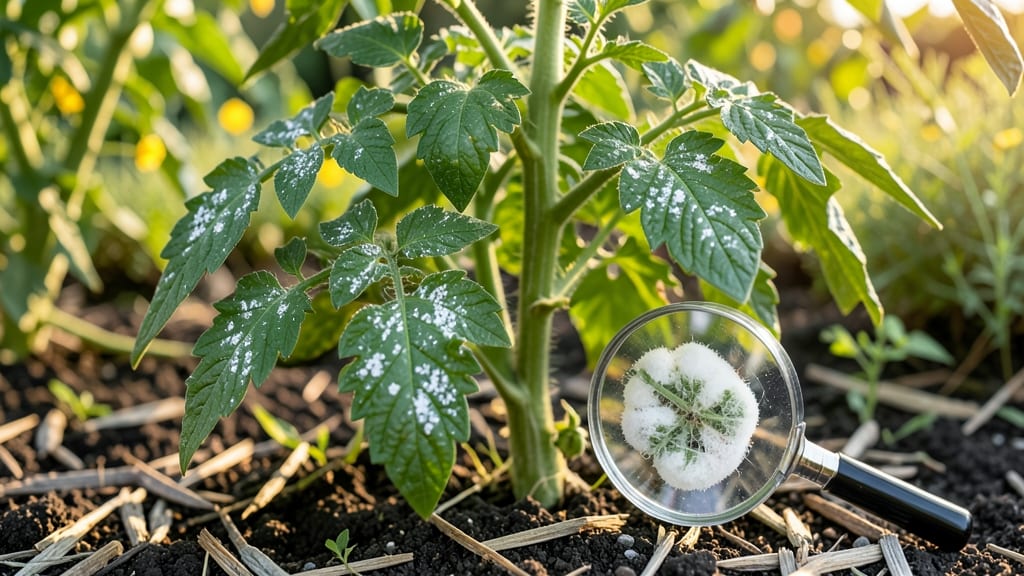
Seeing your tomato plant leaves going white isn’t just unsightly—it’s a cry for help from your plants. 🌱 I’ve seen this happen in my own garden, and while it might look like a lost cause, the right steps can bring them back to vibrant green in just days.
The culprit is often fungal blight, but it could also be stress from overwatering or pests hiding in plain sight.
Most gardeners assume white leaves mean the plant is dying, but with copper spray, you can stop the spread and restore health. The key is acting fast—once the white powdery coating spreads, it’s harder to reverse.
I’ve used a simple homemade mix of copper sulfate and water to treat my plants, and within a week, they were back to their usual lush selves.
You’ll want to check for other signs like yellowing leaves or stunted growth, as these can point to different issues. Removing affected leaves immediately and improving airflow around your plants makes a huge difference.
A little prevention—like spacing plants properly and avoiding overhead watering—goes a long way in keeping your tomatoes thriving.
This method works for both backyard gardens and container-grown tomatoes, so don’t let a few white leaves discourage you. With the right care, your plants will bounce back stronger than ever, and you’ll be harvesting juicy tomatoes in no time.
Underlying Causes Of White Tomato Leaves
When your tomato plant’s leaves start turning white, it’s usually a distress signal from the plant—often triggered by environmental stress, pests, or pathogens. Below are the most common culprits behind this discoloration, explained in scientific detail so you can diagnose and act fast.
Tomatoes thrive in warm weather, but excessive heat (above 90°F/32°C) combined with intense sunlight can cause sun scorch. This happens when:
- Photosynthesis overload: Too much light energy damages chlorophyll, leading to white or bleached patches (especially on upper leaves).
- Water loss acceleration: Heat increases transpiration, but if roots can’t supply enough water, leaves dry out and turn white at the edges.
- Common in: Greenhouses, plastic-covered beds, or after sudden heatwaves.
💡 Pro Tip: Provide afternoon shade with shade cloth (30–50%) or mulch heavily to retain soil moisture. Avoid overhead watering during peak sun.
While tomatoes need consistent moisture, waterlogged soil or overwatering disrupts nutrient uptake, leading to white, mushy leaves—a sign of:
- Oxygen deprivation: Roots suffocate in soggy soil, starving the plant of essential minerals like magnesium and nitrogen.
- Fungal invasion: Excess moisture creates the perfect breeding ground for Phytophthora or Pythium, which cause white, crusty lesions.
- Tell-tale signs: Yellowing between leaf veins (chlorosis) followed by white, papery patches.
🔥 Fix It: Test soil moisture with your finger—water only when the top 1–2 inches are dry. Amend heavy clay soil with perlite or compost to improve drainage.
White, powdery, or fuzzy patches on tomato leaves are often the first signs of fungal diseases like powdery mildew or early blight. Here’s how they strike:
- Powdery Mildew (Oidium): A white, talcum-like coating appears on upper leaves, blocking sunlight and stunting growth. Thrives in humid, stagnant air (60–80% humidity).
- Early Blight (Alternaria solani): White or tan concentric rings (target spots) on lower leaves, later turning brown and crispy. Spreads via splashing water or infected debris.
- Copper spray defense: These fungi are sensitive to copper fungicides (like Bordeaux mixture), which disrupt their cell membranes.
✨ Prevention: Space plants for airflow, water at soil level, and remove infected leaves immediately. Rotate crops yearly to break the fungal cycle.
Tiny pests like aphids, whiteflies, or spider mites drain plant sap, causing leaves to turn white or stippled. Their damage triggers:
- Toxin buildup: As pests feed, they inject saliva that disrupts chlorophyll production, leading to white, crinkled patches.
- Secondary infections: Honeydew (sticky residue from aphids) attracts sooty mold, which coats leaves in a white-gray film.
- Where to look: Undersides of leaves, new growth, or near leaf veins.
👨🍳 Quick Action: Blast pests off with a strong stream of water, introduce ladybugs or lacewings, or spray neem oil (1 tsp per liter of water). Repeat every 5–7 days.
White or pale leaves can signal a lack of critical nutrients, especially:
| Nutrient | Deficiency Signs | Cause |
|---|---|---|
| Magnesium | White or yellow patches between veins (interveinal chlorosis), starting on older leaves. | Poor soil pH (<6.0) or excessive potassium/calcium. |
| Nitrogen | Overall pale green/white leaves, stunted growth. | Overwatering leaching nutrients or lack of organic matter. |
| Zinc | White, brittle new leaves with distorted growth. | Compacted or alkaline soil. |
📊 Soil Test First: Use a DIY test kit or send a sample to a lab. Amend soil with Epsom salt (magnesium sulfate), compost, or chelated nutrients as needed.
Quick Fixes for White Tomato Leaves
If your tomato plant’s leaves are turning white, don’t panic—there are practical steps you can take to restore their health and prevent further damage. The key is identifying the root cause (whether it’s fungal blight, nutrient deficiency, or environmental stress) and applying the right solution.
Below, we break down actionable fixes for each common culprit, along with tips to keep your plants thriving.
Fungal infections like early blight or late blight are the most common reasons for white or yellowing tomato leaves. Here’s how to tackle them:
🔥 Step 1: Remove Infected Leaves
- Why it works: Fungal spores spread quickly, so pruning infected foliage stops the infection from worsening.
- How to do it: Use clean, sharp pruners to snip off leaves with white spots or lesions. Dispose of them in the trash—not the compost!
- Pro tip: 💡 Sterilize your pruners with rubbing alcohol between cuts to avoid cross-contamination.
🍳 Step 2: Apply Copper Fungicide
- Why it works: Copper disrupts fungal cell walls, halting the spread of blight. It’s organic, safe for edibles, and works preventatively.
- How to do it:
- Mix 1 tablespoon of copper sulfate (or a pre-made copper fungicide) with 1 gallon of water.
- Spray the solution evenly on the top and bottom of leaves, stems, and soil around the base.
- Repeat every 7–10 days until new growth appears healthy.
- Pro tip: 🌡️ Apply in the early morning when humidity is low to prevent fungal growth from the spray itself.
👨🍳 Step 3: Improve Airflow & Watering Habits
- Why it works: Fungi thrive in damp, stagnant conditions. Better airflow and smarter watering reduce humidity around leaves.
- How to do it:
- Space plants 18–24 inches apart for optimal airflow.
- Water at the base (not overhead) and early in the day so leaves dry quickly.
- Avoid mulching too close to the stem—keep it 2–3 inches away to prevent moisture buildup.
⏰ Step 4: Prevent Recurrence with Crop Rotation
- Why it works: Fungal spores linger in soil, so rotating crops breaks the cycle.
- How to do it: Plant tomatoes in a different spot next year (or wait 3 years before replanting in the same area).
- Pro tip: ✨ Add compost or aged manure to the soil before replanting to boost microbial activity and suppress fungi naturally.
White or pale leaves can also signal a lack of essential nutrients. Here’s how to diagnose and treat deficiencies:
📊 Step 1: Test Your Soil
- Why it works: A soil test reveals imbalances (e.g., low nitrogen, magnesium, or zinc) causing discoloration.
- How to do it:
- Buy a DIY soil test kit (available at garden centers) or send a sample to a local extension office.
- Look for pH levels (tomatoes prefer 6.0–6.8) and nutrient percentages.
💪 Step 2: Add the Right Fertilizer
- Why it works: Targeted nutrients reverse deficiencies and restore leaf color.
- How to do it:
- For nitrogen deficiency (pale green/yellow leaves):
- Apply a balanced fertilizer (e.g., 10-10-10) or compost tea.
- Side-dress with alfalfa meal (high in nitrogen).
- For magnesium deficiency (white patches between veins):
- Sprinkle Epsom salt (magnesium sulfate) around the base (1 tablespoon per plant).
- Water thoroughly to dissolve.
- For zinc deficiency (white spots on new growth):
- Use a zinc sulfate spray (1 teaspoon per gallon of water) or a chelated zinc fertilizer.
- For nitrogen deficiency (pale green/yellow leaves):
- Pro tip: 🎯 Over-fertilizing burns roots! Start with half the recommended dose and monitor progress.
🥗 Step 3: Enhance Soil Health Long-Term
- Why it works: Healthy soil retains nutrients and supports microbial life that helps plants absorb them.
- How to do it:
- Mix in 2–3 inches of compost before planting.
- Plant companion crops like basil (repels pests) or marigolds (suppress soil-borne diseases).
- Avoid synthetic fertilizers—opt for organic amendments like worm castings or fish emulsion.
Too much sun, heat, or improper watering can cause leaves to bleach or turn white. Adjust these factors to revive your plants:
🔪 Step 1: Provide Temporary Shade
- Why it works: Intense sunlight (especially in hot climates) can scorch leaves, making them appear white or papery.
- How to do it:
- Use shade cloth (30–50%) or a lightweight row cover during peak afternoon sun (12 PM–4 PM).
- Place plants in a slightly shaded area (e.g., under a trellis or near a fence) if possible.
💧 Step 2: Adjust Watering Practices
- Why it works: Uneven watering (too much or too little) stresses plants, leading to discoloration.
- How to do it:
- Water deeply but infrequently—aim for 1–1.5 inches per week (including rain).
- Use drip irrigation or soaker hoses to deliver water directly to the roots.
- Avoid wetting leaves to prevent fungal growth (see blight section above).
🌡️ Step 3: Protect from Extreme Heat
- Why it works: Heat stress causes leaves to bleach or develop white tips, especially in varieties like cherry tomatoes.
- How to do it:
- Mulch heavily (2–3 inches) with straw or wood chips to keep roots cool.
- Harvest frequently to reduce stress on the plant.
- Mist leaves lightly in the early morning if temperatures exceed 90°F (32°C).
Once your tomato plant is back on track, follow these habits to prevent white leaves from returning:
- ✅ Inspect plants weekly for early signs of blight or pests. Act fast!
- ✅ Rotate crops annually to prevent soil-borne diseases.
- ✅ Use mulch to retain moisture and regulate soil temperature.
- ✅ Fertilize regularly with a balanced organic fertilizer (every 4–6 weeks).
- ✅ Choose disease-resistant varieties (e.g., ‘Celebrity,’ ‘Mountain Merit,’ or ‘Solar Fire’).
- ✅ Companion plant with basil, marigolds, or onions to deter pests and improve health.
With these fixes, your tomato plant should bounce back with vibrant green leaves—and a bountiful harvest ahead! 🍅🌿
Frequently asked questions
Is it safe to eat tomatoes from a plant with white leaves?
It depends on the cause. If the white leaves are from nutrient deficiency or heat stress, the fruit is usually safe to eat. However, if the issue is fungal disease (like early blight) or chemical contamination (e.g., over-fertilizing), avoid eating the tomatoes. Always wash fruits thoroughly and check for unusual textures or odors.
Can I use household items like baking soda to treat white leaves?
Yes! A baking soda spray can help with fungal issues like powdery mildew. Mix 1 teaspoon of baking soda, 1 teaspoon of vegetable oil, and a drop of dish soap in 1 quart of water. Spray on leaves every 7–10 days. This creates an alkaline environment that fungi dislike. Just avoid using it if your soil is already alkaline (pH >7.0).
Why are my tomato leaves turning white only at the edges?
This is often a sign of overwatering or underwatering stress. If the soil is soggy, roots suffocate and can't absorb nutrients, causing white, crispy edges. If the soil is dry, leaves may curl and turn white from dehydration. Check soil moisture by sticking your finger 1–2 inches deep—water only when it feels dry. Mulching helps maintain even moisture.
How do I know if my tomato plant has a pest problem vs. a fungal issue?
Look closely! Pests like aphids or spider mites leave white, stippled patches and often sticky residue (honeydew). You may also see tiny webs or insects on leaf undersides. Fungal issues (like powdery mildew) appear as powdery white coatings that wipe off easily. Fungal spots often start on lower leaves and spread upward, while pest damage is usually on new growth.
Will pruning white leaves help my tomato plant recover faster?
Pruning removes the source of fungal spores or pests, allowing the plant to focus energy on healthy growth. Use clean, sharp scissors to cut off only the affected leaves—never more than 1/3 of the plant at once. Sterilize your tools with rubbing alcohol between cuts to prevent spreading issues. Healthy pruning can speed recovery by up to 50% in severe cases.