
How To
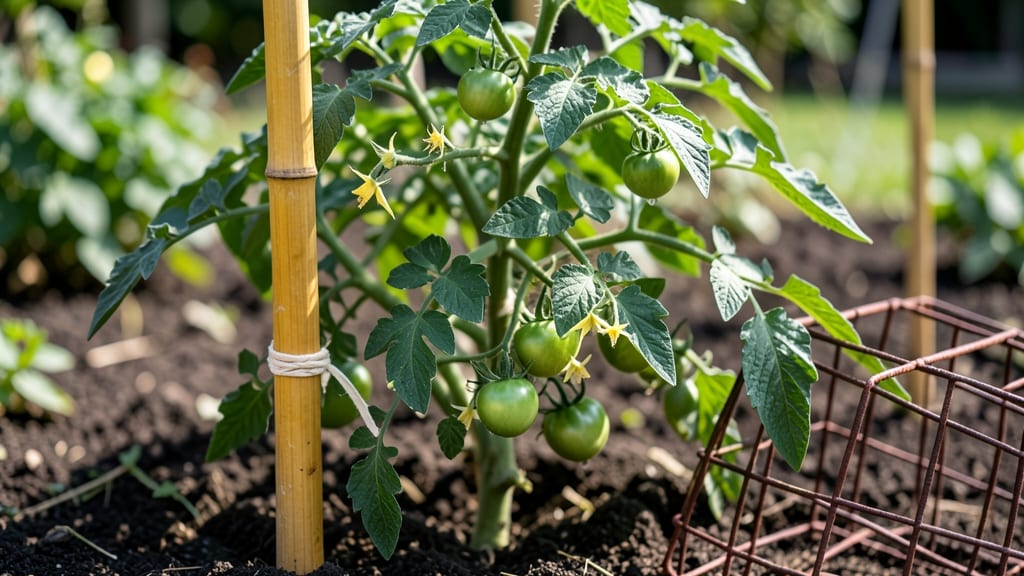
Staking tomato plants turns floppy vines into productive powerhouses. 🌱 I’ve watched indeterminate tomatoes sprawl across my garden like tangled vines—until I learned the right staking techniques. The difference? Thicker stems, more flowers, and fruit that actually ripens instead of rotting on the ground.
You’ll need just a few supplies: sturdy bamboo stakes, soft plant ties, or even repurposed wire cages. The key is timing—wait until plants are 12-18 inches tall and have a few leaves before securing them. Too early, and you’ll stifle growth; too late, and vines snap under fruit weight.
By midseason, your plants will be bushier and more stable, with fruit hanging where you can reach it. No more digging through vines to find tomatoes—just a tidy, high-yielding plant that keeps producing until frost.
The best part? You’ll avoid common mistakes like over-tightening ties or using flimsy stakes that bend.
Works for backyard gardens, containers, or even small urban plots. Once you master staking, you’ll wonder how you ever grew tomatoes any other way. Let’s get those vines supported!
📚 In This Guide
- What you need
- Instructions
- Tips and common mistakes
- Wrapping up and next steps
What you need
- ● Stakes: Wooden stakes (4–6 ft tall, 1–2 inches in diameter) – 1 per plant (or more for heavy varieties like beefsteaks).
- ● Alternative: Metal or bamboo stakes (durable and rust-resistant).
- ● Ties: Soft plant ties (fabric or Velcro) – 2–3 per stake (avoid wire or plastic that can damage vines).
- ● Alternative: Old T-shirts or strips of cloth (free and eco-friendly!).
- ○ Support Structures (Optional but Helpful): Cages (5–6 ft tall) – Great for indeterminate varieties (e.g., cherry tomatoes).
- ● Trellis or tomato towers – Space-saving for small gardens.
- ● Tools: Garden trowel or shovel (for digging holes).
- ● Measuring tape or ruler (to ensure stakes are 2–3 ft deep).
- ● Healthy tomato seedlings or young plants (transplanted after last frost).
- ● Well-draining soil (amend with compost if needed).
- ● Sunny spot (6–8+ hours of sunlight daily).
- ● Watering can or hose (for post-staking hydration).
Step-by-step guide to staking tomato plants for stronger growth
Here's how I ensure my tomato plants stay upright, produce more fruit, and avoid disease—no guesswork involved.
🪴 Step 1: Choose the Right Staking System for Your Variety
Tomatoes need support, but the method depends on your plant type. For indeterminate varieties (the ones that grow continuously), I use 5-6 foot tall bamboo stakes or heavy-duty metal cages. These plants can grow 8+ feet tall, so a flimsy stake will snap under the weight. Determinate tomatoes (bush types) only need 3-4 foot stakes since they stop growing once they fruit.
I always drive stakes into the ground at planting time—waiting until later risks damaging roots when you force stakes in. Bury 1/3 of the stake's length to anchor it securely. If using cages, place them right beside the plant so vines can weave through the wire without tangling.
🌱 Step 2: Install Stakes at Planting for Maximum Stability
When transplanting seedlings, position the stake 2-3 inches from the main stem—close enough to support but not crowd the plant. For indeterminate varieties, I tie the first stem to the stake when it reaches 6 inches tall using soft plant ties (never wire or twine—it cuts into vines as they thicken).
Here's the thing—I've seen gardeners struggle because they wait too long to stake. By the time vines are heavy with fruit, even a sturdy stake can bend. You'll know it's time to tie when the plant sways noticeably in the breeze or when leaves start drooping from the weight of developing tomatoes.
✂️ Step 3: Train Vines Weekly for Bushier Growth
Every 7-10 days, gently weave new growth through the stake's loops or around cage wires. For indeterminate varieties, I pinch off suckers (those little shoots in the joint between stem and branch) to focus energy on fruit production. This ensures stronger main stems that can support more weight without breaking.
Watch for yellowing leaves at the base—this signals overcrowding or poor air circulation. If you see this, it's time to prune lower leaves that touch the soil (they'll rot and spread disease). Always prune with clean, sharp scissors and make cuts just above a leaf joint to encourage new growth.
💧 Step 4: Secure and Adjust as Plants Grow
As your tomatoes grow, you'll need to retie stems every 2-3 weeks—vines thicken as they mature, and last week's tie will loosen. I use velcro plant ties for easy adjustments; they're gentle on stems and let you tighten without damaging the plant. Never wrap ties tightly enough to restrict growth—you should be able to slide a finger between the tie and stem.
If your stake starts leaning, don't panic. Drive a secondary stake on the opposite side and tie the plant to both for extra support. I've had 10-foot vines survive windstorms this way. The key is checking stakes after heavy rain—soil can become saturated and lose grip, causing stakes to pull loose.
☀️ Step 5: Harvest and Maintain Through the Season
Once fruit starts setting, harvest regularly to prevent branches from sagging under weight. I pick tomatoes when they're fully colored but still slightly firm—this encourages more production. For indeterminate varieties, keep staking until the first frost, as new growth continues until then.
At season's end, I cut plants at the base and compost the healthy parts (diseased plants go in the trash). Remove stakes and clean them with a 10% bleach solution before storing for next year. This prevents fungal spores from lingering and infecting new plants.
Tips & tricks for perfect tomato plant staking
Between us, I've watched tomato plants go from thriving to tragic because of poor staking. Here's what nobody tells you about making this work right.
Stake Selection Matters: Don't just grab any stake—indeterminate varieties need 5-6 foot bamboo stakes or heavy-duty cages that can handle 8+ feet of growth. I learned this the hard way after watching flimsy stakes snap under 3-pound tomatoes. For determinate types, 3-4 foot stakes are plenty since they stop growing after fruiting.
Timing is Everything: Install stakes at planting time, not after the plant's established. Driving stakes in later risks damaging roots, and you'll struggle to get them deep enough for proper support. Bury 1/3 of the stake's length—this gives you 2 feet of buried support for a 6-foot stake, preventing leaning. I always check this after heavy rain when soil can become saturated.
Tie Technique: Use only soft plant ties—never wire or twine. These cut into vines as they thicken, causing damage that invites disease. I switch to velcro ties every 2-3 weeks as stems grow thicker. The rule of thumb? You should be able to slide a finger between the tie and stem without resistance. This simple check prevents strangulation.
Pruning Secrets: When you see yellowing leaves at the base, it's not just a cosmetic issue—it's a sign of poor air circulation that breeds disease. Prune these leaves immediately with clean scissors, cutting just above a leaf joint. This encourages new growth while reducing rot risk. I've seen plants recover completely when I catch this early, but neglected cases can become hopeless.
Pro Tips for Stake Tomato Plants
- Between us, I've watched tomato plants go from thriving to tragic because of poor staking.
- Stake Selection Matters: Don't just grab any stake—indeterminate varieties need 5-6 foot bamboo stakes or heavy-duty cages that can handle 8+ feet of growth.
- Timing is Everything: Install stakes at planting time, not after the plant's established.
Frequently asked questions
Got questions about staking tomato plants? You’re not alone! Here are answers to the most common concerns—so you can grow like a pro.
When is the best time to stake tomato plants?
Stake your tomato plants early—as soon as you transplant seedlings into the ground or containers. Use soft ties (like old T-shirts or plant ties) to avoid damaging stems. If you wait until plants are tall, they may snap under their own weight or wind. Think of it like giving your tomatoes a grow-up brace from day one!
How often should I adjust or tighten the stakes as plants grow?
Check your stakes every 1–2 weeks and adjust ties as needed. Tomato vines grow fast, and loose ties can strangle stems or let plants flop. Use a figure-eight loop around the stem to prevent rubbing. Pro tip: If your plant outgrows its stake, add a second stake or a tomato cage for extra support!
Can I use anything other than wooden stakes or cages?
Get creative with stakes made from bamboo poles, reclaimed fencing, or even plastic milk jugs (cut and slotted). For indeterminate tomatoes, try a floppy file folder tied to a string for a DIY "Florida weave". Just ensure your support is sturdy and at least 5–6 feet tall for sprawling varieties.
What do I do if my staked tomato plant suddenly wilts or looks stressed?
Wilt can mean overwatering, underwatering, or root issues. First, check the soil—it should be moist but not soggy. Loosen ties if they’re too tight (they can restrict growth!). If the problem persists, inspect for blight or pests and adjust watering. Don’t panic! Many tomatoes bounce back with proper care—just give them a little TLC.
Will staking my tomatoes really increase my harvest?
Yes! Staking improves airflow and sunlight exposure, reducing disease risk and helping fruits ripen faster. Bushier vines also produce more blossoms, leading to bigger yields. Plus, staked tomatoes are easier to prune and harvest. It’s like giving your plants a backstage pass to superstar status!
Wrapping up and next steps
Staking your tomato plants is a simple yet game-changing step that transforms floppy vines into sturdy, high-yielding powerhouses! 🌱 Whether you choose cages, stakes, or trellises, the key is consistency—supporting those plants early and giving them room to thrive.
With the right technique, you’ll enjoy bushier growth, fewer diseases, and a bounty of juicy tomatoes all season long.
Ready to put your new skills to work? Start by assessing your garden space today—grab those stakes, tie up those vines, and watch your tomato plants reach new heights! 🚀