
Planting
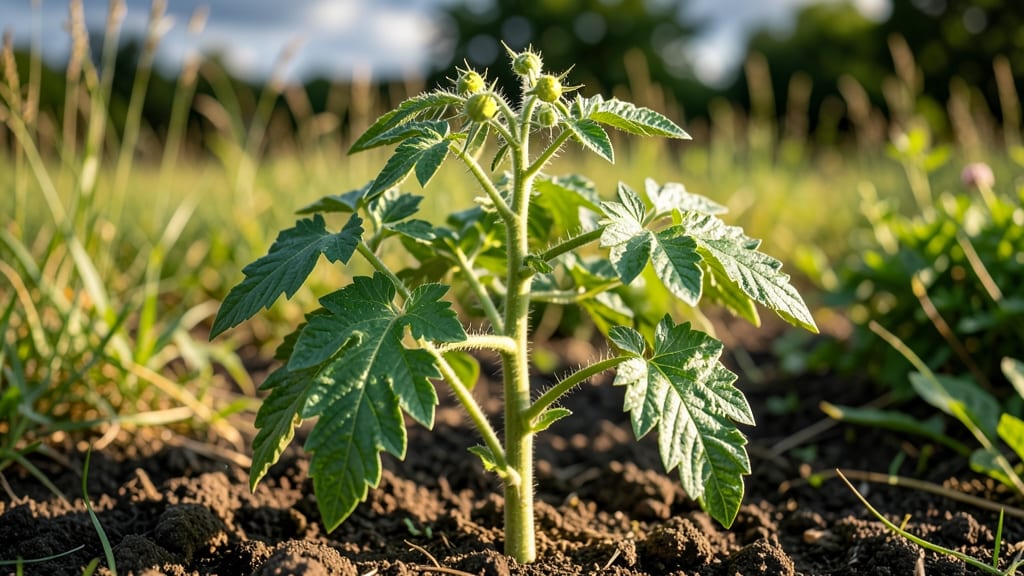
Your 4-month-old tomato plant 🍅 is now in its power phase—where the right moves today will determine how many pounds of fruit you’ll pull from the vine this summer.
Picture this: You’ve nurtured it through seedlings, dodged early pests, and now it’s shooting up like a jungle gym. But skip the next 30 days of care, and you risk weak stems, fewer blooms, or even disease creeping in.
The good news? A few simple adjustments—like pruning the right way, feeding at the perfect time, and setting up support early—can turn a good plant into a high-yielding monster.
Most gardeners focus on planting and harvesting, but this is the make-or-break window for tomato success.
Below, I’ll walk you through exactly what to do now: when to snip those suckers, how to spot trouble before it spreads, and the one support trick that saves plants from toppling in a storm.
No guesswork, no wasted effort—just the stage-specific care your tomato needs to go from 4 feet tall to 6 feet of fruit by harvest time.
How to prune a 4-Month-old tomato plant for maximum growth
At 4 months old, your tomato plant is entering its most critical growth phase—where proper pruning techniques can transform a scraggly vine into a high-yielding powerhouse.
This is when you’ll focus on removing suckers (those tiny shoots between the stem and branches) and shaping the plant to direct energy toward fruit production rather than excessive foliage. But timing, tools, and technique all matter—one wrong move can stress your plant or invite disease.
First, identify your tomato variety: indeterminate types (like 'Sungold' or 'Beefsteak') grow continuously and need aggressive pruning, while determinate varieties (like 'Roma' or 'Celebrity') bush out and require minimal trimming.
For this guide, we’ll cover both, so you can tailor the approach to your specific plant. Grab your sterilized pruning shears and let’s get started!
Step-by-Step Pruning Guide for a 4-Month-Old Tomato Plant
- 1 Gather Your Tools: Use sterilized pruning shears (clean with rubbing alcohol) and sharp bypass pruners to avoid crushing stems. A glove will protect you from thorns, and a notebook helps track pruning dates.
- 2 Choose the Right Time: Prune on a dry, cloudy morning (before 10 AM) to reduce stress. Avoid pruning in the evening or after rain, as wet cuts invite fungal infections like early blight.
- 3 Locate the Suckers: Suckers are the small shoots growing in the leaf axils (where a leaf meets the stem). For indeterminate varieties, remove all suckers larger than 1-2 inches to encourage upward growth.
- 4 Shape the Plant: For indeterminate tomatoes, leave 1-2 main stems and prune side branches to create an open center. For determinate types, trim only damaged or crowded leaves to improve airflow.
- 5 Avoid Common Mistakes: Never remove more than 1/3 of the foliage at once, or you’ll shock the plant. Also, don’t prune below a flower cluster, as this can reduce fruit set.
- 6 Post-Pruning Care: Water the base of the plant deeply (1-2 gallons) and apply a balanced fertilizer (5-10-10) to replenish nutrients. Monitor for stress signs like wilting or yellowing leaves.
For indeterminate tomatoes, focus on creating a central leader—the main vertical stem—while removing all competing suckers. This directs the plant’s energy into producing larger, healthier fruit higher up on the vine.
Think of it like training a vine to climb a trellis: you’re guiding its growth in one direction for maximum efficiency.
On the other hand, determinate tomatoes are naturally bushy and don’t need heavy pruning. Instead, trim only the lowest leaves (within 6 inches of the soil) to prevent soil-borne diseases like blight from splashing onto the foliage. This variety is all about air circulation, so avoid overcrowding branches.
One of the biggest pruning mistakes I see is removing too many leaves at once, which can leave your plant vulnerable to sun scald (where exposed fruit turns white and leathery).
Always leave enough foliage to provide shade for the fruit while still allowing sunlight to reach the lower branches. Aim to keep the plant 70-80% leafed out after pruning.
If you’re unsure whether a shoot is a sucker or a new branch, use the "pinch test": gently squeeze the stem. If it’s soft and easily crushed, it’s likely a sucker.
If it’s woody and firm, it’s part of the main structure and should stay. This simple trick saves you from over-pruning and keeps your plant healthy.
After pruning, keep an eye out for new suckers that may sprout in the next 2-3 weeks. Indeterminate varieties can produce suckers weekly, so check your plant every 5-7 days during peak growth season.
Consistency is key—skipping a week can lead to a tangled mess that’s harder to manage later.
Finally, pair your pruning efforts with proper support. Use a sturdy stake or cage to hold the plant upright, especially for indeterminate varieties that can grow 6-10 feet tall. This prevents stem breakage and makes future pruning
Critical care tips to strengthen your 4-Month-old tomato plant
At 4 months old, your tomato plant is entering its high-growth phase, where proper care can transform a mediocre vine into a fruit-loaded powerhouse. This is when roots deepen, stems thicken, and your plant decides whether it’ll produce 5 pounds or 50 pounds of tomatoes.
The key? Balancing soil nutrition, watering discipline, and structural support—all while keeping pests and diseases at bay.
Most gardeners focus on pruning, but the real game-changers are often overlooked: NPK ratios in your soil, deep watering techniques, and choosing the right support system. Get these right, and your plant will reward you with thicker stems, more flowers, and heavier fruit.
Skip them, and you’ll end up with a leggy, disease-prone mess that struggles to support its own weight.
🌱 4 Critical Moves for Your Tomato Plant
- Soil Boost: Feed with 5-10-10 NPK every 4-6 weeks to fuel growth.
- Water Deep: 1-2 gallons per plant morning-only to prevent fungal risks.
- Support Now: Install cages or stakes before stems reach 3 feet.
- Pest Watch: Check undersides of leaves 2x weekly for aphids or blight.
💡 Pro Tip: Mulch with straw or grass clippings to retain moisture and block weeds.
Let’s start with soil nutrition, the foundation of your plant’s strength. At this stage, your tomato needs a balanced fertilizer with an NPK ratio of 5-10-10—this means 5% nitrogen for leaf growth, 10% phosphorus for root development, and 10% potassium for disease resistance.
I recommend applying 1 tablespoon per plant every 4-6 weeks, starting now. Avoid high-nitrogen fertilizers, which encourage leafy growth at the expense of fruit.
Next up: watering discipline. Your 4-month-old tomato plant needs deep, infrequent watering—think 1-2 gallons per plant, delivered once every 3-5 days. The goal is to encourage roots to grow deeper, making your plant more drought-resistant.
Water in the early morning to let foliage dry quickly, reducing the risk of fungal diseases like blight. Avoid wetting the leaves, and always water at the base of the plant.
Now, let’s talk support systems. If you haven’t already, install cages or stakes before your plant reaches 3 feet tall. Cages are great for indeterminate varieties (like Sungold or Cherokee Purple), while stakes work better for determinate types (like Roma or Celebrity).
I swear by 5-foot tomato cages for my indeterminate plants—they’re sturdy, reusable, and keep the plant upright without restricting growth. Secure the support with soft ties to avoid damaging the stem as it thickens.
Finally, disease prevention is non-negotiable at this stage. Keep an eye out for early signs of blight (yellowing leaves with brown spots) or aphids (tiny green bugs clustering on new growth). I inspect my plants 2-3 times per week, focusing on the undersides of leaves and stem junctions.
If you spot trouble, act fast: neem oil for aphids or copper fungicide for blight. Prevention is easier than cure, so prune regularly to improve airflow and remove any diseased foliage immediately.
To wrap it up, here’s your seasonal checklist for the next 30 days: feed every 4 weeks, water deeply in the morning, check for pests weekly, and reinforce supports as your plant grows.
Stick to this routine, and you’ll be harvesting bushels of tomatoes before you know it. 🌿