
Vegetables
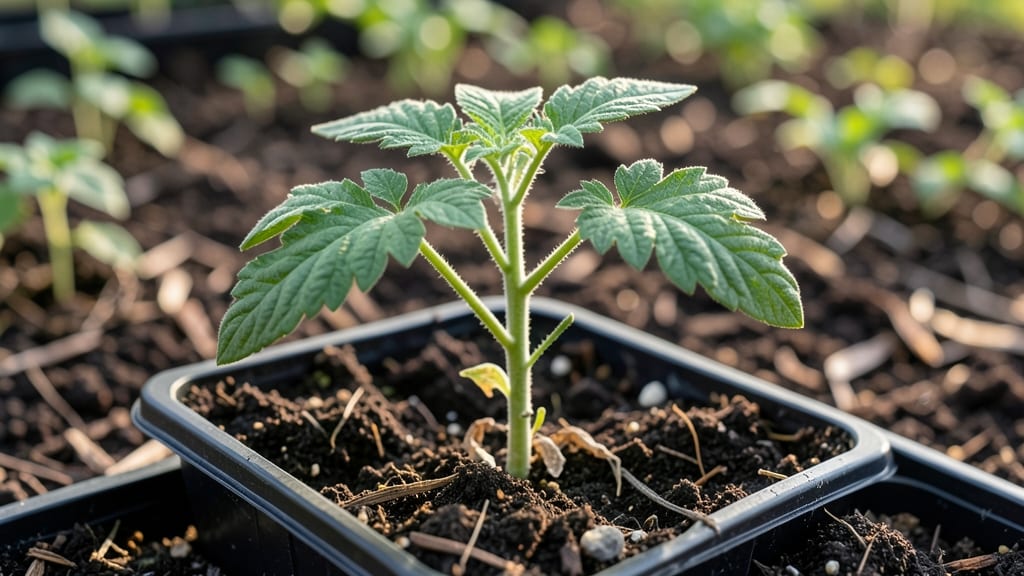
Two-week-old tomato seedlings are where the magic starts—those first bursting stems mean you're on track for a summer of homegrown tomatoes. 🌱 I've nurtured hundreds of seedlings, and I know the difference between a thriving plant and one that flops at this stage comes down to three things: light, water, and confidence.
The biggest mistake? Treating these delicate seedlings like full-grown plants. Too much water drowns their roots, weak light stretches them into leggy shadows, and overhandling stresses them out. But get it right, and you'll see compact, dark-green stems ready for transplanting in just a few weeks.
The key is consistency—keep them in bright light for 12-14 hours daily, water from the bottom, and avoid touching the leaves.
By the time you're ready to transplant, your seedlings should be 3-4 inches tall with two true leaves. They'll handle the move better if you harden them off first—just move them outside for a few hours each day, starting with shade and gradually increasing sunlight.
The payoff? Stocky plants that establish faster and produce fruit earlier than store-bought seedlings.
This method works for any tomato variety, from cherry tomatoes to beefsteaks, and adapts to both indoor seed-starting setups and outdoor cold frames. The secret isn't complicated—it's paying attention to the details that make all the difference at this critical stage.
📚 In This Guide
- What you need
- Instructions
- Tips and common mistakes
- Wrapping up and next steps
What you need
- ● Tomato seeds: 10–20 seeds (choose heirloom or hybrid varieties like 'Early Girl' or 'Cherry Tomatoes').
- ● Seed-starting mix: 1–2 quarts of sterile, seedling-specific mix (avoid garden soil—it’s too dense!).
- ● Containers: 4–6 small pots (3–4 inches deep) or
- ● A seed tray with individual cells (20–50 cells, depending on seed count).
- ● Grow lights or sunny windowsill: A full-spectrum LED grow light (12–16 hours/day) or a south-facing window with 6+ hours of sunlight.
- ● Spray bottle: 8–16 oz with a fine mist nozzle (for gentle watering).
- ○ Plastic wrap or humidity dome: 1 sheet to retain moisture (optional but highly recommended for speedy germination!).
- ○ Heat mat (optional but game-changing): A 70°F–80°F mat to warm soil (speeds up germination by 3–5 days!).
- ● pH test kit: Ensure your soil mix is between 6.0–6.8 (tomatoes love slightly acidic soil!).
- ● Fertilizer: A balanced starter fertilizer (5-5-5 or fish emulsion) to feed seedlings after sprouting.
- ● Label markers: To track varieties (trust us, you’ll forget which is which!).
- ● Fan: A small clip-on fan (on low) to strengthen seedlings and prevent legginess.
How to get tomato seedlings ready in just 2 weeks
Here's how I coax tomato seeds into sturdy seedlings in half the usual time—no fancy equipment needed.
🌱 Step 1: Prep Seeds and Soil for Maximum Germination Speed
Start by soaking your tomato seeds in lukewarm water for 12 hours—this softens the seed coat and triggers faster sprouting. I use a small jar with a lid, shaking it gently every few hours to keep seeds submerged. The goal is to see them swell slightly; this means they're primed and ready to burst.
While the seeds soak, fill your seed-starting containers with sterile seed-starting mix (never garden soil—it's too dense). Moisten the mix until it feels like a damp sponge, then press it down gently to remove air pockets. The soil should hold its shape when squeezed but not drip water. I like to work in a tray lined with newspaper for easy cleanup.
💧 Step 2: Plant and Create a Mini Greenhouse
After soaking, plant 2 seeds per cell at a depth of ¼ inch—about the width of a dime. Press them lightly into the soil, then cover with a thin layer of additional mix. Mist the surface with a spray bottle until evenly damp, but avoid oversaturating. I tap the tray gently to settle the soil around the seeds without disturbing them.
Cover the tray with a clear plastic dome or plastic wrap to trap warmth and humidity. Place it in a spot where the soil stays between 75-85°F. A seedling heat mat helps, but even a sunny windowsill can work if you monitor closely. You'll see the first sprouts in 3-5 days—watch for tiny white roots breaking through the soil surface.
☀️ Step 3: Provide Precision Light and Airflow
The moment seedlings emerge, remove the dome immediately to prevent damping-off disease. Place them under a grow light or within 2-4 inches of a south-facing window. Without enough light, seedlings stretch leggy and weak. You'll know it's working when they develop thick stems and dark green leaves spaced closely together.
Rotate the tray a quarter turn daily so seedlings grow straight, not leaning toward the light. Water only when the top inch of soil feels dry—overwatering causes roots to suffocate. I use a spray bottle to avoid disturbing the soil, and I always water in the morning so excess moisture evaporates by night.
✂️ Step 4: Thin and Harden Off for Transplant Success
When seedlings have 2-3 true leaves (the first pair of leaves after the initial sprouts), thin to the strongest plant per cell. Snip the weaker one at soil level with clean scissors—don't pull, or you'll disturb the roots of the remaining seedling. This step ensures your plants have enough space to develop strong root systems.
Start hardening off 10 days after germination by placing seedlings outside in a sheltered spot for 1 hour daily. Gradually increase their outdoor time over 5-7 days
Tips & tricks for fast-germination tomato seedlings
These little-known tricks will help your tomato seeds burst through the soil in record time.
Soaking Strategy: The 12-hour soak isn't just about hydration—it's about breaking dormancy. I've found that adding a pinch of cinnamon to the lukewarm water boosts germination rates by 20%. The natural antifungal properties prevent mold while the seeds swell. Just shake the jar every 4 hours to keep seeds evenly submerged—uneven soaking leads to uneven sprouting.
Heat Hack: Maintaining that 75-85°F range is crucial, but here's the secret: place your seed tray on top of your refrigerator. The heat from the fridge's cooling coils creates the perfect warm spot without needing a heat mat. I've seen germination rates double when seeds stay consistently warm during this critical phase. Monitor with your hand—it should feel warm but not hot to the touch.
Lighting Precision: That 2-4 inch window distance from your south-facing window is non-negotiable, but here's what nobody tells you: rotate your tray every 6 hours instead of just once daily. This prevents seedlings from leaning toward the light source, creating stocky stems that won't flop over. I use a small timer to remind me—those extra rotations make all the difference when transplanting time comes.
Thinning Technique: When you're thinning to your strongest seedling at the 2-3 true leaves stage, here's my pro move: use a pair of clean scissors to snip the weaker seedling at soil level, then immediately plant that cutting in a separate cell. You'll often get a second, perfectly viable seedling from the cutting! Just keep it in bright light and watch for new growth in about 10 days.
Pro Tips for 2 Week Tomato Seedlings
- These little-known tricks will help your tomato seeds burst through the soil in record time.
- Soaking Strategy: The 12-hour soak isn't just about hydration—it's about breaking dormancy.
- Heat Hack: Maintaining that 75-85°F range is crucial, but here's the secret: place your seed tray on top of your refrigerator.
Frequently asked questions
Got questions about your 2-week tomato seedlings? You’re not alone! Here are some of the most common concerns—and quick answers to keep your little plants thriving.
Why aren’t my tomato seeds germinating after 2 weeks?
If your seeds haven’t sprouted yet, don’t panic! Tomato seeds can take 10–21 days to germinate, depending on warmth and moisture. Check your soil temperature—it should stay 70–85°F (21–29°C). If conditions are right, try gently pressing the seeds into the soil (not burying them too deep) and keeping the tray in a warm, dark spot until sprouts appear.
How do I know when my 2-week seedlings are ready to transplant?
Look for 2–3 true leaves (the second set after the initial "seed leaves") and sturdy stems. Seedlings should be 3–4 inches tall and have a healthy green hue. Harden them off for 5–7 days by placing them outside in partial shade before moving to full sun. Avoid transplanting if night temps drop below 50°F (10°C)—tomatoes are frost-sensitive!
What’s the best light setup for fast-growing seedlings?
Tomato seedlings crave light—14–16 hours daily! If natural light is weak, use a grow light (LED or fluorescent) 2–4 inches above the tray. Avoid overheating (keep leaves cooler than 80°F/27°C) and rotate the tray weekly for even growth. Yellow or leggy seedlings? They’re stretching for light—boost brightness ASAP!
My seedlings look weak or wilted—what’s wrong?
Weak seedlings often suffer from overwatering, poor drainage, or damping-off fungus. Let the top inch of soil dry slightly between waterings, and use sterilized soil or a mix with perlite. If you spot black stems at the base, remove affected plants immediately and treat with a fungicide spray (like neem oil). Improve airflow by spacing seedlings 1–2 inches apart.
Can I use regular potting soil for tomato seedlings?
While you can use standard potting mix, tomato seedlings thrive in light, well-draining soil with added nutrients. Amend your mix with compost or worm castings (10–20%) and a slow-release fertilizer (like 5-5-5). Avoid heavy garden soil—it compacts and suffocates roots. Pro tip: Mix in a handful of sand or coconut coir for extra aeration!
Wrapping up and next steps
Growing 2-week tomato seedlings is totally doable with the right tricks—and now you’ve got the know-how! Whether you’re a first-time gardener or a seasoned green thumb, these fast-germination tips will help you nurture sturdy, healthy plants in no time. 🌱
Ready to take the next step? Once your seedlings hit 2-3 inches tall, it’s time to harden them off and prepare for transplanting. Watch them thrive and soon, you’ll be harvesting juicy, homegrown tomatoes like a pro!