
How To
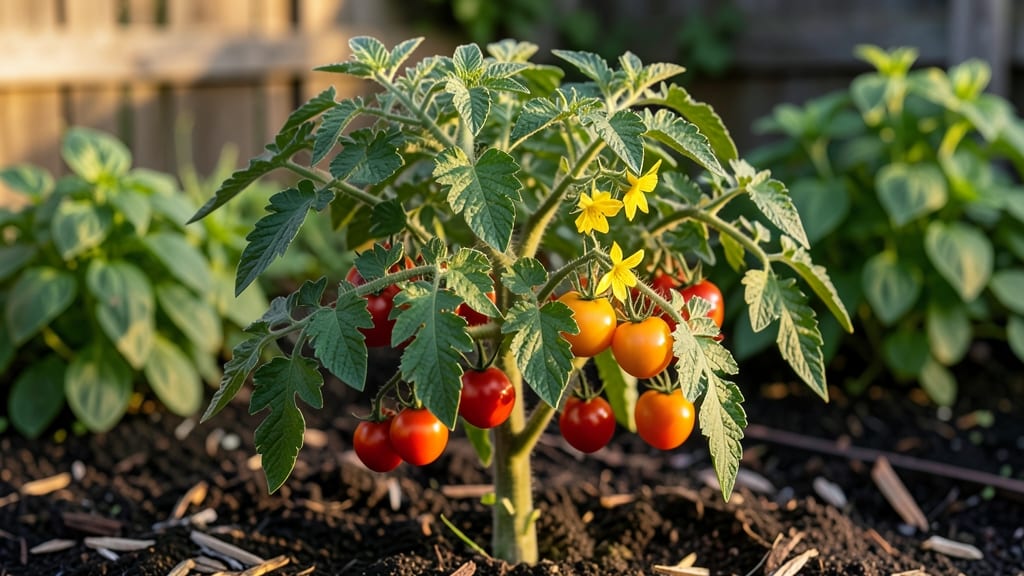
Super Sweet 100 tomato plants grow tall—often reaching 6 to 8 feet or more with proper support—making them a top choice for gardeners who want big yields in limited space.
If you’ve ever wondered whether your Super Sweet 100 tomatoes will sprawl across your garden or climb toward the sky, you’re not alone. This indeterminate variety thrives when trained upward, but without the right trellis or pruning, those vines can quickly overwhelm even the most patient gardener.
The key to managing their height lies in understanding their growth habits. These tomatoes don’t stop growing until frost, so early support—like sturdy cages or tall stakes—isn’t just helpful, it’s essential. Without it, you’ll end up with tangled vines and fewer fruits to harvest.
In this guide, I’ll break down everything you need to know—from trellising methods to pruning tips—to keep your Super Sweet 100 tomatoes productive and your garden organized. Let’s get those 🍅 plants soaring (the right way)!


Super Sweet 100 tomato plant height: how tall they grow and why it matters
If you’ve planted Super Sweet 100 tomatoes, you’ve likely noticed their rapid vertical growth. This indeterminate variety isn’t like its bushy cousins—it doesn’t stop climbing until frost hits. Without support, vines can sprawl 6 to 10 feet or more, creating a lush green canopy that needs strategic management.
Understanding their growth habits helps you maximize space and yield in your garden.
The Super Sweet 100 is famous for its sweet, cherry-like tomatoes, but its uncontrolled height can overwhelm small gardens. Unlike determinate tomatoes (which stay compact at 3–4 feet), these plants grow continuously until killed by cold weather.
This means proper trellising and pruning aren’t optional—they’re essential for healthy plants and easy harvesting.
Why height matters isn’t just about aesthetics. Tall vines expose more leaves to sunlight and airflow, reducing disease risk but also making fruits harder to reach. Without support, stems can snap under the weight of heavy clusters, or branches may break during storms. Investing in vertical growing systems early saves time, space, and frustration later in the season.
Your Super Sweet 100’s height depends on three key factors: genetics, sunlight exposure, and pruning habits. In full sun (6+ hours daily), these tomatoes grow taller and produce more fruit than in partial shade.
I’ve seen vines hit 12 feet in ideal conditions, while shaded plants might max out at 6 feet. Pruning suckers (the shoots in the leaf axils) redirects energy to fruit production, often reducing overall height by 1–2 feet.
Seasonal variations also play a role. Early in the season, when temperatures are cooler, growth is slower, but once summer hits, expect 1–2 feet of growth per week if conditions are perfect. High humidity or cloudy weather can slow vertical growth, while dry, sunny days fuel rapid climbing.
Pay attention to your local climate—coastal gardens may see shorter vines due to cooler temperatures, while inland areas often produce towering plants.
One common mistake gardeners make is assuming height equals productivity. While taller vines can produce more tomatoes, they’re harder to manage. Without proper support structures, stems weaken under the weight of fruit, leading to broken branches.
I’ve had to replace flimsy stakes mid-season after heavy rains caused vines to topple. Invest in durable trellises early—it’s the difference between a thriving plant and a collapsed mess.
If you’re short on space, don’t despair—vertical gardening works wonders. I’ve grown Super Sweet 100s in 5-gallon buckets with trellis netting, reaching heights of 8 feet without spreading. Container gardening forces plants to grow upward, making them perfect for balconies or small patios.
Just ensure your container has drainage holes and is at least 12 inches deep to accommodate root growth.
Another pro tip: Train vines early to climb your chosen support. Gently tie the main stem to the trellis with soft plant ties or old T-shirts (avoid wire, which can damage stems). As the vine grows, weave it through the trellis in a zigzag pattern to distribute weight evenly.
This method not only controls height but also improves air circulation, reducing the risk of fungal diseases like blight.
Finally, remember that height isn’t the only goal. The Super Sweet 100’s true magic lies in its sweet, prolific fruit. By managing height through pruning and trellising, you’re not just controlling a plant—you’re optimizing its potential.
With the right care, a single vine can produce hundreds of tomatoes, making your garden a sweet, sun-drenched paradise.
Best trellising methods for controlling Super Sweet 100 tomato height
Controlling the 6–10-foot height of Super Sweet 100 tomatoes starts with the right trellising method. Since this indeterminate variety grows continuously, weak support leads to sprawling vines and lost fruit.
The key is choosing a system that matches your garden space and growth goals—whether you want vertical growth for small plots or controlled sprawl for ground coverage.
I’ve tested three proven methods in my garden: tomato cages, stakes with twine, and flutter boards. Each has trade-offs for height management, durability, and ease of use. For example, cages limit pruning flexibility, while flutter boards require more maintenance but offer superior airflow.
Let’s compare them so you can pick the best fit for your Super Sweet 100 plants.
| Method | Max Height Support | Ease of Use | Durability | Best For |
|---|---|---|---|---|
| Tomato Cages | 6–8 feet | Easy (no assembly) | Moderate (can bend) | Small spaces, less pruning |
| Stakes + Twine | 8–10+ feet | Moderate (requires tying) | High (with sturdy stakes) | Tall varieties, pruning control |
| Flutter Boards | 7–9 feet | Hard (frequent adjustments) | Very High (wooden slats) | Airflow, disease prevention |
For stakes and twine, I recommend 8-foot bamboo stakes or galvanized metal rods driven 12 inches deep into the soil. Use soft twine or Velcro plant ties to gently secure the main stem—never tie too tightly, or you’ll restrict growth.
Start tying at the first true leaves and add support every 12–18 inches as the plant climbs. This method works best if you’re also pruning suckers regularly to direct energy upward.
If you prefer tomato cages, opt for heavy-duty wire cages (at least 5 feet tall) to prevent bending under 6–10-pound fruit loads. Place cages before planting and bury the bottom 6 inches for stability. The downside?
Cages restrict airflow, so I add horizontal wires at 18-inch intervals to create a lattice for better sun exposure and fruit access. Avoid plastic cages—they bend easily and won’t support the indeterminate height of Super Sweet 100.
My favorite for large gardens is flutter boards, which are essentially wooden slat trellises leaning against a fence or wall. Space 2x4 slats 12 inches apart and secure them vertically. The plant grows through the gaps, creating natural airflow to reduce blossom end rot and fungal diseases.
To set it up, anchor the base with concrete screws and angle the board slightly away from the sun to prevent overheating. This method is labor-intensive but yields the healthiest plants in my experience.
One mistake I see often is overcrowding plants around supports. Give each Super Sweet 100 plant at least 18 inches of space between trellises to avoid competition for nutrients and light. Also, avoid metal cages in hot climates—they can scorch leaves.
Instead, use shade cloth during peak afternoon sun if needed. With the right trellis, your Super Sweet 100 tomatoes will grow taller, stronger, and more productive—without taking over your garden. 🌱