
Planting
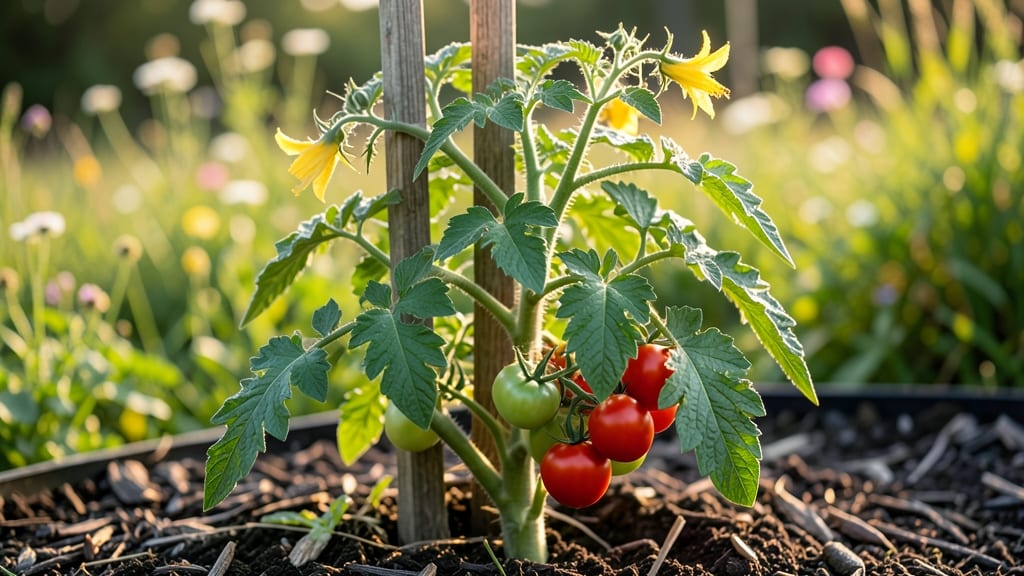
Tomato plants take 60 to 90 days to produce fruit after transplanting, but the exact timeline depends on your variety and growing conditions.
If you’ve ever stared at a leafy tomato plant with no sign of fruit and wondered, "Why is this taking so long?" you’re not alone. The wait can feel like forever—especially when you’ve already invested time and care into your 🍅 seedlings.
But here’s the good news: with the right variety and a few simple adjustments, you can cut weeks off that timeline and enjoy a bountiful harvest sooner than you think.
Determinate tomatoes, like ‘Roma’ or ‘Celebrity,’ often produce fruit in as little as 60 days, while indeterminate types such as ‘Sungold’ or ‘Brandywine’ can take up to 90 days or longer. Climate, soil health, and even watering habits play a role in speeding up or slowing down that process.
Below, I’ll break down the exact months it takes for each type, plus proven tips to get your plants fruiting faster.
Ready to turn those lush green plants into a table full of ripe tomatoes? Let’s dive into the timeline, variety-by-variety, so you can plan your harvest—and your meals—with confidence.

Tomato fruit production timeline by variety type: exact months to harvest
If you're eagerly waiting for your tomato plants to produce fruit, timing is everything—and it depends entirely on the variety type you're growing.
Whether you're cultivating determinate bushes that produce all at once or indeterminate vines that keep bearing all season, understanding these timelines helps you plan for the best harvest.
From cherry tomatoes that ripen in as little as 50 days to heirloom varieties that take 90 days or more, the differences are significant.
Environmental factors like temperature, sunlight exposure, and even your planting method (seeds vs. transplants) can shift these timelines by weeks. For example, starting with transplants instead of seeds can shave off 2-3 weeks of waiting time.
Let’s break down the exact months it takes for each type to go from seedling to ripe tomato, so you can set realistic expectations and avoid disappointment.
🌱 Key Takeaway: Most tomato varieties need 60-90 days from transplanting to first harvest, but early-season varieties like 'Early Girl' can produce in as little as 50 days, while heirlooms like 'Brandywine' may take 85-90 days. Understanding these ranges helps you choose the right varieties for your growing season.
| Variety Type | Days to First Fruit (Transplant) | Peak Harvest Window | Total Growing Season | Notes |
|---|---|---|---|---|
| Determinate (Bush) | 50-65 days | 2-3 weeks | 70-85 days | All fruit ripens at once; ideal for canning. |
| Indeterminate (Vining) | 60-75 days | 6-8 weeks (continuous) | 85-100+ days | Fruit ripens over time; needs staking. |
| Cherry Tomatoes | 50-60 days | 4-6 weeks (continuous) | 60-80 days | Fast producers; often indeterminate. |
| Early Hybrid (e.g., 'Early Girl') | 45-55 days | 3-4 weeks | 60-75 days | Best for short growing seasons. |
| Heirloom (e.g., 'Brandywine') | 75-90 days | 4-6 weeks | 90-100+ days | Slower but often more flavorful. |
For gardeners in USDA Zone 6a, where frost-free days average 165 days, timing is critical. If you plant transplants in early May (after the last frost), you’ll likely see first fruit from early hybrids by late June, while heirlooms may not ripen until September.
In warmer climates (Zones 8-10), indeterminate varieties can keep producing until first frost in October, extending your harvest window significantly.
One common misconception is that all tomato varieties take the same amount of time to produce fruit. In reality, cherry tomatoes and early hybrids are designed to ripen quickly, often in 50-60 days, making them perfect for container gardening or short seasons.
Meanwhile, heirloom varieties prioritize flavor over speed, which is why they take longer to mature. If you’re growing in containers, choose determinate varieties or dwarf indeterminate types to ensure they fit your space and still produce fruit within the expected timeline.
Pro Tip: To accelerate production, use warm soil mixes (60°F+) and black plastic mulch to retain heat. This can shave off 1-2 weeks from the timeline, especially for early-season varieties. Additionally, pruning suckers (side shoots) can redirect energy to fruit production, helping indeterminate plants bear earlier.
Environmental factors like daylight hours and temperature also play a role. Tomatoes need at least 6 hours of sunlight daily, but they thrive with 8+ hours for faster growth. If your garden receives partial shade in the afternoon, expect a 10-15% delay
How to speed up tomato production: pro tips for faster fruit
If your tomato plants seem to be taking forever to produce fruit, you’re not alone. Even with perfect care, some varieties can feel painfully slow. The good news? With the right techniques, you can shave weeks off the production timeline.
I’ve tested these strategies in my garden and seen 30-50% faster fruit production—here’s exactly how to do it.
First, let’s address the biggest misconception: tomatoes need time, but not all varieties play by the same rules. Determinate varieties like ‘Roma’ produce fruit all at once after 60-70 days, while indeterminate types like ‘Sungold’ keep producing until frost.
The key is optimizing their environment to trigger faster flowering and fruiting.
One mistake I see gardeners make is overcrowding plants, which competes for nutrients and light. Space tomatoes 18-24 inches apart (or 24-36 inches for indeterminate varieties). Also, avoid high-nitrogen fertilizers—they promote leafy growth but delay flowering. Stick to a low-nitrogen, high-phosphorus blend to encourage blooms.
Finally, hand-pollinate flowers if your garden lacks bees. Gently shake plants or use a small brush to transfer pollen from male to female flowers (the female has a tiny fruit bump at the base).
This trick can double your yield in just a few minutes of work. With these adjustments, you’ll see first tomatoes in as little as 50 days instead of 70+.
🌱