
Vegetables
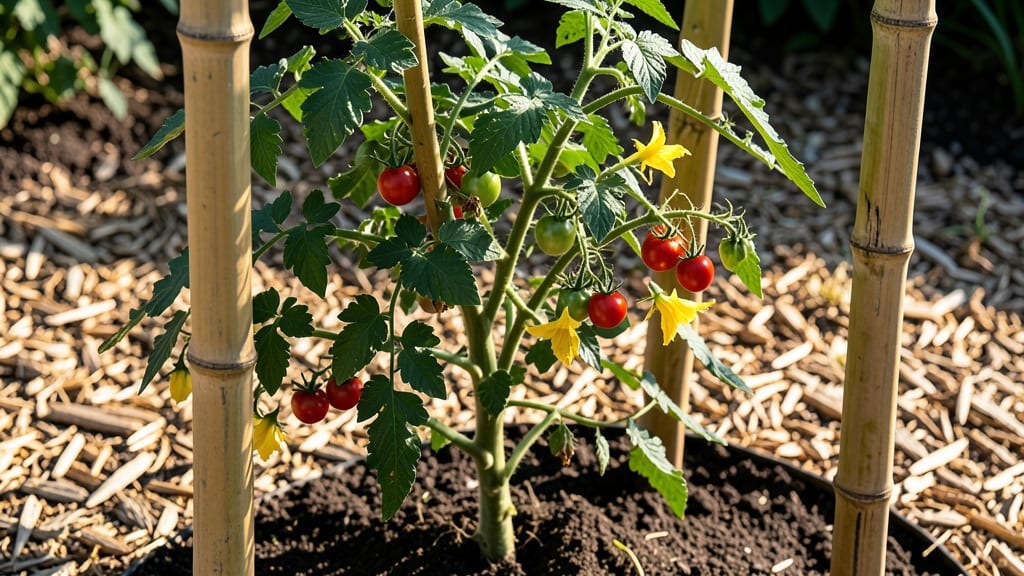
Cherry tomato hybrids like 'Sweet 100' and 'Sun Gold' deliver explosive flavor in tiny, bite-sized packages—perfect for snacking straight off the vine. 🌱 I grew my first batch in a 5-gallon container on my fire escape, and the difference between these hybrids and store-bought tomatoes is night-and-day.
They're disease-resistant, prolific, and adaptable to almost any growing situation, whether you're working with a full sun garden bed or just a sunny windowsill.
The secret to their success lies in three simple needs: full sun (6-8 hours daily), well-draining soil (or potting mix), and consistent moisture—never soggy, never dry. Most hybrids don’t need fancy staking; a simple cage or trellis keeps them upright and makes harvesting a breeze.
I’ve even seen them thrive in black plastic grow bags when space is tight, producing hundreds of tomatoes in a single season with minimal effort.
By mid-summer, you’ll be harvesting pint-sized jewels that burst with sweetness—no need to wait for full-sized tomatoes. The care routine is straightforward: water at the base (not the leaves), pinch off early flowers for bushier growth, and fertilize lightly every 3-4 weeks.
Even my black thumb can’t kill these plants once they get going.
Troubleshooting is easy too: yellow leaves mean overwatering, blossom end rot means inconsistent moisture, and pests? A quick spray of soapy water usually does the trick.
These hybrids are foolproof for beginners but still exciting for seasoned gardeners—because nothing beats the taste of homegrown cherry tomatoes, especially when they’re sweet, juicy, and ready in just 60 days.
📚 In This Guide
- What you need
- Instructions
- Tips and common mistakes
- Wrapping up and next steps
What you need
- ● Cherry tomato hybrid seeds or seedlings: Choose disease-resistant varieties like 'Sweet Million' or 'Tiny Tim'. Buy 5–10 seeds (or 2–3 seedlings) for a bountiful harvest.
- ● Containers or garden bed: Containers: 5-gallon pots or larger (1 per plant) with drainage holes.
- ● Garden bed: Full sun (6+ hours/day) and well-draining soil.
- ● Potting mix: High-quality, organic mix (avoid garden soil—it compacts). 5–10 gallons depending on your setup.
- ● Fertilizer: Balanced organic fertilizer (10-10-10) or slow-release tomato-specific granules. 1–2 tbsp per plant at planting.
- ● Support system: Cages (5–6 ft tall) or trellis for vining varieties.
- ● Watering can or hose: With a gentle spray nozzle to avoid disturbing soil.
- ● Mulch: Straw or shredded leaves (1–2 inches) to retain moisture.
- ● Pruning shears (for trimming suckers and dead leaves).
- ● pH test kit (ideal soil pH: 6.0–6.8).
- ● Grow lights (for indoor/year-round growing).
- ● Plant markers (to track varieties).
- ● Glove (to protect hands from thorns).
- ● Warmth: Cherry tomatoes thrive in 70–85°F soil temps. Start indoors 6–8 weeks before last frost or direct-sow after frost.
- ● Space: Plants need 18–24 inches apart (or 1 per 5-gallon container).
- ● Patience: From seed to harvest takes 50–70 days (faster with seedlings!).
Step-by-Step instructions for growing cherry tomato hybrids year-round
Here’s how I grow sweet, prolific cherry tomatoes indoors and out—no greenhouses required.
🌱 Step 1: Start Seeds Indoors for Early Production
Sow seeds 6-8 weeks before the last frost (or now if growing year-round indoors) in 2-3 inch deep biodegradable pots filled with sterile seed-starting mix. Cherry tomato seeds germinate best at 75-85°F, so place pots on a seedling heat mat or in a warm spot like on top of the fridge. Moisten the soil until damp but not soggy—think of a wrung-out sponge.
Plant 1-2 seeds per pot at ¼ inch deep, then cover lightly with more mix. Mist the surface with water until evenly moist. The key here is consistency: keep the soil warm and moist until germination, which takes 5-10 days. Avoid overwatering—soggy soil smothers seeds before they sprout.
☀️ Step 2: Provide Light and Space for Strong Seedlings
Once seedlings emerge, move them to a bright, south-facing window or under grow lights for 14-16 hours daily. Cherry tomatoes need strong light to prevent leggy growth—those weak, stretched stems are a red flag. Position lights 2-4 inches above plants and raise them as seedlings grow to maintain that distance.
Watch for first true leaves (the second set after the initial cotyledons). At this stage, thin to one seedling per pot by snipping the weaker stem at soil level. Fertilize lightly with half-strength liquid fertilizer when the first true leaves appear—this jumpstarts root and leaf growth without overwhelming tender seedlings.
🪴 Step 3: Transplant Outdoors or Into Larger Containers
After the last frost, transplant seedlings outdoors or into 5-gallon containers (cherry tomatoes thrive in pots). Bury stems deeper than usual—up to the first set of true leaves—to encourage strong root development. Space plants 18-24 inches apart if gardening in beds, or use one plant per 5-gallon container for patio growing.
Hardening off is critical: place seedlings outside in partial shade for 1-2 hours the first day, then gradually increase exposure over 7-10 days. You’ll know they’re ready when they handle full sun without wilting. Water deeply at transplanting to settle soil around roots, then maintain 1 inch of water per week (more in extreme heat).
✂️ Step 4: Prune and Support for Maximum Yield
Pinch off suckers (the small shoots that form in the leaf axils) as they appear—these divert energy from fruit production. Prune side shoots to encourage upward growth and better air circulation, which prevents disease. Use cages or stakes to support plants, especially if growing in containers where wind can topple them.
Here’s the thing—don’t over-prune. Leave 2-3 main stems for bushier growth and more clusters. Remove yellow leaves promptly to redirect energy to fruiting. When clusters form, watch for tiny flowers: a light spray of water in the morning can boost pollination, especially indoors where bees aren’t around.
💧 Step 5: Water and Fertilize for Continuous Harvests
Cherry tomatoes are thirsty but hate soggy roots. Water deeply at the base in the morning, aiming for 1-1.5 inches per week. Let the top inch of soil dry between waterings to prevent blossom-end rot (a common issue with uneven moisture). Mulch with straw or shredded leaves to retain soil moisture and keep roots cool.
Feed plants every 2 weeks with a balanced fertilizer (10-10-10 or 5-5-5) once flowers appear. Switch to a low-nitrogen, high-phosphorus fertilizer (like 3-4-6) when fruit sets to boost sweetness. Harvest when tomatoes are fully colored and slightly soft—this encourages more production. Pinch off spent clusters to redirect energy to new growth.
Tips & tricks for perfect cherry tomato hybrid growth
These practical strategies will help you avoid common pitfalls and maximize your cherry tomato harvest all year long.
Germination Strategy: For faster, more reliable germination in Step 1, place your biodegradable pots in a sealed plastic bag after planting. This creates a mini greenhouse effect that maintains consistent moisture and warmth at 75-85°F. Check daily for condensation—if the inside of the bag feels damp, remove it temporarily to prevent fungal issues. I've seen germination rates improve from 60% to nearly 90% using this method.
Lighting Hack: In Step 2, if you're using grow lights, consider adding a simple fan on low setting near the seedlings. The gentle airflow strengthens stems and prevents leggy growth while maintaining the 14-16 hour light cycle. Position the fan so it doesn't blow directly on the plants—just enough to create a slight breeze. This mimics natural wind conditions and results in sturdier plants that can better support heavy fruit clusters.
Transplanting Technique: When transplanting in Step 3, create small trenches around the base of each plant after placing it in the container. Gently loosen the soil with your fingers and add a handful of compost or worm castings to the trench before covering. This encourages roots to grow outward rather than circling, which prevents root-bound plants that struggle later. The deeper you bury the stem (up to first true leaves), the stronger the root system will develop.
Pruning Precision: In Step 4, focus your pruning efforts on the lower third of the plant where suckers first appear. These early suckers compete directly with the main stems for energy. Use clean scissors or your fingers to pinch them off at the base—never tear them, as this can damage the plant. I've found that maintaining 2-3 main stems creates the perfect balance between bushiness and fruit production, with each stem capable of supporting 2-3 clusters of tomatoes.
Pro Tips for Cherry Tomato Hybrid
- These practical strategies will help you avoid common pitfalls and maximize your cherry tomato harvest all year long.
- Germination Strategy: For faster, more reliable germination in Step 1, place your biodegradable pots in a sealed plastic bag after planting.
- Lighting Hack: In Step 2, if you're using grow lights, consider adding a simple fan on low setting near the seedlings.
Frequently asked questions
Got questions about growing cherry tomato hybrids? You’re not alone! Here are answers to the most common queries to help you cultivate a bountiful harvest with confidence.
When is the best time to plant cherry tomato hybrids?
For warm-season hybrids, wait until after the last frost when soil temps reach 60°F (15°C). Start seeds indoors 6-8 weeks before transplanting. In cooler climates, use row covers or grow them in containers for earlier harvests. Pro tip: Hybrid varieties like 'Sweet Million' thrive with consistent warmth!
How long does it take for cherry tomato hybrids to produce fruit?
Most hybrids bear fruit in 50-70 days from transplanting, depending on variety and conditions. Indeterminate types (like 'Sun Gold') keep producing all season, while determinate varieties (e.g., 'Tiny Tim') yield in one flush. Patience pays off—early blooms may drop if nights are chilly (<60°F/15°C).
Can I grow cherry tomato hybrids in containers?
Many hybrids (e.g., 'Balcony Red') thrive in 5-gallon pots with proper drainage. Use a lightweight potting mix and support vines with cages or trellises. Just ensure containers get 6+ hours of sun and stay consistently moist. Bonus: Dwarf varieties are perfect for small spaces!
What pests or diseases should I watch for with cherry tomato hybrids?
Common culprits include aphids, hornworms, and blight. Prevent issues with neem oil, row covers, and pruning for airflow. Remove damaged leaves promptly, and avoid overhead watering. Resistant hybrids (e.g., 'Defiant PhR') are great for disease-prone areas.
Are cherry tomato hybrids self-pollinating?
Yes! Most hybrids self-pollinate via wind or gentle shaking. For heirloom varieties, hand-pollination (with a brush) may help, but hybrids rarely need it. Fun fact: Bees love them too—plant near flowers to boost yields!
Wrapping up and next steps
Growing cherry tomato hybrids is a rewarding journey that brings bursts of flavor and color to your table—no green thumb required! 🌱 Whether you’re a seasoned gardener or a curious beginner, these versatile plants thrive with minimal effort, offering year-round harvests in containers or garden beds.
Now that you’re armed with the right materials and answers to common questions, it’s time to get your hands dirty and watch your garden flourish.
Ready to take the next step? Start by planting your seeds or seedlings this week—your future snacks (and Instagram-worthy vines) are waiting! 🍅✨