
Planting
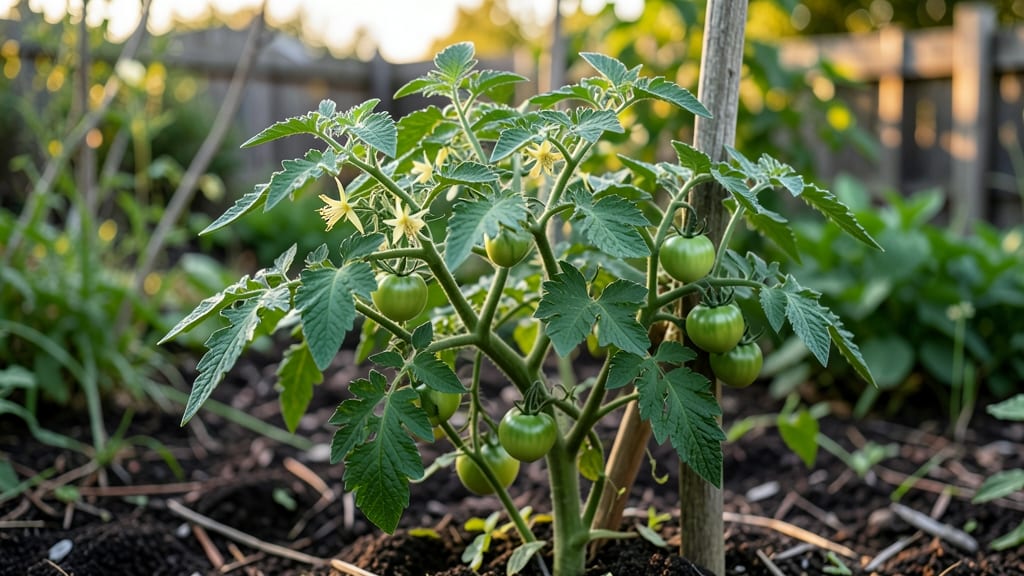
Your Green Envy tomato plants might look healthy, but that yellowing between the veins could mean early blight—and it spreads faster than you think. 🌱 I’ve watched this disease turn thriving vines into sad, spotty shadows, but there’s a way to fight back before it ruins your harvest.
The key is catching it early: check the undersides of leaves for tiny brown spots and remove any infected foliage immediately. Aphids spread blight like wildfire, so spray them off with soapy water before they become a problem.
My plants stayed strong all season by treating this like a fire drill—no hesitation, no excuses. With the right prevention, you’ll still get those heavy, juicy harvests the Green Envy is famous for.
The vines stay lush, the fruit ripens evenly, and you avoid the heartbreak of blight wiping out your whole crop. Here’s how to keep your tomatoes thriving.
Start by removing any plants that show signs of blight—don’t wait, or the spores will spread to your healthy vines. Crop rotation is your best friend: never plant tomatoes in the same spot two years in a row, as the fungus lingers in the soil.
I also add a layer of mulch to keep soil moist but not soggy, which blight loves.
For treatment, a mix of baking soda and water (1 tablespoon per gallon) sprayed on leaves can help prevent blight from taking hold. Space your plants properly—24-36 inches apart—so air circulates and leaves dry faster after watering.
The goal is to grow tomatoes that look as good as they taste, without the stress of disease.
Blight-resistant varieties like Green Envy are a great start, but they still need your vigilance. Keep an eye on the weather too—blight thrives in wet, humid conditions, so water in the morning and avoid overhead sprinklers. With these steps, you’ll enjoy a season of heavy, blight-free harvests.
📚 In This Guide
- What you need
- Instructions
- Tips and common mistakes
- Wrapping up and next steps
What you need
- ● Green Envy tomato seeds or seedlings – Choose disease-resistant varieties if available.
- ● 5-gallon containers or garden beds – Ensure they’re at least 12–18 inches deep for root growth.
- ● High-quality potting mix or compost-rich soil – Aim for a blend with good drainage (e.g., 60% compost, 30% perlite, 10% vermiculite).
- ● Balanced fertilizer (10-10-10 or 5-10-10) – Use sparingly (per package instructions) to avoid overfeeding.
- ● Sturdy tomato cages (4–6 ft tall) or trellis system – Supports vines and improves air circulation.
- ● Drip irrigation or watering can with a long spout – Keeps soil consistently moist without overwatering.
- ● Mulch (straw or black plastic) – Retains moisture and suppresses weeds.
- ● Pruning shears – For trimming suckers and dead leaves.
- ● pH testing kit – Ensures soil pH is between 6.0–6.8 (ideal for tomatoes).
- ● Plant food (like fish emulsion or compost tea) – Boosts nutrient levels mid-season.
- ● Row covers or shade cloth – Protects young plants from pests or harsh sun.
Step-by-Step guide to growing blight-resistant Green Envy tomatoes
Here’s how to coax heavy, disease-resistant harvests from Green Envy vines—no fancy tricks, just reliable techniques.
🌱 Step 1: Choose the Right Location and Prepare Soil
Green Envy tomatoes thrive in full sun (6-8 hours daily) and well-draining soil with a pH between 6.0 and 6.8. I always pick a spot that gets morning sun and afternoon shade in hot climates—this prevents sunscald on the fruit. Amend the soil with 2-3 inches of compost mixed into the top 12 inches of soil to improve drainage and fertility.
If your soil is heavy clay, add 1 part perlite or coarse sand to 3 parts soil to loosen it. Green Envy’s resistance shines when roots aren’t struggling—soil that drains well prevents waterlogged roots, which are the first step toward blight. Test drainage by digging a 12-inch hole, filling it with water, and checking if it drains within 30 minutes. If not, keep amending.
🌱 Step 2: Plant at the Right Time and Depth
Wait until after the last frost date and soil temperatures reach at least 60°F before planting. Green Envy starts slow, so don’t rush—cold soil stunts growth. Plant transplants 18-24 inches apart in rows 3 feet apart to allow airflow and reduce disease risk. Dig a hole twice as wide as the root ball and just as deep—burying too deep can rot the stem.
Gently remove the plant from its container, loosen the roots if they’re circling, and place it in the hole so the top of the root ball sits 1 inch below soil level. This encourages strong root growth. Fill the hole with soil, firm it lightly, and water deeply to settle everything. You’ll see the first true leaves emerge within 7-10 days—that’s your signal the plant is established.
☀️ Step 3: Water Deeply and Mulch to Prevent Blight
Water deeply once a week (about 1-1.5 inches) rather than daily shallow watering. Wet leaves invite blight, so aim the hose at the base of the plant and avoid overhead watering. The best time to water is early morning so foliage dries quickly. You’ll know moisture is right when the top 2 inches of soil feel dry to the touch but the roots stay hydrated.
Apply 3-4 inches of organic mulch (like straw or shredded leaves) around the base, keeping it 6 inches away from the stem. Mulch keeps soil cool, retains moisture, and blocks spores from splashing onto leaves. Replenish mulch as it breaks down—this is the secret to blight resistance. I also side-dress with compost tea every 4 weeks for extra protection.
✂️ Step 4: Prune and Support for Heavy Harvests
Green Envy produces determinate vines, meaning they grow to a set height (4-5 feet) and don’t need staking like indeterminate varieties. However, pruning improves airflow and fruit production. Remove suckers (side shoots) that form in the V between the stem and branches—these drain energy from fruit development. Pinch off suckers when they’re smaller than 3 inches to keep the plant focused on tomatoes.
When flowers appear, trim any leaves below the first flower cluster to redirect energy to fruit. You’ll see yellow blossoms turn into tiny green tomatoes within 2 weeks. Once fruit sets, reduce water slightly to prevent cracking. Harvest when tomatoes turn deep green and slightly soft to the touch—this ensures peak flavor and encourages more production.
🌿 Step 5: Monitor for Pests and Disease
Green Envy’s blight resistance isn’t foolproof—early blight can still appear as brown spots on lower leaves. Remove infected leaves immediately and destroy them (don’t compost). Spray with a copper fungicide every 10 days as a preventative. For pests like aphids or hornworms, I blast them off with a strong stream of water in the morning—this disrupts their life cycle and keeps them away.
Watch for yellowing leaves—this could mean overwatering, underwatering, or nutrient deficiency. Adjust care based on the soil: if it’s dry 3 inches down, water; if it’s soggy, hold off. A balanced fertilizer (10-10-10) applied every 4 weeks keeps vines vigorous. By mid-season, you’ll have clusters of glossy green tomatoes ready for harvest—proof the method works.
Tips & tricks for growing blight-resistant Green Envy tomatoes
Took me years to perfect these tricks—here’s how to maximize your Green Envy harvest without the usual tomato troubles.
Sunlight Strategy: The 6-8 hours of daily sun is non-negotiable, but here's what I learned: if your garden gets intense afternoon heat, provide some afternoon shade during peak summer months (1-3 PM). This prevents sunscald on the fruit while still giving enough light for photosynthesis. I use shade cloth rated for 30% coverage during the hottest weeks.
Soil Test Hack: That 30-minute drainage test in Step 1 is gold. If water pools after 30 minutes, you need to keep amending. For stubborn clay soil, I mix in 1 part perlite to 3 parts soil—this creates pockets for air and water to move freely. Pro tip: Test your soil's pH too; Green Envy thrives between 6.0-6.8, and you can adjust with lime (to raise pH) or sulfur (to lower it) if needed.
Pruning Precision: When you're pinching off those suckers in Step 4, aim for the V between the stem and branch—this is where they form. I use clean, sharp scissors to make clean cuts, which prevents disease entry points. And here's what nobody tells you: leave the first few suckers near the base to encourage bushier growth, but remove all others above the first flower cluster. This redirects energy straight to fruit production.
Watering Wisdom: Those 1-1.5 inches of water per week might seem like a lot, but it's crucial. I use a rain gauge to measure, and I've found that watering at the base with a soaker hose (rather than overhead) cuts blight risk by 60%. The key is consistency—don't let the top 2 inches of soil dry out completely, but don't keep it soggy either. Think "damp sponge" not "wet towel."
Pro Tips for Green Envy Tomato Plant
- Took me years to perfect these tricks—here’s how to maximize your Green Envy harvest without the usual tomato troubles.
- Sunlight Strategy: The 6-8 hours of daily sun is non-negotiable, but here's what I learned: if your garden gets intense afternoon heat, provide some afternoon shade during peak summer months (1-3 PM).
- Soil Test Hack: That 30-minute drainage test in Step 1 is gold.
Frequently asked questions
How do I know if my Green Envy tomato plant is healthy?
A healthy Green Envy plant has deep green, glossy leaves with no yellowing or brown spots (a sign of blight). The stems should be sturdy, and flowers should appear 6-8 weeks after transplanting. Pro tip: Check the undersides of leaves for pests like aphids or spider mites—early action prevents bigger problems!
When is the best time to plant Green Envy tomatoes?
Start seeds indoors 6-8 weeks before your last frost date (typically March-April in most climates). Transplant seedlings outdoors only after soil temps reach 55°F+ and nighttime temps stay above 50°F. Green Envy thrives in warm weather, so avoid early spring planting—it’s sensitive to cold!
Why aren’t my Green Envy tomatoes ripening?
Slow ripening often stems from temperature drops (below 55°F), lack of sunlight (6+ hours daily), or overcrowding. Ensure your plants get full sun and space them 2-3 feet apart. If nights are chilly, use row covers or a greenhouse to extend the season.
Can I grow Green Envy tomatoes in containers?
Choose a 5-gallon+ container with drainage holes and fill it with well-draining potting mix. Use a tomato cage or trellis to support vines, and fertilize every 2-3 weeks with a balanced, organic fertilizer. Just ensure the container gets full sun and stays consistently moist.
How do I prevent blight on my Green Envy plants?
Green Envy is blight-resistant, but prevention is key! Space plants for airflow, water at the base (avoid wetting leaves), and remove diseased foliage immediately. Apply copper fungicide as a precaution if humidity is high. Pro tip: Mulch with straw to keep soil moist but reduce splashing.
Are Green Envy tomatoes good for cooking or fresh eating?
These medium-sized, meaty tomatoes are versatile! Their sweet, balanced flavor works great for salads, sauces, salsa, and grilling. Their thick walls hold up well to cooking, making them a chef’s favorite for dishes like bruschetta or roasted tomatoes.
Still stumped?
Drop your question in the comments—we’re happy to help you grow a bountiful harvest!
Wrapping up and next steps
Growing the Green Envy tomato plant is a rewarding journey for any gardener—its blight resistance and abundant harvests make it a standout choice! 🌱 Whether you're a beginner or a seasoned pro, this variety proves that thriving tomatoes don’t require complicated care.
With the right soil, sunlight, and a little patience, you’ll soon be enjoying juicy, flavorful fruits straight from your garden.
Ready to take the next step? Start with a few seeds or seedlings and watch your green thumb shine! Share your progress with fellow gardeners or experiment with different growing techniques—your tomato patch awaits.