
Pruning
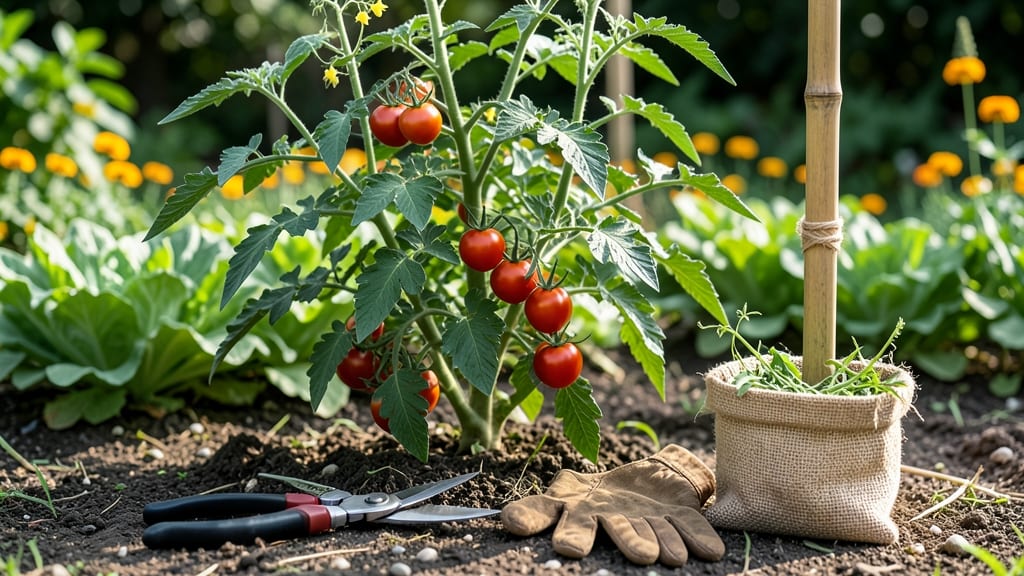
Do you need to trim tomato plants? The answer is a resounding yes—it’s the secret to bigger, healthier fruit and fewer diseases. 🌱 I’ve learned the hard way that skipping this step means smaller harvests and plants that struggle to support their own weight. The key is knowing when and how to prune, because different tomato varieties need completely different approaches. Determinate tomatoes (the bush types) barely need pruning at all—just remove a few lower leaves to improve airflow. Indeterminate varieties (the vining types) thrive when you prune aggressively, pinching suckers and opening the plant up to sunlight. The goal is always the same: stronger stems, more flowers, and fruit that doesn’t rot before ripening. Start pruning when plants hit 18–24 inches tall, focusing on removing suckers (those little shoots in the leaf axils) and any yellow or diseased leaves. Use clean, sharp pruners and work in the morning when the plant is dry—this prevents spreading disease and makes the job easier. You’ll know you’re doing it right when your plants look bushier and start producing clusters of flowers instead of just leaves. The biggest mistake? Over-pruning or trimming too late in the season. If your plants look stressed after pruning, you’ve gone too far. And never prune during wet weather—wait for dry days to avoid fungal issues. With the right technique, you’ll end up with tomatoes so productive, your neighbors will ask for cuttings.
📚 In This Guide
- What you need
- Instructions
- Tips and common mistakes
- Wrapping up and next steps
What you need
- ● Pruning shears or sharp bypass pruners – Look for clean, sharp blades (3–5 inches long) to avoid crushing stems.
- ○ Gloves (optional but recommended) – Wear heavy-duty gardening gloves to protect against thorns and dirt.
- ● Disinfectant (rubbing alcohol or bleach solution) – Wipe tools between cuts to prevent disease spread.
- ● Garden twine or soft ties – For indeterminate varieties, you’ll need 3–5 feet per plant to secure stems to stakes.
- ● Sturdy stakes or cages (if not already in place) – Indeterminate tomatoes need 6–8 ft tall stakes; determinate types may use cages.
- ● Plant growth regulator (e.g., potassium nitrate) – Helps reduce suckers if you’re skipping pruning.
- ● Mulch (straw or shredded leaves) – Keeps soil moist and reduces weed competition.
- ● Hand sanitizer or soap – For post-pruning hand clean-up (trust us, you’ll thank us later!).
Instructions: when and how to prune tomato plants by variety
Here's the straightforward pruning guide I use to maximize yield while keeping plants healthy.
✂️ Step 1: Identify Your Tomato Variety First
Determine whether you're growing indeterminate (vining, continuous producers) or determinate (bush, single-harvest) tomatoes. Indeterminate varieties like 'Sungold' or 'Better Boy' need regular pruning to direct energy upward, while determinate types like 'Roma' or 'Celebrity' rarely require trimming beyond removing diseased leaves. Check your seed packet or plant tag if unsure—this single step prevents over-pruning mistakes.
Look for these visual clues: indeterminate plants grow taller than your ceiling light fixture, while determinate varieties top out around 4-5 feet. I always prune indeterminate plants aggressively, but determinate types get just a light cleanup. Never prune determinate tomatoes more than 10% of their foliage or you'll reduce fruit production dramatically.
✂️ Step 2: Remove Suckers on Indeterminate Varieties
Suckers are the small shoots that form in the leaf axils (where stems meet leaves) of indeterminate plants. Pinch them off when they're no bigger than a pencil eraser—this is when they're easiest to remove without damaging the plant. Use your thumb and forefinger or clean pruners to snap them cleanly at the base. I check for suckers every 3-5 days during the growing season because they appear quickly.
Leave suckers on determinate varieties—they help support the plant's single harvest. For indeterminate plants, remove suckers below the first flower cluster to encourage upward growth. Watch for new suckers forming as the plant grows taller; they'll appear at each new leaf junction. Never let them grow more than 2 inches or they'll compete with your main stem for energy.
✂️ Step 3: Prune Lower Leaves for Airflow
Remove all leaves that touch the soil or grow below the first flower cluster—these create damp conditions that invite disease. Use clean pruners to make cuts at a 45-degree angle just above a leaf node. I prune these leaves early in the season to prevent soil-borne pathogens from spreading upward. For indeterminate plants, also remove leaves that shade developing fruit clusters at the top of the plant.
Leave the top leaves intact until harvest time—they provide shade for ripening fruit and protect it from sunburn. You'll know you've pruned enough when you can see light and air moving freely through the plant's center. Never remove more than one-third of the foliage at a time, or the plant will struggle to support its fruit load. I always prune on dry mornings when humidity is low to prevent fungal infections.
✂️ Step 4: Support and Prune for Heavy Fruit Loads
As your indeterminate tomatoes grow, use stakes or cages (installed at planting) to support the main stem. Prune any side branches that form above the first flower cluster—these compete with your main stem for energy. For determinate varieties, simply remove only the lowest leaves and any diseased foliage. I tie the main stem to its support every 7-10 days as it grows taller to prevent snapping.
Watch for fruit clusters that grow too heavy—they'll bend stems and cause cracks. If you see this happening, remove every other fruit in the cluster to let the remaining tomatoes grow larger. Never remove more than 25% of the fruit at any one time, or the plant will stop producing. I harvest regularly to encourage continuous flowering and fruiting throughout the season.
✂️ Step 5: Stop Pruning 4-6 Weeks Before First Frost
Cease all pruning 4-6 weeks before your first expected frost to let the plant harden off and ripen remaining fruit. For indeterminate varieties, this means leaving all current foliage intact. For determinate types, simply stop removing leaves entirely. I mark my calendar with the frost date and set a reminder to stop pruning—this simple step prevents last-minute mistakes that could ruin your harvest.
Watch for signs of stress like yellowing leaves or wilting stems—these indicate you've pruned too much. At this stage, focus on watering deeply once a week and harvesting ripe tomatoes regularly. The goal is to let the plant channel all its energy into ripening existing fruit rather than producing new growth. I always leave the plant standing until after the first frost to maximize the harvest season.
Tips & tricks for perfect tomato plant pruning
These simple yet game-changing tips will help you prune like a pro—no green thumb required.
Visual Cues Matter: When removing suckers in Step 2, look for the telltale "V" shape where the sucker meets the main stem. These tiny shoots appear in the leaf axils (where leaves connect to the stem) and should be no bigger than a pencil eraser when you remove them. I use my thumb and forefinger to pinch them off cleanly—this prevents damage to the main stem. For indeterminate plants, focus on suckers below the first flower cluster to keep energy flowing upward.
Pruning Timing Secret: The 3-5 day check for new suckers in Step 2 is non-negotiable. I set a reminder on my phone because these little shoots grow surprisingly fast. Early morning is the best time to prune—humidity is low, and the plants are less stressed. Avoid pruning after rain or when leaves are wet to prevent fungal infections. If you're short on time, prioritize removing suckers over other pruning tasks.
Tool Technique: Always use clean pruners or your fingers for removing suckers and lower leaves. I keep a small bottle of rubbing alcohol nearby to wipe down my pruners between cuts—this prevents spreading disease from plant to plant. For larger branches, make cuts at a 45-degree angle just above a leaf node to encourage proper healing. Never leave stubs—they can trap moisture and invite rot.
Seasonal Strategy: The 4-6 week rule before frost in Step 5 is crucial for indeterminate varieties. I mark this date on my calendar and set a reminder to stop all pruning. This gives the plant time to harden off and ripen remaining fruit. For determinate varieties, simply stop removing leaves entirely at this point. The goal is to let the plant focus all its energy on ripening existing tomatoes rather than producing new growth.
Pro Tips for Do You Need To Trim Tomato Plants
- These simple yet game-changing tips will help you prune like a pro—no green thumb required.
- Visual Cues Matter: When removing suckers in Step 2, look for the telltale "V" shape where the sucker meets the main stem.
- Pruning Timing Secret: The 3-5 day check for new suckers in Step 2 is non-negotiable.
Frequently asked questions
Got questions about trimming your tomato plants? You’re not alone—gardeners often debate the best approach! Here are answers to the most common queries to help you grow healthier, more productive plants.
Why do some tomato plants need pruning but others don’t?
Pruning needs depend on the variety. Indeterminate tomatoes (like Roma or Beefsteak) grow continuously and require pruning to focus energy on fruit production. Determinate tomatoes (like Cherry or Bush Early Girl) grow to a fixed size and don’t need pruning—they produce fruit all at once. Always check your seed packet or plant tag!
When is the best time to trim tomato plants?
Start pruning early—as soon as your plant reaches 12–18 inches tall. Indeterminate varieties need regular trims (every 1–2 weeks) during the growing season, while determinate types rarely need it. Avoid heavy pruning late in the season, as it can stress the plant before harvest. Pro tip: Prune in the morning when plants are dry to reduce disease risk.
What happens if I don’t trim my tomato plants?
Unpruned indeterminate tomatoes may produce smaller, fewer fruits because energy goes to excessive foliage instead of blooms. You might also see more pests/diseases (like blight) due to poor airflow. Determinate types, however, will still fruit—just in a bushier, less controlled manner. Think of pruning as a trade-off between effort and yield!
Can I use pruned tomato stems for anything else?
Don’t toss those clippings
—they’re great for compost (chop into smaller pieces first). You can also use them as mulch around the base of your plant (keep it 2–3 inches away from the stem to prevent rot). Just avoid piling wet or diseased stems near the plant to avoid mold or pests.
What if my tomato plant looks sad after pruning?
Don’t panic! Light pruning (removing 1–2 suckers at a time) is normal and won’t harm your plant. If it looks stressed, water deeply and avoid pruning for a week. Over-pruning (more than ⅓ of the foliage at once) can shock the plant. Watch for signs: Wilting leaves or slow growth may mean you’ve gone too far—scale back next time!
Wrapping up and next steps
Deciding whether to trim your tomato plants comes down to one key factor: the variety. Indeterminate types thrive with regular pruning for bigger yields, while determinate varieties rarely need it. Whether you’re pinching suckers, removing leaves, or staking your plants, confidence in technique is your best tool—no guesswork required!
Ready to take the next step? Grab your pruners and start with just one plant to practice. Watch as your garden transforms into a thriving, productive paradise—one snip at a time! 🌱✂️