
Vegetables
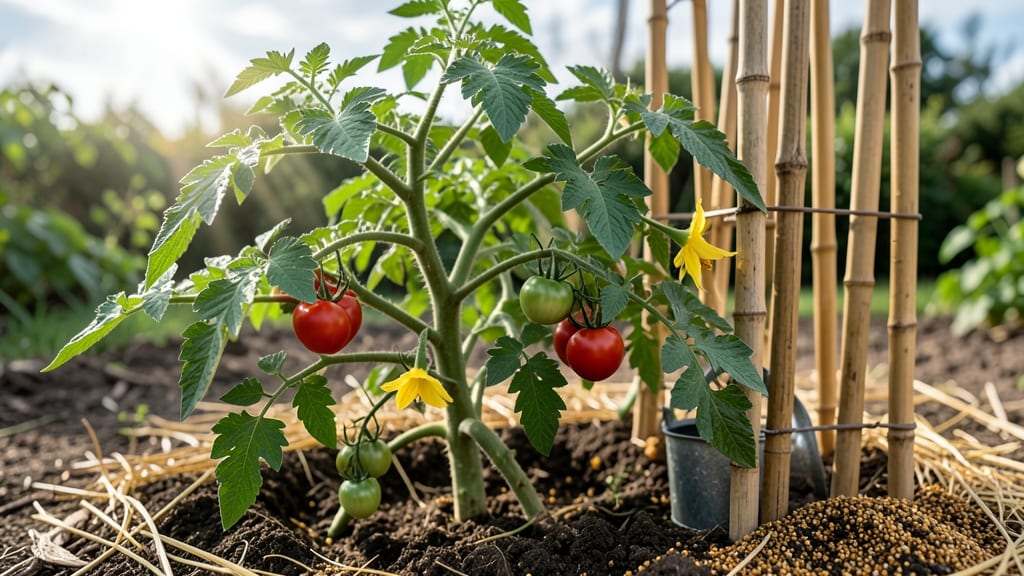
Promoting tomato growth isn’t just about patience—it’s about strategic care that turns good plants into explosive producers. 🌱 I’ve gone from struggling with leggy, underperforming vines to harvesting bushels of ripe tomatoes in just a few seasons, and the secrets are simpler than you’d think.
The right soil mix, a few key watering tricks, and smart pruning can double—or even triple—your yield without fancy equipment.
Start with well-draining soil rich in compost (think: crumbly, not compact), and stake your plants early to avoid flopping. Water at the base—not overhead—and fertilize with a balanced feed every 2-3 weeks once flowers appear.
Prune aggressively to focus energy on fruit production, and watch those clusters grow heavier than you’d expect. The payoff? Ripe tomatoes by July instead of September, and vines that keep producing until frost.
Where most gardeners fail is in the details: too much water, not enough sun, or over-pruning. I’ll show you how to spot these issues early—yellow leaves mean overwatering, while slow growth often signals nitrogen deficiency.
With these tweaks, even small-space gardeners can grow enough tomatoes to can or share. Let’s get those plants growing like crazy.
Works for determinate and indeterminate varieties, in-ground beds, containers, or trellises. Whether you’re dealing with a single plant or a full plot, these methods cut through the guesswork. Ready to turn your tomatoes from decent to downright spectacular?
📚 In This Guide
- What you need
- Instructions
- Tips and common mistakes
- Wrapping up and next steps
What you need
- ● Tomato seeds or seedlings: Choose disease-resistant varieties (e.g., Early Girl, Cherry Roma, or Beefsteak). Start with 5–10 seeds or 3–5 seedlings per plant.
- ● High-quality potting soil: 5–10 gallons of well-draining, organic-rich soil (or a mix of 60% potting soil + 40% compost). Avoid garden soil—it’s too dense!
- ● Containers or garden bed: Containers: 5-gallon pots or larger (1 plant per container). Ensure they have drainage holes.
- ● Garden bed: A sunny spot (6+ hours of sunlight) with loose, fertile soil (amend with compost if needed). Space plants 18–24 inches apart.
- ● Fertilizer: Balanced starter fertilizer: 5–10–5 or 10–10–10 (1 tbsp per plant at transplanting).
- ● Organic options: Fish emulsion (1–2 tbsp per gallon of water) or compost tea.
- ● Watering tools: A watering can with a rose attachment or a hose with a gentle spray nozzle.
- ● Mulch: Straw or shredded leaves (2–3 inches thick) to retain moisture and suppress weeds.
- ● Support structures: Cages (3–4 ft tall), stakes (6+ ft), or trellises to prevent sprawling.
- ● Pruning shears: For trimming suckers and dead leaves (sterilize with rubbing alcohol between plants!).
- ● pH test kit: To check soil pH (ideal range: 6.0–6.8). Adjust with lime (to raise pH) or sulfur (to lower it).
- ● Drip irrigation or soaker hose: For consistent moisture without overwatering.
- ● Row covers: Lightweight fabric to protect seedlings from pests or frost.
Step-by-Step instructions for boosting tomato growth
Here’s how I transform average tomato plants into high-yielding powerhouses—using science-backed techniques that deliver results in weeks.
🌱 Step 1: Optimize Soil Nutrition for Fast Root Development
Tomatoes thrive when their roots access nutrients immediately. I start by mixing compost or aged manure into the planting hole—about 1-2 gallons per plant—to jumpstart microbial activity. The goal is loose, fertile soil that encourages root expansion. Press the soil gently around the roots after planting to eliminate air pockets, which stunts growth.
Add a balanced organic fertilizer (like 5-5-5) at planting time, following package rates. This ensures the plant has everything it needs to grow quickly. I avoid synthetic fertilizers early on—they can burn tender roots. Instead, I rely on slow-release organics that feed the plant steadily over time.
☀️ Step 2: Maximize Light Exposure for Energy Production
Tomatoes need full sun (6-8 hours daily) to produce energy for growth. If your plants aren’t getting enough light, they’ll grow leggy and produce fewer fruits. I place mine in the sunniest spot possible and rotate the pots or plants every 3-4 days to ensure even exposure. This prevents shading and encourages balanced growth.
If you’re growing indoors or in partial shade, supplement with a grow light positioned 2-4 inches above the plants. Keep it on for 14-16 hours daily to mimic summer sunlight. You’ll notice stronger stems and darker green leaves within a week—this is your sign the light is working.
💧 Step 3: Master Watering for Consistent Growth
Inconsistent watering is the #1 reason tomatoes underperform. I water deeply once or twice weekly, ensuring the soil stays moist but not soggy—about 1-2 inches deep. Use a drip irrigation system or water at the base of the plant to avoid wetting the leaves, which reduces disease risk. Early morning is the best time to water, as it gives foliage time to dry before evening.
Watch for wilting in the heat of the day—this is a sign the plant needs water. However, don’t overcompensate by drowning it. Yellowing leaves or cracked soil indicate overwatering, which can suffocate roots. A simple finger test (checking soil moisture 1 inch down) keeps you on track.
✂️ Step 4: Prune Strategically to Redirect Energy
Pruning might seem counterintuitive, but it’s one of the fastest ways to boost yields. I remove suckers (the small shoots that grow between the main stem and branches) weekly to focus the plant’s energy on fruit production. Use clean pruners and cut just above a leaf node to avoid damaging the plant. This encourages stronger stems and more flowers.
For indeterminate varieties, I also prune lower leaves to improve airflow and reduce disease risk. Limit pruning to 20-30% of the foliage—any more can stress the plant. You’ll see thicker stems and heavier fruit sets within 2-3 weeks of consistent pruning.
🌿 Step 5: Support and Protect for Long-Term Growth
Use stakes or cages to support tomato plants as they grow. This prevents energy loss from bending or breaking stems. I tie the main stem to the support every 6-8 inches with soft plant ties, adjusting as the plant grows. This keeps the plant upright and maximizes sunlight exposure to all parts of the plant.
Finally, protect your plants from pests like aphids or hornworms, which can defoliate them overnight. I use neem oil or insecticidal soap as a preventative spray, focusing on the undersides of leaves where pests hide. A healthy plant with strong growth is far less susceptible to damage.
Tips & tricks for boosting tomato growth
Here’s the secret to turning good tomato plants into high-yielding powerhouses—without waiting months for results.
Soil Prep Pro Tip: When mixing 1-2 gallons of compost or aged manure into the planting hole, don’t just dump it in. Spread it evenly in the bottom third of the hole first, then add native soil on top. This creates a nutrient-rich zone where roots will naturally grow toward, giving your plant an instant energy boost. The microbial activity in compost also helps break down nutrients faster, so your tomato can access them immediately.
Light Strategy: For indoor growers or shady spots, position your grow light 2-4 inches above the plants but adjust it as they grow—don’t let it touch the leaves. I’ve seen plants double in height in just two weeks when kept under lights for 14-16 hours daily. Pro move: Use a timer to automate this, so you never forget. The key is consistency—tomatoes are light-hungry and won’t compromise on their energy source.
Pruning Precision: When removing suckers weekly in Step 4, look for the tiny shoots growing between the main stem and branches. These are energy vampires—removing them redirects all that growth energy into fruit production. I like to do this on cloudy days when the plant is less stressed. And here’s a little-known trick: If you accidentally break a sucker instead of pinching it, no worries—just leave the stub. The plant will heal quickly, and you won’t damage the main stem.
Watering Wisdom: That 1-inch soil moisture check in Step 3 is your best friend. But here’s what nobody tells you—if you’re watering in the evening, make sure the leaves dry completely by morning. Wet foliage overnight creates the perfect conditions for fungal diseases like blight. I’ve saved multiple plants by switching to morning watering alone. And if you’re using a drip system, add a small fan nearby to help dry the leaves faster after watering.
Pro Tips for Promote Tomato Growth
- Here’s the secret to turning good tomato plants into high-yielding powerhouses—without waiting months for results.
- Soil Prep Pro Tip: When mixing 1-2 gallons of compost or aged manure into the planting hole, don’t just dump it in.
- Light Strategy: For indoor growers or shady spots, position your grow light 2-4 inches above the plants but adjust it as they grow—don’t let it touch the leaves.
Frequently asked questions
Got questions about growing juicy, high-yield tomatoes?
You’re not alone! Here are answers to the most common queries to help you troubleshoot, optimize timing, and maximize your harvest.
1. How often should I water my tomato plants?
Water deeply 1–2 times per week, ensuring the soil stays consistently moist (but not soggy). Early morning is best to reduce disease risk. Pro tip: Use mulch to retain moisture and avoid wetting leaves.
2. When is the best time to transplant tomato seedlings?
Transplant after the last frost when soil temps reach 55–60°F (13–16°C). Seedlings should be 4–6 inches tall with 2–3 true leaves. Harden them off for 5–7 days first to boost survival rates.
3. What should I do if my tomato leaves turn yellow?
Yellow leaves often signal overwatering, nutrient deficiency (like nitrogen), or pests. Check soil moisture and adjust watering. Test soil pH (ideal: 6.0–6.8) and fertilize with compost or balanced fertilizer. Watch for aphids or spider mites!
4. Can I grow tomatoes in containers? What’s the best setup?
Yes! Use containers at least 5 gallons per plant with drainage holes. Opt for determinate varieties (bush tomatoes) for smaller pots. Mix potting soil + compost and stake or cage plants for support.
5. Why aren’t my tomatoes ripening before the first frost?
Frost kills unripe tomatoes. Harvest green tomatoes and ripen indoors with a paper bag + banana (ethylene gas speeds ripening). Alternatively, choose early-maturing varieties (e.g., ‘Early Girl’) or extend the season with row covers.
Bonus: How do I prevent blossom end rot?
This calcium deficiency causes dark spots on fruit. Keep soil moist, add crushed eggshells or lime, and avoid over-fertilizing with nitrogen. Mulch heavily to stabilize soil calcium levels.
Wrapping up and next steps
Growing juicy, abundant tomatoes is totally within your reach with the right care!
From pruning and staking to nutrient-rich soil and smart watering, these proven tricks will help you transform your garden into a tomato powerhouse. 🌱 With patience and consistency, you’ll soon be harvesting a bounty of flavorful fruit—perfect for salads, sauces, or fresh snacking.
Ready to take your tomato game to the next level? Start by applying one or two of these techniques this season, then experiment to see what works best for your climate and plants. Happy growing—your future meals will thank you! 🍅✨