
Pests
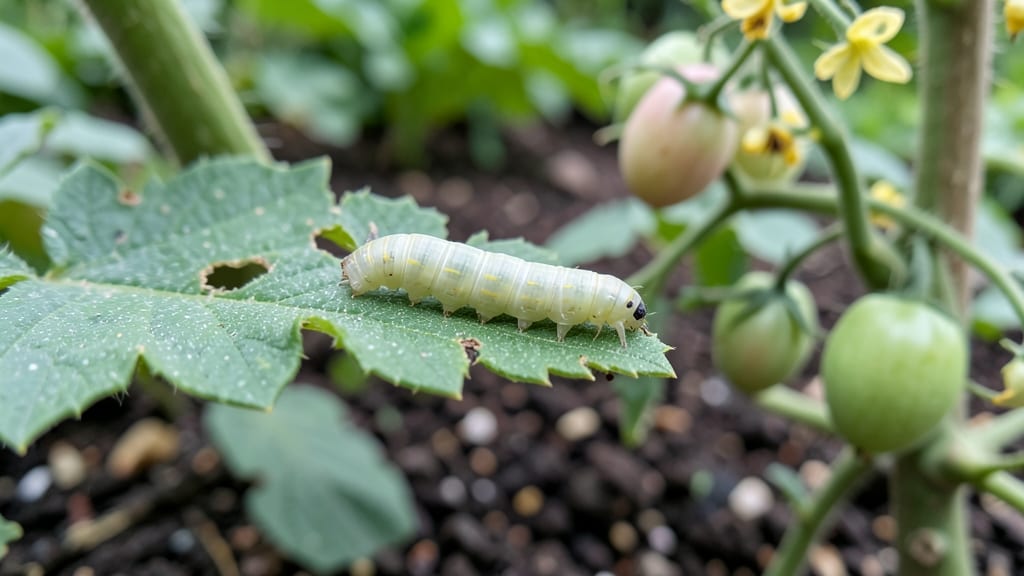
Deer eat tomato leaves voraciously, especially when targeting young plants and tender new growth, which can severely stunt or even kill vulnerable seedlings. While they favor foliage over ripe fruit, heavy browsing may still damage both.
This destructive habit stems from deer's preference for high-protein, moisture-rich vegetation—tomato leaves fit the bill perfectly. 🌱 Young plants are particularly appealing because their soft leaves are easier to digest, while mature plants offer less nutritional payoff.
The damage often peaks during spring and summer when deer are most active and plants are most vulnerable. What's worse is that deer rarely eat the fruit until it's overripe, meaning your harvest may still suffer even if the leaves survive.
Understanding this behavior helps gardeners implement targeted protection strategies. Physical barriers like fencing or organic repellents can create a buffer zone around your tomato plants, while selecting deer-resistant varieties adds an extra layer of defense.
The key is acting early—once deer establish a pattern, they'll keep returning to the same food source.
💡 In This Article
- Why Deer Target Tomato Plants and Leaves
- Effective Deer-Resistant Tomato Varieties and Protection Methods
Why deer target tomato plants and leaves
Deer primarily consume tomato leaves due to their high moisture and protein content, which aligns perfectly with their dietary needs. Young tomato plants contain about 20-25% protein in their leaves compared to mature leaves (10-15%), making them a nutritional powerhouse for browsing deer.
The tender foliage also requires less chewing effort, saving energy during their nightly foraging sessions. 🌱 This preference explains why gardeners often notice severe damage to seedlings and young plants, even when mature tomatoes remain untouched.
The seasonal timing of this behavior is critical. Deer exhibit peak feeding activity during spring and early summer when new growth is abundant and nutrient-dense. Studies show that deer consume 30-50% more vegetation during these months compared to fall or winter.
Tomato plants in their vegetative stage (before flowering) are particularly vulnerable because their leaves contain higher levels of soluble sugars and amino acids, which deer find irresistible. The damage pattern often reveals itself through jagged edges on leaves or completely stripped stems, a clear sign of deer activity.
Plant maturity plays a crucial role in deer feeding patterns. Young tomato plants (under 6-8 inches tall) are most at risk because their delicate stems can't withstand the weight of deer browsing. As plants mature, their leaves become tougher and less palatable, but the damage isn't limited to foliage.
Deer may still nibble on lower leaves or vines, reducing overall plant vigor. The key insight is that deer prioritize nutrition over quantity, which is why they'll often leave mature tomato plants alone unless other food sources are scarce. 🦌
Understanding these patterns helps explain why some gardeners experience complete devastation while others see minimal damage. Factors like garden location (deer population density), plant variety (some tomatoes are more palatable than others), and even weather conditions (drought-stressed plants may become more appealing) all influence deer feeding behavior.
The most vulnerable period occurs during late spring to early summer, when deer are most active and tomato plants are in their most nutritious growth phase.
What's particularly frustrating for gardeners is that deer rarely eat the actual tomato fruit until it's overripe. This means your harvest may still suffer even if the leaves survive, as the plant's overall health and productivity are compromised by early browsing.
The damage creates an entry point for diseases and pests, further reducing your yield. This selective feeding behavior makes tomato plants a prime target for deer management strategies that focus on protecting young growth during critical development stages.
To visualize the damage patterns, imagine a tomato plant that's been browsed by deer: the top leaves are completely stripped, leaving only the tougher stems, while the lower leaves show clean, jagged bite marks.
This tells you exactly where to focus your protection efforts - the upper growth zones where deer find the most tender, nutritious foliage.
The key takeaway is that deer aren't just randomly browsing; they're making highly selective, nutrition-driven feeding choices that can be predicted and mitigated with the right knowledge. 🌿