
Blooming
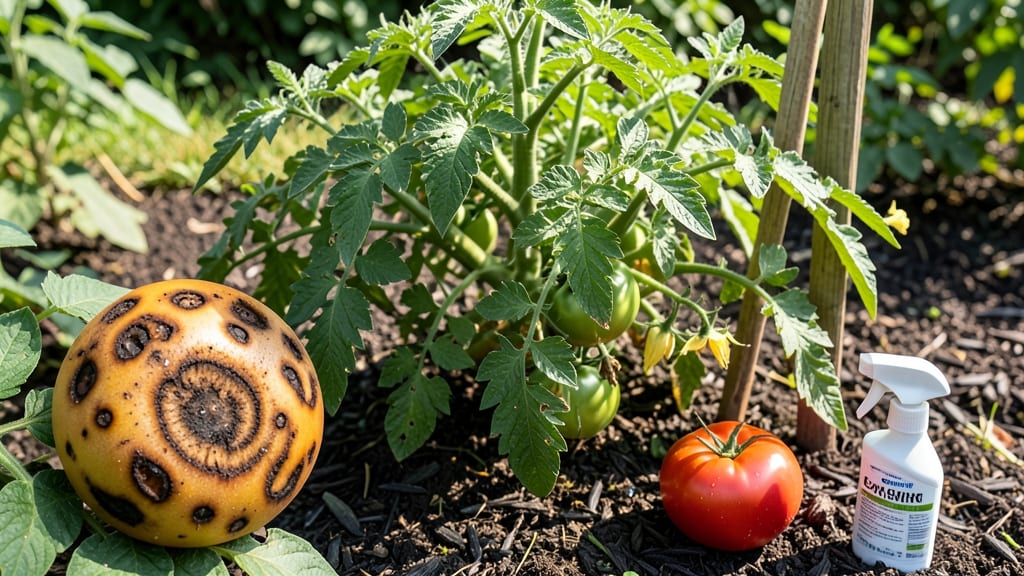
Anthracnose in tomato fruit doesn’t have to ruin your harvest—those telltale black spots can be stopped before they spread. The disease starts as tiny specks that multiply into sunken, leathery patches, turning your prized produce into inedible messes—but I've learned how to stop it before it starts. The key is catching it early, when those first dark spots appear on leaves or fruit.
This fungal disease thrives in warm, wet conditions, so proper spacing and airflow are your first line of defense. I've seen gardeners lose entire tomato cages to anthracnose because they packed plants too closely.
Copper fungicide sprays work well when applied preventatively, but organic gardeners can use neem oil or baking soda mixtures for the same effect.
By the time you see black spots on fruit, it's too late to save that tomato—but you can still salvage the plant. Remove infected leaves immediately, rotate crops next season, and choose resistant varieties like 'Mountain Merit' or 'Defiant PhR.' Your next harvest will be spot-free if you act now.
Works for backyard gardens, containers, and even greenhouse tomatoes. The same principles apply whether you're growing cherry tomatoes or beefsteaks. Here's how to protect your plants all season long.
Root Causes Of Tomato Fruit Spots
Anthracnose in tomato fruit isn’t just a random bad luck scenario—it’s the result of a perfect storm of pathogen activity, environmental stress, and poor growing conditions.
Understanding these triggers is the first step to stopping the spread. Below, we break down the key culprits behind those unsightly (and harmful) black spots.
The primary cause of anthracnose in tomatoes is the fungus Colletotrichum coccodes. This sneaky pathogen thrives in warm, humid conditions and can survive in soil, plant debris, and even infected seeds for years. Here’s how it hijacks your tomatoes:
- Entry Points: The fungus often invades through wounds (like cracks from uneven watering, hail damage, or physical injury) or natural openings like the calyx (the flower end of the tomato).
- Moisture Love: High humidity (above 80%) and prolonged leaf wetness create the ideal breeding ground. The fungus produces spores that splash onto fruit during rain or overhead irrigation.
- Temperature Sweet Spot: Anthracnose loves temps between 77–86°F (25–30°C). Cooler nights followed by hot days? That’s an open invitation for the fungus to multiply.
💡 Pro Tip: If your tomatoes are ripening in shady, damp areas (like under dense foliage), the risk skyrockets. Prune plants for airflow and avoid overhead watering.
Overwatering or inconsistent moisture doesn’t just drown roots—it invites fungal feasts. Here’s how water plays a role:
| Problem | Why It Matters |
|---|---|
| Overhead irrigation | Spores splash onto fruit like tiny infectious raindrops. |
| Poor drainage | Soggy soil keeps spores alive and active near roots. |
| Uneven watering | Sudden dry spells cause fruit to crack, creating entry points for the fungus. |
| Watering at night | Leaves stay wet longer, extending the fungus’s party time. |
🔥 Hot Fix: Use drip irrigation or soaker hoses to deliver water at the base of plants. Water in the early morning so foliage dries by evening.
Stressed tomatoes are like open doors for pathogens. Common stressors that weaken fruit defenses include:
- Nutrient Deficiencies: Low potassium or calcium makes fruit physically vulnerable to cracking and infection. Think of it like a tomato with weak skin—one drop of rain and bam, fungus moves in.
- Overcrowding: Plants competing for air and sunlight create humid microclimates perfect for spores. Dense canopies also trap moisture.
- Poor Airflow: Stagnant air = higher humidity. Fungal spores hitchhike on wind or insects to reach ripe fruit.
- Physical Damage: Hail, birds, or even rough handling during harvest can create wounds the fungus exploits.
🌡️ Science Note: Tomatoes with high sugar content (like overripe fruit) are more susceptible because the fungus feasts on those sugars during infection.
Not all gardens are created equal—and neither are their anthracnose risks. These environmental factors tip the scales:
- Humid Climates: Regions with frequent rain or high humidity (like the Southeast U.S. or tropical areas) see year-round anthracnose threats.
- Hot, Dry Heatwaves: While the fungus prefers moisture, sudden heat can stress tomatoes, weakening their natural defenses.
- Organic Matter Buildup: Old plant debris, compost piles, or mulch harbor dormant spores. The fungus can reawaken when conditions are right.
- Monoculture Farming: Growing tomatoes in the same spot yearly without rotation lets the fungus build a fortress in the soil.
✨ Prevention Hack: If your area is prone to anthracnose, plant resistant varieties like ‘Mountain Merit’ or ‘Defiant PhR’—they’re bred to fight back.
How to Treat and Prevent Fungal Spots
Now that you know what causes those unsightly black spots on your tomatoes, let’s tackle the problem head-on with practical, actionable solutions.
Whether you’re dealing with an existing outbreak or want to stop it before it starts, these strategies will help you protect your harvest—without losing your sanity (or your tomatoes!) 🍅🚫😅.
Cause: Fungal spores spread like wildfire when left on the plant. Fix:
- Pick and toss any tomatoes showing black spots, lesions, or sunken areas—do not compost them (the fungus can survive and reinfect).
- Use sterilized pruners or gloves to avoid transferring spores to healthy fruit.
- Pro tip: 💡 Check the undersides of leaves and fruit stems—spores love hiding there!
Cause: Wet leaves and crowded plants create the perfect fungal buffet. Fix:
- Space plants 18–24 inches apart (if growing in the ground) or prune suckers to allow airflow.
- Water at the base (not overhead) and early in the day so foliage dries by evening.
- Use drip irrigation instead of sprinklers to keep leaves dry.
- Pro tip: 🌡️ If humidity is high, mulch with straw (not plastic) to absorb excess moisture without trapping dampness.
Cause: Anthracnose thrives when natural defenses are overwhelmed. Fix:
- Preventive sprays (before symptoms appear):
- Copper fungicide (e.g., Copper Soap or Bordeaux Mixture) – Spray every 7–10 days during wet seasons.
- Neem oil (1 tsp per quart of water + a drop of dish soap) – Fungicidal and preventive (reapply after rain).
- Baking soda spray (1 tsp baking soda + 1 quart water + a drop of soap) – Safe for organic gardens.
- Curative sprays (if spots appear):
- Potassium bicarbonate (follow label rates) – Helps stop spread but won’t reverse damage.
- Chlorothalonil (e.g., Daconil) – Chemical option for severe cases (use last resort).
- Pro tip: 🎯 Spray in the evening to reduce leaf burn from sunlight.
Cause: Weak or stressed plants are easier targets. Fix:
- Choose resistant varieties like ‘Mountain Merit,’ ‘Defiant PhR,’ or ‘BHN 589’ (breeders engineer these to fight anthracnose!).
- Fertilize properly – Too much nitrogen = soft, susceptible fruit. Use a balanced 5-5-5 or 10-10-10 fertilizer instead.
- Avoid overwatering – Let soil dry slightly between waterings (stick your finger in—if the top inch is dry, it’s time).
- Pro tip: 💪 Silica-rich sprays (like potassium silicate) can boost cell walls and deter fungi.
Cause: Old plant material = fungal hotel. Fix:
- Remove ALL plant debris (leaves, stems, fallen fruit) from the garden and compost pile.
- Solarize soil (cover with clear plastic for 4–6 weeks in hot sun) to kill lingering spores.
- Rotate crops – Don’t plant tomatoes (or related plants like peppers/eggplants) in the same spot for 2–3 years.
- Pro tip: ✨ Plant marigolds or garlic nearby—they repel fungi and attract beneficial insects!
- Start with healthy seedlings – Buy from reputable nurseries or grow from disease-free seeds.
- Disinfect tools – Soak pruners in 10% bleach solution (1 part bleach to 9 parts water) between uses.
- Monitor weather forecasts – Heavy rain + high humidity? Step up sprays proactively.
- Harvest early – Pick tomatoes before they fully ripen (green or breaker stage) if anthracnose is rampant, then ripen indoors.
Final Thought: Anthracnose doesn’t have to be a harvest-ending nightmare—prevention is your best weapon. Stay vigilant, act fast, and your tomatoes will thank you with juicy, blemish-free perfection! 🍅💚
Frequently asked questions
Can I still eat tomatoes with anthracnose?
Only if the black spots are very small and limited to one side. Cut away the infected area with 1 inch of healthy tissue around it. Never eat tomatoes with sunken, leathery patches or extensive spotting—they’re often too far gone. When in doubt, toss them to prevent spreading spores.
Why does anthracnose appear worse in some years?
This fungal disease thrives when summer temps stay between 77–86°F (25–30°C) with high humidity. Heavy rain, poor airflow, and overcrowded plants create perfect conditions. If your area had wetter-than-usual summers or you skipped crop rotation, expect more outbreaks.
Will copper spray harm my tomato plants?
When used correctly, copper fungicides are safe for tomato plants. Apply in the evening and avoid spraying when temps exceed 85°F (29°C) to prevent leaf burn. Follow label rates—too much copper can actually hurt your plants over time.
How do I know if my tomato spots are anthracnose vs. something else?
Anthracnose starts as tiny dark specks that grow into sunken, circular lesions with concentric rings. Early signs appear on fruit stems or leaf undersides. Unlike blight (which causes brown, dry patches), anthracnose lesions are leathery and moist when fresh.
Can I use the same tomato varieties year after year?
No—planting the same varieties in the same spot increases anthracnose risk. The fungus overwinters in soil and debris, so rotate crops every 2–3 years. If you must reuse space, choose resistant varieties like 'Mountain Merit' and practice soil solarization first.