
Vegetables
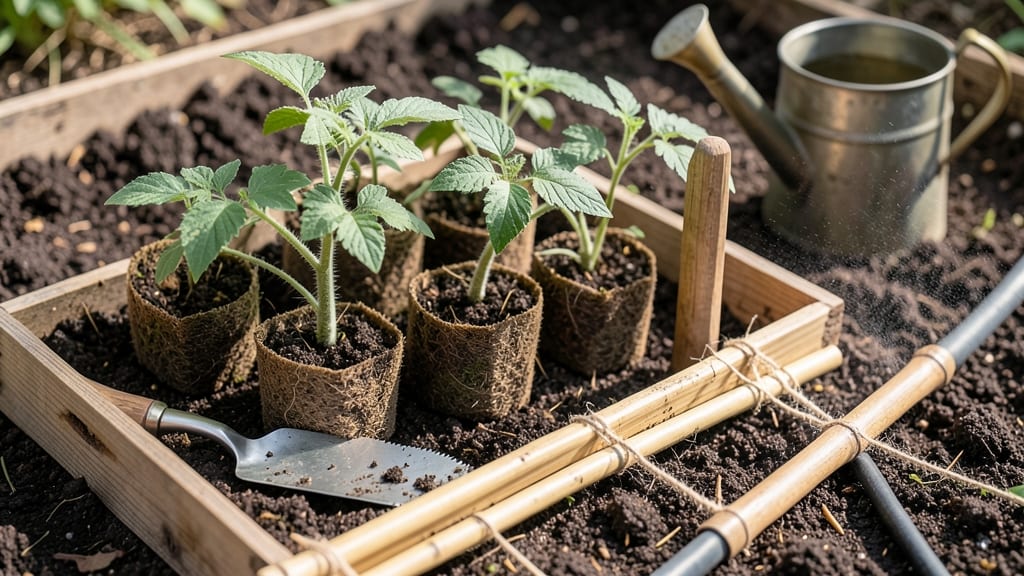
My Cherokee Purple tomato seedlings are the star of every summer dinner—deep purple flesh that looks like it belongs in a painting, not a garden. 🌱 The secret to growing them isn’t just luck; it’s about timing, soil, and a little extra care that transforms these seedlings into the most flavorful tomatoes you’ll ever taste.
Start with sturdy, dark-green seedlings from a trusted source, and plant them after your last frost when soil reaches 60°F. These tomatoes need full sun (6-8 hours daily) and well-draining soil rich in organic matter—think compost mixed into the top 12 inches.
Space them 24-36 inches apart to give their vines room to sprawl. Water deeply at the base (not overhead) to prevent disease, and fertilize lightly with compost tea every 3-4 weeks. The first tomatoes appear around 70-80 days, and the flavor?
Rich, smoky, and sweet with just a hint of tang—worth every extra minute of care. Avoid overcrowding (they hate competition) and watch for blight by keeping foliage dry. With the right setup, you’ll end up with tomatoes so stunning, neighbors will ask for cuttings—and you’ll happily share the secret.
📚 In This Guide
- What you need
- Instructions
- Tips and common mistakes
- Wrapping up and next steps
What you need
- ● Cherokee Purple tomato seeds – 3–5 seeds per seedling (or pre-started seedlings from a nursery).
- ● Seed-starting mix – 10–15 lbs of sterile, well-draining potting soil (avoid garden soil—it’s too dense!).
- ● Seed trays or biodegradable pots – 2–4 inch pots (6–12 total, depending on quantity).
- ● Grow lights or sunny windowsill – 12–16 hours of light daily (south-facing window or LED grow lights work best).
- ● Spray bottle – For gentle watering (avoid over-saturating seeds!).
- ● Plastic wrap or humidity dome – To retain moisture while seeds germinate.
- ○ Fertilizer (optional but helpful) – A balanced, water-soluble fertilizer (5-10-5 ratio) or compost tea for young seedlings.
- ● Small hand trowel or spoon – For planting seeds (¼ inch deep).
- ● Labels & markers – To track planting dates and varieties (trust us, you’ll forget!).
- ○ Heat mat (optional) – Speeds up germination (70–80°F is ideal).
- ● Transplanting tools – If moving seedlings outdoors later (small shovel, gloves).
- ● Patience & consistency – Cherokee Purples thrive with steady care (no rushing!).
- ● 🌡️ Temperature check: Keep soil warm (70–85°F) for faster germination.
- ● ✨ Lighting hack: If using a windowsill, rotate trays daily for even growth.
- ● 💧 Watering rule: Keep soil moist but not soggy—bottom-watering (placing trays in shallow water) helps!
Step-by-step instructions for growing Cherokee Purple tomato seedlings
Here's how I grow robust Cherokee Purple seedlings that thrive and produce stunning fruit.
🌱 Step 1: Start Seeds Indoors 6-8 Weeks Before Last Frost
Fill 2-3 inch deep biodegradable pots with seed-starting mix and moisten until damp but not soggy. Cherokee Purple seeds germinate best at 75-85°F, so place pots on a seedling heat mat or in a warm spot. Plant seeds ¼ inch deep—any deeper delays germination because the seedling struggles to reach light.
Cover the tray with plastic wrap to retain warmth and humidity, then place in indirect light. Check daily for condensation—remove the wrap once 50% of seeds sprout (usually in 7-10 days). This prevents damping-off, a fungal disease that collapses seedlings overnight. I always label pots with the date and variety to avoid confusion later.
☀️ Step 2: Provide Strong Light Immediately After Germination
The instant seedlings emerge, move them under grow lights or to a south-facing window>. Cherokee Purples need 14-16 hours of light daily>—without enough, they stretch leggy and weak. Position lights 2-3 inches above seedlings> and raise them as plants grow to maintain that distance.
You'll know light is sufficient when seedlings have thick stems> and leaves spaced 1 inch apart>. If they look pale or reach toward the light, move them closer. I rotate pots quarter-turn daily> to prevent leaning and encourage even growth. Avoid cold drafts—these tomatoes hate temperature swings below 50°F.
💧 Step 3: Water and Fertilize for Strong Starts
Water seedlings when the top inch of soil feels dry>. Use a spray bottle to avoid disturbing tender stems, and always water at the base. Cherokee Purples are sensitive to overwatering—yellowing leaves signal too much moisture. After 2 weeks>, switch to a balanced liquid fertilizer (10-10-10) diluted to half strength> to encourage sturdy growth.
When seedlings develop 2 sets of true leaves> (not the first seed leaves), gently pinch off the top set to encourage bushier growth. This redirects energy to lateral stems, which later support more fruit. I also start hardening off seedlings 2 weeks before transplanting> by placing them outside in shade for 1 hour daily>, gradually increasing time.
🪴 Step 4: Transplant Outdoors After All Frost Risk Passes
Choose a sunny spot with 6-8 hours of direct sun> and well-draining soil. Cherokee Purples thrive in 60-85°F> temperatures and need 18-24 inches of space> between plants. Dig holes slightly deeper than the pot to bury stems 1-2 inches>—this encourages stronger root systems.
Water deeply after transplanting to settle soil around roots, then mulch with 2-3 inches of organic mulch> to retain moisture and suppress weeds. Avoid fertilizing immediately—newly transplanted seedlings need time to adjust. Watch for first true leaves> to appear within 10-14 days>, signaling successful establishment.
✂️ Step 5: Prune and Support for Maximum Fruit Production
As plants grow, prune suckers (side shoots between main stem and branches) to focus energy on fruit production. Cherokee Purples benefit from caging or staking>—their heavy fruit can snap weak stems. I use 5-foot tomato cages> for support and prune leaves shading lower fruit to improve air circulation.
Harvest when tomatoes turn deep purple and yield slightly to gentle pressure. Cherokee Purples ripen unevenly—check plants every 2-3 days> in late summer. Store unripe tomatoes in a cool, dark place to finish ripening. With proper care, you'll get 6-10 pounds of fruit per plant**>, each with rich, meaty texture and complex flavor.
Tips & tricks for perfect Cherokee Purple tomato seedlings
These simple tricks will help you grow Cherokee Purple seedlings that thrive from seed to harvest.
Heat Mat Hack: If you don't have a seedling heat mat, place your pots on top of your refrigerator (not inside!) for consistent warmth at 75-85°F. The gentle heat from the compressor creates the perfect germination environment without needing special equipment. Just monitor condensation daily—remove the plastic wrap as soon as 50% of seeds sprout to prevent mold.
Lighting Strategy: For those 14-16 hours of daily light, I use a simple LED shop light on a timer for my seedlings. Position it just 2-3 inches above the plants and set the timer for 16 hours on, 8 hours off. This mimics natural daylight perfectly and prevents leggy seedlings. If using a south-facing window, rotate your pots quarter-turn daily to prevent leaning toward the light.
Watering Wisdom: The top inch of soil dry test works best with a wooden skewer—insert it into the soil and pull out. If it comes out clean, it's time to water. For Cherokee Purples, I use a spray bottle with room-temperature water to avoid shocking the tender stems. Watering at the base prevents fungal diseases that often attack the leaves.
Transplanting Tip: When transplanting outdoors, bury the stems 1-2 inches deeper than they were in pots. This buried stem develops new roots along its length, creating a stronger root system that supports those heavy Cherokee Purple fruits. Just make sure your soil is well-draining—these tomatoes hate soggy roots!
Pro Tips for Cherokee Purple Tomato Seedlings
- These simple tricks will help you grow Cherokee Purple seedlings that thrive from seed to harvest.
- Heat Mat Hack: If you don't have a seedling heat mat, place your pots on top of your refrigerator (not inside!) for consistent warmth at 75-85°F.
- Lighting Strategy: For those 14-16 hours of daily light, I use a simple LED shop light on a timer for my seedlings.
Frequently asked questions
When should I plant Cherokee Purple tomato seedlings outdoors?
Wait until after the last frost when soil temps are at least 55°F (13°C). Seedlings need warmth to thrive, so harden them off for 7–10 days first. In cooler zones, use row covers or plant in late spring. Pro tip: If night temps drop below 50°F (10°C), protect them with cloches or mulch!
How long does it take for Cherokee Purple seedlings to mature?
From seed to harvest, expect 80–90 days in ideal conditions. Seedlings take 6–8 weeks to reach transplant size, then another 70–80 days to bear fruit. Patience pays off—these tomatoes are worth the wait for their rich, meaty flavor!
Can I grow Cherokee Purple tomatoes in containers?
Use a 5-gallon container or larger with drainage holes. Ensure it’s at least 12–18 inches deep to support their deep roots. Place in full sun (6+ hours daily) and fertilize regularly. Bonus: Container-grown plants ripen faster with consistent warmth!
What pests or diseases should I watch for with Cherokee Purple seedlings?
Common threats include aphids, hornworms, and early blight. Inspect leaves regularly for holes or yellowing. Use neem oil or insecticidal soap for pests, and space plants 2–3 feet apart for airflow. Prevent blight by avoiding overhead watering and removing infected foliage immediately.
Why are my Cherokee Purple seedlings leggy or weak?
Leggy seedlings often mean too little light or overcrowding. Move them to a sunny windowsill or grow light immediately. If weak, check for underwatering or nutrient deficiency (use a balanced fertilizer like 10-10-10). Fix it fast: Prune leggy stems to encourage bushier growth!
Wrapping up and next steps
Growing Cherokee Purple tomato seedlings is a rewarding journey that brings deep purple, meaty tomatoes bursting with flavor to your table. Whether you're a seasoned gardener or just starting, these heirloom beauties are worth the effort—just remember to nurture them with patience, proper spacing, and a little love. 🌱
Ready to take the next step? Start your seedlings indoors now, and soon you’ll be harvesting tomatoes so stunning they’ll make your garden the talk of the neighborhood. Happy growing! 🍅✨