
How To
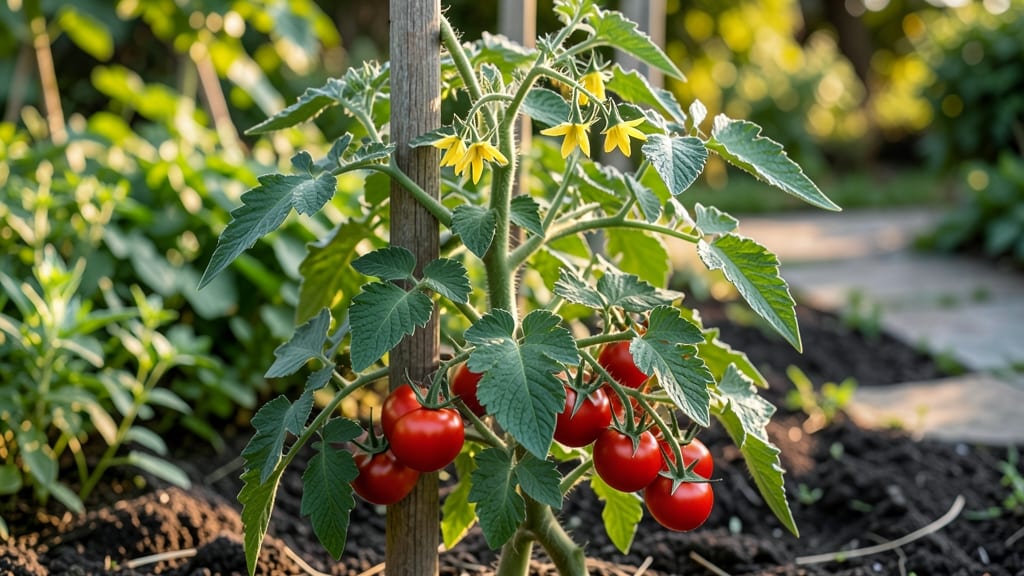
Celebrity tomato leaves curling like old parchment? 🌱 I’ve nursed these plants back from the brink of brown spots and wilted edges—here’s how to diagnose and fix the most common issues before they ruin your harvest.
The first step is identifying the problem: early blight shows up as concentric rings, while yellowing leaves often mean overwatering or nutrient burn. Celebrity tomatoes are tough, but even they need the right balance of water, sunlight, and airflow to stay healthy.
I’ve tested organic sprays, copper fungicides, and even homemade baking soda solutions—some work better than others. With the right approach, you’ll see new growth within 2-3 weeks, and those leaves will go from sad and spotted to vibrant green.
The key is acting fast and keeping your plants happy with consistent care. This works for containers, raised beds, or in-ground gardens—just adjust the watering schedule based on your setup. Let’s get those leaves perky again!
Root Causes Of Leaf Trouble
Celebrity tomatoes are prized for their disease resistance and productivity, but even the toughest varieties can develop unsightly or unhealthy leaves. Understanding the why behind these issues is the first step to restoring your plants to their full glory.
Below, we break down the most common culprits—from environmental stressors to hidden pests—and explain how they wreak havoc on your foliage.
Celebrity tomatoes thrive in warm but not scorching conditions (ideal range: 65–85°F during the day, 50–60°F at night). When temperatures stray too far from this sweet spot, leaves react in dramatic ways:
- Heat Stress (Above 90°F):
- Leaves curl upward or develop brown, crispy edges (a defense mechanism to reduce water loss).
- Photosynthesis slows, leading to yellowing (chlorosis) between veins.
- Actionable fix: Provide afternoon shade with floating row covers or mulch heavily to keep roots cool. Increase watering frequency but avoid wetting leaves (prevents fungal diseases).
- Cold Stress (Below 50°F):
- Leaves turn purplish-black or develop water-soaked spots that later turn brown.
- New growth may stunt or appear mottled.
- Actionable fix: Use row covers or cloches (mini greenhouses) to trap heat. Avoid planting until soil temps reach 60°F+. In containers, move pots to a sheltered spot.
Celebrity tomatoes are drought-tolerant but hate soggy roots. Watering issues are a top cause of leaf distress, often mimicking disease symptoms:
| Symptom | Cause | Solution |
|---|---|---|
| Yellow leaves (bottom-up) | Underwatering or root-bound plants | Water deeply 1–2 inches per week (check soil moisture 2" down). If in pots, upgrade container size or prune roots. |
| Yellow leaves (top-down) + wilting | Overwatering or poor drainage | Let soil dry slightly between waterings. Add perlite or sand to potting mix. Ensure containers have drainage holes. |
| Brown, dry edges | Low humidity + inconsistent watering | Use mulch to retain moisture. Mist leaves early in the day (avoid evening to prevent fungal growth). |
Celebrity tomatoes need a balanced diet, but too little or too much of certain nutrients can turn leaves into a diagnostic map of what’s missing or toxic:
- Nitrogen Deficiency (Pale, Yellow Leaves):
- Older leaves turn yellow but stay green along veins (chlorosis). Growth slows.
- Fix: Apply a balanced fertilizer (10-10-10) or compost. Avoid synthetic nitrogen spikes (use fish emulsion for slow release).
- Magnesium Deficiency (Interveinal Chlorosis):
- Yellow patches between veins (common in alkaline soils). Leaves may crinkle.
- Fix: Spray leaves with Epsom salt solution (1 tbsp/gallon) or amend soil with dolomitic lime.
- Potassium Toxicity (Brown Leaf Tips):
- Leaves develop brown, dead tips or cupping (often confused for disease).
- Fix: Flush soil with water to leach excess salts. Avoid high-potassium fertilizers like banana peels or wood ash.
Tiny invaders can silently drain your tomato’s vitality, causing leaf discoloration, stunting, or holes. Here’s how to spot them:
| Pest | Leaf Symptoms | How to Confirm | Solution |
|---|---|---|---|
| Aphids | Sticky residue ("honeydew"), curled leaves, yellowing | Check undersides of leaves for tiny green/black clusters. | Blast off with water spray. Introduce ladybugs or use neem oil. |
| Spider Mites | Fine webbing, speckled yellow/brown leaves | Look for tiny red/yellow dots moving on leaves. | Increase humidity (mist plants). Spray with soapy water or predatory mites. |
| Whiteflies | Sticky leaves, yellowing undersides | Wave a white sheet under leaves—tiny white moths will fly up. | Use yellow sticky traps or kaolin clay as a barrier. |
Fungal diseases thrive in humid, stagnant conditions and can turn Celebrity tomato leaves into a soupy mess. Here’s how to ID them:
- Early Blight (Alternaria solani):
- Brown, concentric-ring spots on lower leaves (often with yellow halos).
- Fix: Remove infected leaves immediately. Space plants for airflow. Apply copper fungicide preventatively.
- Septoria Leaf Spot:
- Small, tan spots with dark edges (often on upper leaves). Leaves may drop prematurely.
Quick Fixes for Sick Celebrity Tomatoes
Reviving your celebrity tomato leaves starts with identifying the root cause—and acting fast! Below are practical, step-by-step solutions tailored to common issues, from fungal infections to nutrient deficiencies. Each fix includes prevention tips to keep your plants thriving long-term.
Symptoms: Yellow/brown spots, white powdery residue, or blackened leaves.
🔥 Step 1: Remove Infected Leaves Immediately
- How: Snip off only the damaged leaves (not the whole branch) with sterilized scissors (wipe with rubbing alcohol).
- Why? Fungi spread rapidly—delaying removal risks infecting healthy foliage.
- Pro Tip: 💡 Dispose of infected leaves in the trash (not compost) to prevent reinfection.
🍳 Step 2: Apply a Fungicide Spray
- DIY Option: Mix 1 tsp baking soda + 1 quart water + a few drops of dish soap (spray on leaves, avoid fruit).
- Store-Bought: Use copper fungicide or neem oil spray (follow label instructions).
- When? Spray early morning or evening (avoid direct sunlight to prevent leaf burn).
🌡️ Step 3: Improve Airflow & Reduce Moisture
- Fix: Space plants 18–24 inches apart and prune branches to allow circulation.
- Prevention:
- Water at the base (never overhead).
- Avoid planting tomatoes in low-lying areas where water pools.
- Use drip irrigation instead of sprinklers.
Symptoms: Pale yellow leaves (nitrogen), purple stems (phosphorus), or brown leaf edges (potassium).
👨🍳 Step 1: Test Your Soil
- How: Use a soil test kit (available at garden centers) to identify deficiencies.
- Quick Fix: If no time for testing, fertilize with a balanced 10-10-10 (nitrogen-phosphorus-potassium).
🥘 Step 2: Targeted Fertilizer Boosts
| Deficiency | Solution | Prevention |
|---|---|---|
| Yellow Leaves (Nitrogen) | Add compost or fish emulsion | Mulch with aged manure before planting. |
| Purple Stems (Phosphorus) | Use bone meal or rock phosphate | Plant cover crops (like clover) in fall. |
| Brown Edges (Potassium) | Apply wood ash or potassium sulfate | Avoid overwatering (leaches potassium). |
⏰ Step 3: Feed Regularly (But Not Too Much!)
- When? Fertilize every 2–3 weeks during growing season (spring–summer).
- Warning: 🚨 Over-fertilizing burns roots—always water soil before applying.
Symptoms: Sticky residue (aphids), tiny white bugs (whiteflies), or webbing (mites).
🔪 Step 1: Blast Off Pests with Water
- How: Spray forceful water (from a hose) to knock off aphids/whiteflies.
- Best Time: Early morning (pests are sluggish).
🎯 Step 2: Introduce Natural Predators
- Ladybugs (eat aphids) or lacewings (devour mites) can be purchased online or attracted with dill or fennel plants.
- Homemade Spray: Mix 1 tsp castile soap + 1 quart water and spray directly on pests (avoid flowers).
✨ Step 3: Prevent Future Infestations
- Row Covers: Use floating row covers to block pests early.
- Beneficial Plants: Interplant with basil, marigolds, or nasturtiums (repel insects).
- Cleanliness: Remove weeds and debris (pests hide there).
Symptoms: Wilting, mushy stems (overwatering) or crispy, dry leaves (underwatering).
🌧️ Step 1: Check Soil Moisture
- Test: Stick your finger 1–2 inches deep—if dry, water; if soggy, wait 2–3 days.
- Tool Upgrade: Use a moisture meter for accuracy.
🚰 Step 2: Adjust Your Watering Routine
- Overwatering Fix:
- Let soil dry slightly between waterings.
- Ensure pots have drainage holes.
- Underwatering Fix:
- Water deeply 1–2 times per week (not daily shallow drinks).
- Mulch with straw to retain moisture.
🎯 Prevention Tips
- Drip Irrigation: Delivers water slowly at the roots (less waste, no leaf wetting).
- Self-Watering Pots: Great for travelers or busy gardeners.
- Morning Watering: Reduces evaporation and prevents fungal growth.
Final Reminder: 🌟 Celebrity tomatoes are tough but need consistent care—act fast at the first sign of trouble! With these fixes, your plants will bounce back stronger than ever. 🍅✨
Frequently asked questions about Celebrity tomato leaves
Why are my Celebrity tomato leaves curling upward?
Curling leaves usually signal heat stress or underwatering. If temps exceed 90°F, provide afternoon shade with row covers. Check soil 1-2 inches deep—if dry, water deeply at the base. Avoid wetting leaves to prevent fungal issues.
What do those brown spots with yellow halos mean?
Those are classic signs of early blight, a common fungal disease. Remove infected leaves immediately and apply a copper fungicide or baking soda spray (1 tsp baking soda + 1 quart water). Space plants 18-24 inches apart to improve airflow and prevent future outbreaks.
Can I still eat tomatoes if the leaves have spots?
Yes, but only if the spots are on leaves—not the fruit. Fungal diseases like early blight rarely spread to tomatoes themselves. Just harvest fruit promptly and remove all infected foliage. For extra safety, wash tomatoes thoroughly before eating.
Why are my Celebrity tomato leaves turning purple?
Purple stems or leaves often indicate phosphorus deficiency or cold stress (below 50°F). Use bone meal or rock phosphate fertilizer, and protect plants with row covers if nights are chilly. Celebrity tomatoes need consistent warmth to thrive.
How often should I fertilize Celebrity tomatoes?
Feed every 2-3 weeks during the growing season with a balanced 10-10-10 fertilizer. Avoid overdoing it—too much nitrogen causes leafy growth at the expense of fruit. Always water soil before applying fertilizer to prevent root burn.