
Plants
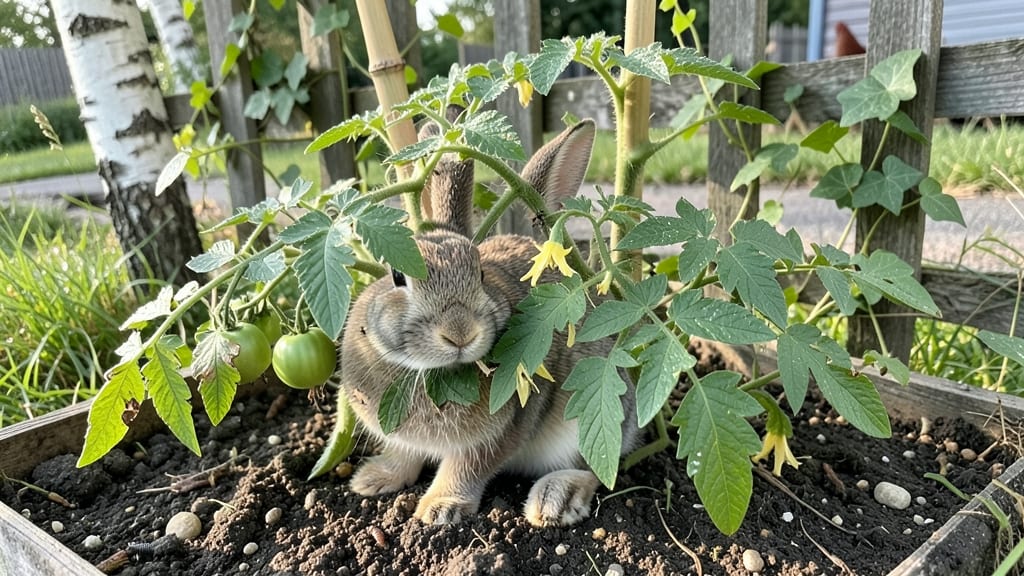
Bunnies do eat tomato plants, targeting leaves, stems, and sometimes fruit, which can stunt growth or destroy crops entirely. Young tomato seedlings are especially vulnerable, and rabbits prefer tender, fresh foliage over woody stems. Protect plants with fencing, repellents, or companion planting to deter them.
Tomato plants are a rabbit's garden buffet because they offer a mix of nutrients and soft textures that rabbits love. 🌱 Young plants are particularly tempting since their stems are delicate and packed with moisture—ideal for a rabbit's diet.
Even mature plants can suffer if left unprotected, as rabbits will nibble on leaves and sometimes chew through fruit. The key to prevention is understanding their feeding patterns, which often peak at dawn and dusk when they're most active.
For gardeners, the damage doesn't just look unsightly—it can reduce yields and weaken plant health. Rabbits typically avoid woody stems but will devour new growth, which can leave your tomatoes stunted or completely defoliated.
The good news? Simple deterrents like chicken wire fencing or companion plants like marigolds can make your garden less appealing to these hungry visitors.
💡 In This Article
- Why Rabbits Target Tomato Plants in Gardens
- Effective Rabbit-Proofing Methods for Tomato Gardens
Why rabbits target tomato plants in gardens
Rabbits are drawn to tomato plants primarily because the foliage provides an ideal mix of water content, protein, and fiber that aligns perfectly with their herbivorous diet. 🌱 Tomato leaves contain about 89% water and 5% protein, making them a hydrating and nutrient-rich snack.
Rabbits' digestive systems are adapted to process fibrous plant material efficiently, and the soft, tender stems of young tomato plants offer minimal resistance when gnawing.
The texture of tomato leaves plays a critical role in their appeal—rabbits prefer plants with a smooth, delicate surface rather than rough or waxy foliage. New growth, in particular, is especially vulnerable because it's less lignified (woody) and packed with higher moisture levels.
This is why gardeners often see the most damage on seedlings and young plants, where rabbits can completely strip leaves within hours. Even mature plants aren't safe, as rabbits will target any tender growth, including flower buds and young fruit.
Seasonal behavior also influences rabbit feeding patterns. 🌿 During spring and early summer, when tomato plants are actively growing, rabbits are more likely to browse gardens because their natural food sources (like clover and grasses) may be less abundant.
Additionally, rabbits are crepuscular—most active at dawn and dusk—which is when they're most likely to raid gardens. This timing explains why gardeners often wake up to find their tomato plants chewed overnight.
Another factor is the lack of natural predators in many garden settings. Rabbits rely on their keen senses to detect threats, and a well-maintained garden with few hiding spots can make them feel exposed.
However, if your garden has dense shrubbery or tall grass nearby, rabbits may feel safer venturing closer to tomato plants. This is where habitat modification—like trimming overgrown areas—can act as a deterrent by reducing their sense of security.
What most gardeners don't realize is that rabbits also use their sense of smell to locate food. Tomato plants emit subtle volatile organic compounds (VOCs) that rabbits can detect from a distance.
While not as pungent as herbs like mint or garlic, these compounds signal the presence of fresh, edible foliage. This is why companion planting with strong-smelling herbs (like rosemary or thyme) can help mask the scent of tomato plants and make your garden less inviting to rabbits.
Finally, the psychological aspect of rabbit behavior matters. Rabbits are habitual creatures—they learn which plants are safe and tasty. If they find your tomato plants easy to access and delicious, they'll return repeatedly.
This habit-forming behavior is why early intervention with deterrents is so important. Once rabbits establish a pattern of feeding on your tomatoes, breaking that cycle becomes significantly more challenging.