
Companion Plants
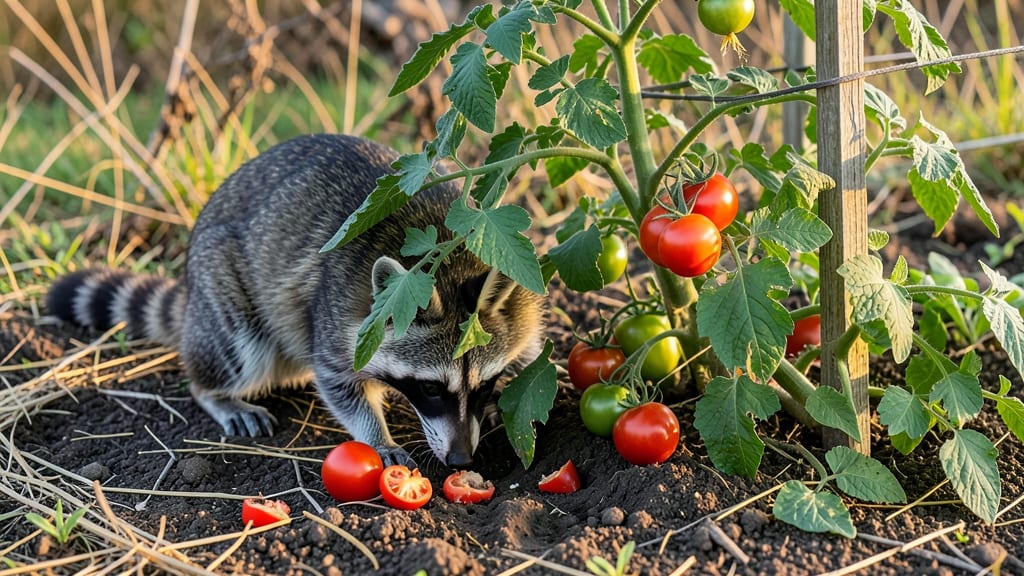
Racoons do eat tomato plants, often targeting ripe fruit, stems, and leaves, leaving behind scattered debris and chewed foliage. Their foraging can devastate gardens overnight, especially in late summer and fall when tomatoes are abundant.
Raccoons are drawn to tomato plants because of their sweet, ripe fruit and tender foliage—perfect for their omnivorous diet. 🦝 These clever critters are most active at night, making them particularly destructive when gardeners aren't watching.
I've seen them completely strip a vine in under an hour, leaving behind a mess of broken stems and scattered fruit. Their intelligence means they'll quickly learn where food is easiest to find, so prevention is key once they discover your garden.
What makes this worse is their habit of caching uneaten tomatoes for later, which can lead to rot and attract pests. If you notice chewed leaves or missing fruit, it's a clear sign these masked bandits have been visiting.
The good news? With the right strategies—like fencing, repellents, or early harvesting—you can protect your plants and keep your tomatoes safe for harvest.
💡 In This Article
- Why Racoons Target Tomato Plants in Gardens
- Effective Raccoon-Proofing Strategies for Tomato Gardens
Why racoons target tomato plants in gardens
Raccoons are opportunistic omnivores with a taste for sweet, soft foods—making tomato plants a prime target. 🦝 Their diet naturally includes fruits, vegetables, and insects, but the high sugar content in ripe tomatoes (especially varieties like 'Sweet 100' or 'Cherry') acts like a magnet.
Studies show raccoons can detect ripe fruit through both scent and touch, using their dexterous front paws to test plants for readiness. The combination of sugar, moisture, and easy accessibility makes tomatoes irresistible during late summer and fall when garden produce is most abundant.
The nocturnal nature of raccoons amplifies the problem. These creatures are most active between dusk and dawn, when gardeners are indoors and defenses are down.
A single raccoon can strip a vine of 50-70% of its fruit in under an hour, leaving behind jagged bite marks on stems and scattered debris. Their intelligence means they'll return night after night if they find success, often learning to overcome simple deterrents like flimsy netting or weak fencing.
The scent of fermenting fallen fruit also attracts others, turning a single visit into a full-blown infestation.
What makes tomatoes particularly vulnerable is their growth pattern.
Vines sprawl near the ground where raccoons can easily reach, and the weight of ripe fruit makes branches sag—perfect for a raccoon to pull down and feast. 🍅 Unlike hard-shelled fruits (like apples), tomatoes offer immediate, easy access to pulp and seeds.
Even unripe tomatoes contain enough moisture and sugars to be appealing, though raccoons prefer fully ripe ones. This preference explains why gardeners often find half-eaten, discarded fruit beneath their plants rather than completely consumed harvests.
Seasonal patterns play a huge role too. Raccoons time their foraging to align with peak tomato ripening, typically August through October in most climates. During this period, their natural fat stores are building for winter, so they consume up to 30% more food than in other seasons.
The warm nights of late summer also mean they're more active, increasing the frequency of garden raids. This explains why damage spikes suddenly when tomatoes first begin to ripen—it's not just coincidence, but a calculated foraging strategy.
Another factor is raccoons' habit of caching food. They'll often carry off multiple tomatoes to hide in nearby brush or under debris, only to return later. This behavior not only wastes your harvest but can spread diseases like blight if infected fruit is left to rot.
The scattered debris they leave behind isn't just from eating—it's also from their digging and rummaging as they search for more food, further damaging plant roots and soil structure. 🌱
Understanding these behaviors is key to protection. Raccoons aren't just random pests—they're strategic foragers with specific triggers. By recognizing what makes your tomato plants appealing (sweetness, accessibility, seasonal abundance), you can implement targeted deterrents that address their motivations rather than just trying to scare them away.