
How To
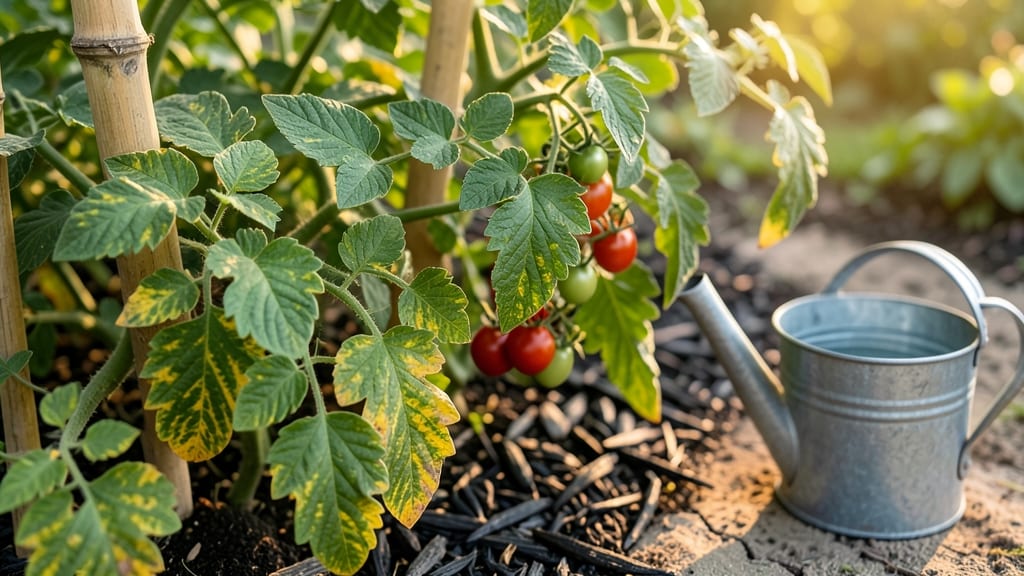
Cherry tomato leaves turning yellow?
That first panic when you spot it is real—my plants looked like they’d been hit by a summer storm, but it was just a nutrient shout for help. 🌱 The good news is this fix works even for beginners, and you’ll spot the difference within days if you act fast.
Most gardeners blame watering first, but the real culprit is often what’s missing from the soil, not what’s extra.
Yellowing starts at the leaves’ edges or between veins, and the pattern tells the story: nitrogen deficiency shows as pale yellow, while potassium loss turns leaves yellow with brown edges. Magnesium deficiency? Yellow patches between veins that look like a spiderweb.
I’ve seen all three, and the fix isn’t complicated—just targeted. A simple soil test (or even a DIY at-home kit) reveals exactly what your plants are screaming for.
Here’s the game-changer: 3 steps that stop the yellow and restore those glossy green leaves in under a week. You’ll mix a nutrient boost into the soil, adjust your watering routine, and prevent future stress with mulch.
No fancy tools needed—just what’s already in your garden shed. By the time your next harvest rolls around, you’ll forget this ever happened.
Works for container tomatoes too, and the same logic applies to other veggies like peppers or eggplants. The key is acting before the yellow spreads to the stems—once it does, the plant’s fighting a losing battle. Let’s turn those sad leaves back into the powerhouses they should be.
Why it happens
When your cherry tomato plants start showing yellow leaves, it’s often a distress signal from the plant itself. Understanding the underlying causes helps you address the issue before it spreads.
Below, we break down the most common reasons—with clear explanations and actionable insights to help you diagnose and fix the problem.
🌱 Overwatering or Poor Drainage
Yellowing leaves are a classic sign of waterlogged roots. Cherry tomatoes thrive in well-draining soil, but when roots sit in soggy conditions, they struggle to absorb oxygen and nutrients. This leads to chlorosis (yellowing) as the plant prioritizes survival over leaf health.
- Why it happens: Excess moisture suffocates roots, disrupting nutrient uptake. Poor drainage or overzealous watering (especially in containers) traps water, creating anaerobic conditions.
- Actionable fix:
- Check soil moisture by sticking your finger 1–2 inches deep—water only when the top layer feels dry.
- Amend heavy clay soil with compost or perlite to improve aeration.
- Ensure pots have drainage holes and elevate them to prevent water pooling.
☀️ Nutrient Deficiencies (Nitrogen, Magnesium, or Iron)
Yellowing leaves often stem from nutrient imbalances, particularly in fast-growing cherry tomatoes. Each nutrient triggers distinct symptoms:
| Nutrient | Symptoms | Quick Fix |
|---|---|---|
| Nitrogen (N) | Older leaves turn yellow first (yellowing spreads upward). | Apply a balanced fertilizer (10-10-10) or compost tea. |
| Magnesium (Mg) | Interveinal yellowing (between veins) on older leaves. | Use Epsom salt (1 tbsp/gallon of water) as a foliar spray or soil drench. |
| Iron (Fe) | Young leaves yellow uniformly (chlorosis) in alkaline soil. | Add chelated iron or lower soil pH with sulfur or peat moss. |
Pro tip: 💡 Conduct a DIY soil test to confirm deficiencies before treating.
🦠 Fungal or Bacterial Infections
Pathogens like Alternaria, Septoria leaf spot, or bacterial wilt can cause yellowing, often accompanied by spots, wilting, or oily lesions. These thrive in humid, wet conditions.
- Why it happens: Poor air circulation, overhead watering, or contaminated soil spread spores.
- Actionable fix:
- Remove infected leaves immediately and dispose of them (don’t compost).
- Apply copper fungicide or neem oil as a preventive spray.
- Space plants for better airflow and water at the base.
🌡️ Extreme Heat or Cold Stress
Cherry tomatoes are sensitive to temperature swings. Heat stress (above 90°F/32°C) causes yellowing and leaf scorch, while cold stress (below 50°F/10°C) slows nutrient absorption.
- Why it happens: High temps accelerate transpiration (water loss), while cold temps disrupt cellular processes.
- Actionable fix:
- Provide shade cloth (30–50%) during heatwaves.
- Use mulch to regulate soil temperature.
- Move potted plants to a shadier spot if possible.
🐛 Pest Damage (Aphids, Spider Mites, or Whiteflies)
Sap-sucking pests weaken plants, causing yellowing leaves, stunted growth, or sticky residue ("honeydew"). Look for tiny webs, speckled leaves, or curled foliage.
- Why it happens: Pests inject toxins and remove nutrients, leading to chlorosis.
- Actionable fix:
- Blast pests off with a strong water spray or use insecticidal soap.
- Introduce beneficial predators like ladybugs or lacewings.
- Apply kaolin clay as a protective barrier.
Quick Fixes for Yellowing Tomato Leaves
If your cherry tomato plants are showing signs of distress with yellowing leaves, don’t panic—there’s a solution for every cause! Below, we’ve mapped out practical fixes based on the most common culprits, along with prevention tips to keep your plants thriving.
Let’s get those leaves back to their vibrant green in no time.
Fix: Adjust your watering habits and improve soil aeration.
- 👨🍳 Reduce Watering Frequency: Water deeply but less often—aim for 1–1.5 inches per week, including rainfall.
Let the top 1–2 inches of soil dry out before watering again. - 🥘 Check Your Soil: If your pots or garden beds lack drainage, add perlite, sand, or compost to improve airflow.
For container plants, ensure pots have drainage holes. - ⏰ Water in the Morning: Avoid evening watering to prevent fungal growth, which can worsen yellowing.
💡 Prevention Tip: Use a moisture meter to monitor soil dampness and avoid soggy roots.
Fix: Feed your plants the right nutrients and monitor soil health.
| Deficiency | Symptoms | Solution |
|---|---|---|
| Nitrogen | Yellowing lower leaves (older) | Apply balanced fertilizer (10-10-10) or compost tea every 2–3 weeks. |
| Potassium | Yellowing edges of leaves (brown spots) | Use banana peel tea or a potassium-rich fertilizer (like wood ash). |
| Magnesium | Yellow veins with green patches | Sprinkle Epsom salt (1 tbsp per gallon of water) every 4 weeks. |
💡 Prevention Tip: Conduct a soil test every 2–3 years to check nutrient levels and adjust accordingly.
Fix: Treat infections early with organic or chemical solutions.
- 🔪 Prune Infected Leaves: Remove yellow or spotted leaves immediately to stop the spread.
Sterilize pruners with rubbing alcohol. - 🌿 Apply Fungicide: Use neem oil (1 tsp per quart of water) or copper fungicide as a preventive spray every 7–10 days. - 🌡️ Improve Air Circulation: Space plants 12–18 inches apart and avoid overcrowding.
💡 Prevention Tip: Rotate crops annually to prevent soil-borne diseases from recurring.
Fix: Shield plants from extreme heat and provide shade.
- 🌿 Use Shade Cloth: If temperatures exceed 90°F (32°C), drape 30–50% shade cloth over plants for a few hours daily.
- 💦 Mulch the Soil: Apply 2–3 inches of mulch (straw or wood chips) to retain moisture and cool roots.
- 🌱 Adjust Watering: Water early in the morning to reduce evaporation and stress.
💡 Prevention Tip: Plant heat-tolerant varieties like ‘Solar Fire’ or ‘Heatmaster’ cherry tomatoes for future seasons.
To keep yellowing at bay, follow this quick maintenance routine: ✅ Water consistently (deep but infrequent). ✅ Fertilize every 3–4 weeks with a balanced formula. ✅ Inspect leaves weekly for pests or disease. ✅ Rotate plants every few years to prevent soil depletion.
With these fixes, your cherry tomato plants should bounce back in 1–2 weeks. Keep an eye on progress, and don’t hesitate to adjust care as needed! 🌱✨
Frequently asked questions about cherry tomato leaf yellowing
Why do only the older leaves turn yellow first?
Older leaves yellow first because your plant prioritizes nutrient delivery to new growth. This is a classic sign of nitrogen deficiency—the plant recycles nutrients from aging leaves to support fruit production. Try a balanced fertilizer (10-10-10) or compost tea to restore nitrogen levels.
Can yellow leaves spread to the stems?
Yes, if ignored, yellowing can progress to stems—especially with fungal diseases like Alternaria or bacterial wilt. Remove infected leaves immediately and apply copper fungicide or neem oil to prevent stem rot. Once stems yellow, the plant may decline rapidly.
Is Epsom salt safe for cherry tomatoes?
Epsom salt (magnesium sulfate) is a safe and effective fix for yellowing between leaf veins. Mix 1 tablespoon per gallon of water and spray foliage every 4 weeks. It won’t harm plants—just avoid overuse, which can cause magnesium buildup in soil.
How do I tell if yellowing is from pests vs. disease?
Pests (aphids, spider mites) cause speckled, curled leaves with sticky residue ("honeydew"), while diseases show spots, wilting, or oily lesions. Check undersides of leaves for tiny webs or bugs. Treat pests with insecticidal soap; diseases need fungicide and better airflow.
Will pruning yellow leaves help my plant?
Yes, but only if the yellowing is localized! Prune only the affected leaves to redirect energy to healthy growth. Avoid over-pruning—remove no more than 20% of foliage at once. Sterilize shears with rubbing alcohol to prevent spreading infections.