
How To
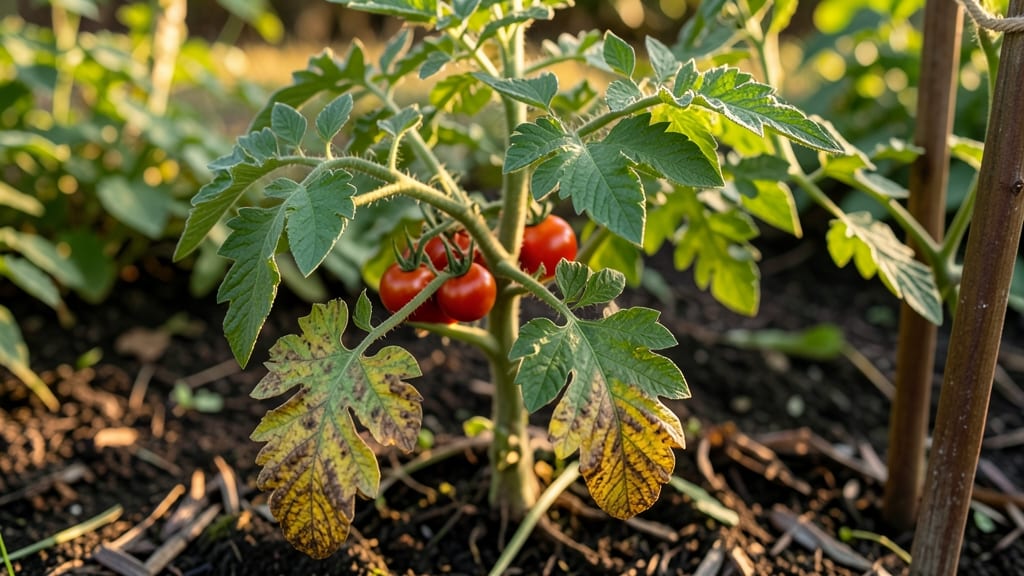
Your tomato plants are screaming for help when those bottom leaves turn yellow—this is your simple fix. 🌱 I’ve seen this happen with every type of tomato, from cherry to heirloom, and the good news is you can turn it around fast with just a few targeted steps.
The real culprit is usually one of three things: overwatering (root rot loves damp soil), nutrient starvation (especially nitrogen or magnesium), or early blight (those ugly brown spots on older leaves). The key is checking the pattern—yellowing with brown edges? Likely overwatering.
Yellowing with green veins? Nutrient deficiency. Spots? Fungal trouble. By the end of this, you’ll have pruned the damaged leaves, adjusted your watering, and fed your plants the right way.
Within 2 weeks, you’ll see fresh green growth pushing up from the base, and those tomatoes will be back on track for a bigger, healthier harvest. This works for container plants, raised beds, and in-ground gardens—no fancy tools needed. Let’s get those plants thriving again!
Root Causes Behind Yellowing Leaves
When your tomato plant’s bottom leaves start turning yellow, it’s usually a cry for help—often linked to underlying issues that disrupt its health. Understanding the why behind the discoloration is the first step to saving your harvest.
Below, we break down the most common culprits, backed by science, so you can diagnose and act fast.
Tomatoes thrive in well-drained soil, but excess moisture—especially at the roots—triggers yellowing leaves due to oxygen deprivation. When roots sit in soggy soil, they struggle to absorb nutrients and water efficiently, leading to:
- Root rot: Fungal pathogens like Phytophthora or Pythium feast on waterlogged roots, cutting off nutrient flow.
- Nutrient leaching: Overwatering flushes essential minerals (like nitrogen) out of the soil before roots can absorb them.
- Chlorosis: The plant can’t produce enough chlorophyll (the pigment that gives leaves their green hue), causing yellowing, especially in older leaves.
Actionable clue: Check the soil 1–2 inches down—if it’s damp, hold off on watering. Ensure pots have drainage holes, and raised beds avoid compacted clay.
Yellowing bottom leaves are a classic sign of nitrogen (N) deficiency, the plant’s primary building block for chlorophyll and leaf growth. While nitrogen is mobile in plants, severe shortages first affect older leaves (like those at the bottom) because the plant shuttles remaining nitrogen to new growth.
Other red flags for nitrogen issues:
- Pale yellow leaves (not greenish-yellow)
- Stunted stem growth
- Slow recovery even after watering
Why it happens: Nitrogen is highly soluble and washes out quickly in sandy or overly watered soils. Organic matter (like compost) breaks down over time, depleting available N. Synthetic fertilizers can also cause imbalances if overused.
Tomatoes are tropical plants—when exposed to extreme temperatures (either scorching heat or sudden cold snaps), they abscise (drop) or yellow leaves as a survival tactic. Here’s how:
- Heat stress: Temperatures above 90°F (32°C) disrupt photosynthesis. Leaves lose moisture faster than roots can replace it, causing wilting and yellowing from the bottom up.
- Cold damage: Below 50°F (10°C), cell membranes rupture, and roots stop absorbing water/nutrients. Frost burns leaves, turning them yellow or brown.
- Sunburn: Sudden exposure to intense sunlight (e.g., moving plants from shade to full sun) scalds leaves, causing yellow patches.
Actionable clue: If yellowing follows a heatwave or cold snap, monitor soil moisture—plants under stress can’t regulate water uptake efficiently.
Hidden invaders like aphids, spider mites, or fungal pathogens (e.g., early blight) sap nutrients from leaves, causing yellowing as a secondary symptom. Here’s the breakdown:
| Culprit | How It Causes Yellowing | Tell-Tale Signs |
|---|---|---|
| Root-knot nematodes | Parasitic worms damage roots, reducing water/nutrient uptake. The plant prioritizes fruit over leaves, leading to yellowing. | Gnarled roots, stunted growth, wilting despite watering |
| Early blight (Alternaria solani) | Fungal spores block leaf stomata, trapping moisture and causing oxidative stress, which turns leaves yellow/brown with concentric rings. | Dark spots with yellow halos on lower leaves |
| Viral infections (e.g., tomato mosaic virus) | Viruses disrupt chlorophyll production, leading to mosaic yellowing (irregular patches) and stunted growth. | Yellow/green mottling, curled leaves, reduced fruit yield |
Actionable clue: Inspect the undersides of leaves and soil for pests. If you spot webbing (mites) or dark spots (fungus), treat with neem oil or copper fungicide before symptoms spread.
Pro tip: 🔍 Rule out one cause at a time. Start with soil moisture, then check for pests, and finally test soil pH/nutrients. A simple DIY soil test kit (or send a sample to your local extension office) can confirm deficiencies like nitrogen or phosphorus.
Quick fixes for yellowing tomato leaves
Watching your tomato plant’s bottom leaves turn yellow can be frustrating, but the good news is that most issues are fixable with targeted care. Below, we’ll break down the most common causes and provide practical, step-by-step solutions to restore your plant’s health—plus tips to keep it thriving long-term.
Let’s get those leaves back to vibrant green! 🌱🍅
If your soil is soggy or waterlogged, roots suffocate from lack of oxygen, leading to yellowing leaves. Here’s how to revive your plant:
💦 Step 1: Check the Soil Moisture
- Stick your finger 1–2 inches deep into the soil. If it feels damp or muddy, your plant is overwatered.
- Pro tip: Use a moisture meter for accuracy—aim for soil that’s damp but not saturated.
🌱 Step 2: Improve Drainage
- Repot immediately if your container lacks drainage holes. Choose a pot with holes and add a layer of gravel or perlite at the bottom.
- For in-ground plants, consider raising beds or amending soil with compost and sand to boost aeration.
💧 Step 3: Adjust Watering Habits
- Water only when the top 1–2 inches of soil are dry (usually every 2–3 days, depending on climate).
- Water deeply but less frequently—this encourages roots to grow deeper and reduces rot risk.
- Prevention tip: Use a self-watering system or drip irrigation to avoid overzealous watering. 🎯
Yellowing leaves can signal a lack of essential nutrients. Tomato plants crave nitrogen, potassium, and magnesium most—here’s how to fix it:
📊 Step 1: Identify the Deficiency
| Symptom | Likely Nutrient Deficiency | Quick Fix |
|---|---|---|
| Pale yellow leaves (older) | Nitrogen deficiency | Apply balanced fertilizer (10-10-10) or compost tea. |
| Yellow edges (burnt look) | Potassium deficiency | Use potassium-rich fertilizer (like banana peel tea or 5-10-10). |
| Yellow between veins | Magnesium deficiency | Sprinkle Epsom salt (1 tbsp/gallon of water) every 2 weeks. |
👨🍳 Step 2: Fertilize Correctly
- For nitrogen: Mix 1 tbsp of blood meal or fish emulsion into the soil around the base (but not touching leaves).
- For potassium/magnesium: Apply a slow-release granular fertilizer (like 5-10-10) or foliar spray with diluted liquid fertilizer.
- Pro tip: Test your soil with a DIY kit (available at garden centers) to confirm deficiencies before fertilizing. 💡
🥗 Step 3: Boost Soil Health
- Add compost (1–2 inches) around the base of the plant to replenish organic matter.
- Mulch with straw or grass clippings to retain moisture and nutrients.
- Prevention tip: Rotate crops yearly to avoid nutrient depletion in the same soil. ✨
Intense heat or scorching sun can cause yellowing, especially on lower leaves. Here’s how to protect your tomatoes:
☀️ Step 1: Provide Shade
- Install shade cloth (30–50%) if temperatures exceed 90°F (32°C).
- Use row covers or lightweight fabric to filter direct sunlight during peak hours (10 AM–4 PM).
🌿 Step 2: Optimize Watering
- Water early in the morning to reduce evaporation and leaf burn.
- Mist leaves lightly on extremely hot days to cool them down (avoid wetting foliage at night to prevent disease).
🎯 Step 3: Adjust Plant Placement
- Move potted tomatoes to a slightly shadier spot (e.g., under a patio cover).
- For in-ground plants, prune lower leaves to improve airflow and reduce heat exposure.
- Prevention tip: Plant tomatoes in late spring (after the last frost) to avoid early-season heat stress. 🌡️
Pests like aphids or fungal diseases (e.g., early blight) can cause yellowing. Act quickly to save your plant:
🐜 Step 1: Inspect for Pests
- Check the undersides of leaves for aphids, spider mites, or whiteflies.
- Look for dark spots or powdery mildew on leaves—signs of fungal issues.
🧼 Step 2: Treat Infestations
- For pests:
- Spray with neem oil (1 tsp per quart of water) or insecticidal soap.
- Introduce beneficial insects like ladybugs or lacewings.
- For fungal diseases:
- Remove infected leaves immediately and dispose of them in the trash (not compost).
- Apply copper fungicide or a baking soda spray (1 tbsp baking soda + 1 quart water + a drop of dish soap).
⏰ Step 3: Prevent Future Outbreaks
- Rotate crops annually to break disease cycles.
- Space plants 18–24 inches apart for better airflow.
- Pro tip: Water at the base of the plant (not overhead) to keep leaves dry and discourage fungi. 🛡️
With these targeted fixes, your tomato plant should bounce back in 1–2 weeks. Monitor progress and adjust care as needed—your garden will thank you with a bountiful harvest! 🍅🌟
Frequently asked questions
Why do only the bottom tomato leaves turn yellow first?
Tomatoes prioritize nutrients for new growth, so older bottom leaves show deficiencies first. When roots struggle (from overwatering, poor drainage, or nutrient shortages), the plant "sacrifices" these leaves to protect fruit production. Think of it like your body sending nutrients to vital organs when you're sick!
Is yellowing on tomato leaves always a bad sign?
Not always! Mild yellowing can be normal as leaves age, but watch for these red flags: Brown spots (fungus), crispy edges (overwatering), or yellow between veins (magnesium deficiency). If leaves stay yellow for weeks or drop easily, it's time to investigate deeper issues.
Can I save my tomato plant if the bottom leaves are completely yellow?
Prune off the yellow leaves (they're not helping) and focus on fixing the root cause. For nutrient issues, feed with compost tea. For overwatering, improve drainage immediately. With proper care, new healthy leaves will sprout from the stem within 1-2 weeks.
What's the difference between yellow leaves from overwatering vs. nutrient deficiency?
Overwatered leaves often have yellow edges with brown spots (from poor oxygen), while nutrient deficiencies show even yellowing (nitrogen) or yellow between veins (magnesium). Check soil moisture first—if it's damp, drainage's the issue; if dry, it's likely nutrients.
Will Epsom salt help if my tomato leaves are turning yellow?
Only if the yellowing is between veins (magnesium deficiency)! Mix 1 tablespoon Epsom salt per gallon of water and spray leaves every 2 weeks. For other issues, Epsom salt won't help—test soil first to confirm magnesium needs. Too much can actually harm your plants!