
Plants
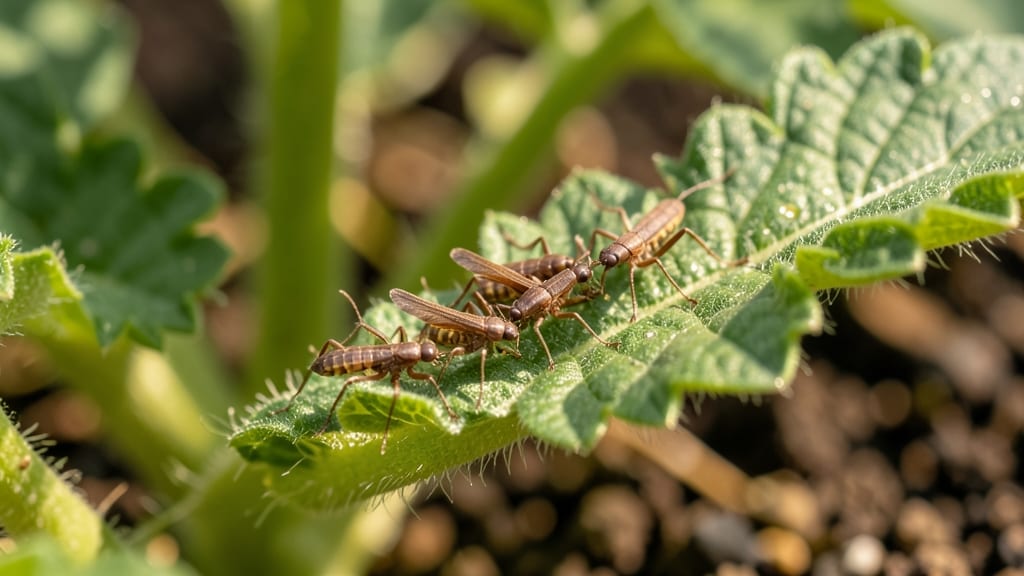
Those tiny brown bugs on your tomato plants are likely thrips or flea beetles—and they’re worse than they look. 🌱 I’ve battled them in my garden, and the key to saving your harvest is acting fast before they skeletonize leaves or spread disease.
These pests multiply quickly, but with the right approach, you can knock them back in just a few days.
The damage starts small: tiny holes in leaves or silvery streaks where thrips feed. Flea beetles leave behind a lace-like pattern, while thrips often cluster on flowers, stunting growth. The good news?
Most home gardeners can handle this without harsh chemicals if they catch it early. I’ve used simple traps, homemade sprays, and even beneficial insects to regain control.
By the end of this guide, you’ll know exactly what you’re dealing with and how to eliminate them—whether it’s a DIY neem oil spray, yellow sticky traps, or row covers to block them entirely.
The goal is to protect your plants while keeping your tomatoes thriving, not just surviving.
No matter which method you choose, consistency is key. Check your plants twice a week after treatment, and you’ll see improvement within 7-10 days. If the infestation spreads despite your efforts, it’s time to call in reinforcements—or a pro.
Let’s get those bugs under control before they ruin your harvest.
Root Causes of Tiny Brown Invaders
Those pesky tiny brown bugs on your tomato plants aren’t just a random annoyance—they’re drawn to your garden for very specific reasons. Understanding why they show up is the first step to stopping them in their tracks.
Below, we break down the science behind their behavior and what makes your tomato plants such an all-you-can-eat buffet for them.
Tomato plants are tough, but when they’re stressed, they become prime targets for pests. Here’s how it happens:
- Nutrient Deficiencies: If your soil lacks essential nutrients like nitrogen, phosphorus, or potassium, your plants struggle to grow strong leaves and stems. Weak foliage is easier for bugs to penetrate, and the plant’s natural defenses (like sticky resins or bitter compounds) weaken. Pro tip: Test your soil pH (aim for 6.0–6.8) and amend with compost or balanced fertilizer to boost resilience.
- Overwatering or Drought Stress: Both extremes disrupt a plant’s ability to fend off pests. Overwatered soil suffocates roots, while drought causes wilting and stunted growth. Bugs like thrips or aphids (common tiny brown culprits) thrive in stressed plants because they’re easier to feed on. Pro tip: Water deeply at the base (1–1.5 inches per week) and avoid wetting leaves to prevent fungal issues that further weaken the plant.
- Physical Damage: Broken stems, chewed leaves, or even pruning wounds create entry points for pests. Some bugs, like stink bugs, lay eggs in damaged tissue, ensuring their larvae have a head start on your tomatoes. Pro tip: Use clean, sharp pruners and seal larger wounds with horticultural sealant.
Tomato plants are like a neon “Eat Me” sign for tiny brown bugs. Here’s what makes them so irresistible:
| Plant Feature | Why Bugs Love It | Actionable Fix |
|---|---|---|
| Sap-Rich Leaves | Aphids and whiteflies adore the sweet sap in tomato leaves. It’s like fast food for them! | Spray leaves with a soapy water solution (1 tsp mild soap per quart of water) to disrupt their feeding. |
| Flowers and Fruit | Bugs like fruit flies and hornworms are drawn to the sugars in blossoms and ripening tomatoes. | Cover flowers with fine netting during pollination to block egg-laying pests. |
| Warm, Humid Microclimates | Tomato plants create cozy hiding spots under dense foliage—perfect for fungus gnats and spider mites. | Prune for airflow and avoid overcrowding plants. Use a fan on sunny days to dry leaves. |
Some tiny brown bugs are just following their biological instincts. Here’s how their life stages align with tomato plant vulnerabilities:
- Egg-Laying Hotspots: Many pests (e.g., stink bugs, leafminers) lay eggs on the undersides of leaves or in leaf axils. If you ignore early signs, their larvae will hatch and devour your plants. Pro tip: Inspect leaves daily during peak pest seasons (spring/summer) and remove eggs manually with a damp cloth.
- Seasonal Surges: Bugs like thrips thrive in warm weather and multiply rapidly. A single generation can turn into hundreds in weeks if unchecked. Pro tip: Monitor plants weekly and act fast—neem oil or insecticidal soap works best on young larvae.
- Hitchhiking Habits: Some bugs (e.g., whiteflies) arrive on wind currents or via contaminated tools, soil, or even nearby weeds. Pro tip: Quarantine new plants for 2 weeks and remove weeds within 5 feet of your tomato patch.
By addressing these root causes—stress, attractiveness, and biology—you’ll disrupt the cycle that keeps tiny brown bugs feasting on your tomatoes. Next up: How to ID the specific culprits so you can target them like a pro.
Quick Fixes for Tiny Tomato Plant Invaders
Now that you’ve identified the culprits—whether they’re aphids, flea beetles, or thrips—it’s time to kick them off your tomato plants for good. Below are targeted solutions based on the most likely pests, along with prevention tips to keep your garden healthy long-term.
These methods are easy to implement, non-toxic (where possible), and effective for small-scale gardens.
How to Treat:
- Blast Them Away (💦)
- Fill a spray bottle with soapy water (1 tsp mild dish soap + 1 quart water) and give the undersides of leaves a good dousing. The soap disrupts their waxy coating, dehydrating them. Reapply every 3–4 days until gone.
- Pro Tip: 💡 Use a strong stream of water from a hose to physically knock them off plants—aphids hate this!
- Introduce Predators (🐞)
- Ladybugs, lacewings, and parasitic wasps love aphids. Buy or attract them by planting dill, fennel, or marigolds nearby. These beneficial bugs will do the work for you!
- Neem Oil Spray (🌿)
- Mix 1 tbsp neem oil + 1 tsp soap + 1 quart water, spray on leaves (avoid flowers to protect pollinators), and repeat every 7–10 days. Neem disrupts their life cycle.
Prevention:
- Inspect new plants before bringing them home (aphids hitchhike easily).
- Encourage airflow by pruning crowded foliage—aphids thrive in sticky, humid spots.
- Plant resistant varieties like ‘Solar Fire’ or ‘Mountain Merit’ tomatoes.
How to Treat:
- Cover Young Plants (🛡️)
- Use floating row covers (lightweight fabric) over seedlings to block beetles. Remove when flowers appear to allow pollination.
- Diatomaceous Earth (⚡)
- Sprinkle food-grade DE around the base of plants and on leaf surfaces. It’s a natural abrasive that kills beetles by dehydrating them. Reapply after rain.
- Sticky Traps (🎣)
- Place yellow sticky traps near plants to catch adult beetles before they lay eggs. Check traps daily and replace as needed.
- Spray with Neem or Kaolin Clay (🌱)
- Mix kaolin clay (Surround WP) with water and spray on leaves to create a barrier. Flea beetles avoid the gritty texture. Reapply every 7–14 days.
Prevention:
- Plant trap crops like radishes or mustard greens to distract beetles.
- Rotate crops yearly to disrupt their life cycle.
- Water deeply to stress plants less—healthy tomatoes are less appealing.
How to Treat:
- Blue Sticky Traps (🎨)
- Thrips are attracted to blue or yellow traps. Hang them near plants to monitor and reduce populations.
- Spinosad Spray (💊)
- Use organic spinosad (derived from soil bacteria) to target thrips. Follow label instructions—it’s safe for humans but deadly to insects.
- Reflective Mulch (🔄)
- Cover soil with aluminum foil or reflective mulch to confuse thrips. They’re disoriented by the glare and may leave.
- Remove Infested Leaves (🗑️)
- Prune and destroy heavily damaged leaves (don’t compost them!). Thrips hide in curled or discolored foliage.
Prevention:
- Keep weeds down—thrips love them as hosts.
- Use row covers early in the season to block adults.
- Avoid over-fertilizing with nitrogen—soft, lush plants attract more thrips.
- Rotate your defense strategies to prevent pests from building resistance.
- Handpick visible bugs (especially aphids) and drop them in soapy water.
- Encourage biodiversity—healthy soil and companion plants (like basil or garlic) make your garden less inviting to pests.
Final Reminder: 🌿 Act fast! The sooner you treat an infestation, the easier it is to control. With these methods, your tomato plants will be pest-free, thriving, and ready for harvest in no time!
Frequently asked questions
What do tiny brown bugs on tomato plants usually look like up close?
Most common culprits are flea beetles (1/16" long, jump when disturbed) or thrips (tiny, slender, with fringed wings). Flea beetles leave tiny holes, while thrips cause silvery streaks on leaves. Use a magnifying glass to check for wing patterns or egg clusters on undersides.
Are these bugs harmful to my tomato harvest?
Yes—if left unchecked, they can skeletonize leaves, stunt growth, and spread disease. Flea beetles chew holes that reduce photosynthesis, while thrips damage flowers, leading to poor fruit set. Severe cases may require 2-3 weeks of treatment to recover.
Will homemade remedies like garlic spray actually work?
Garlic spray can help as a deterrent, but it’s not as effective as neem oil or insecticidal soap. For best results, blend 1 chopped garlic bulb + 1 tsp cayenne + 1 quart water, strain, and spray leaves. Reapply every 5-7 days—it repels but doesn’t kill established pests.
How do I know if my tomato plants are recovering from an infestation?
Look for new leaf growth, fewer holes, and healthy green color returning. Within 7-10 days of consistent treatment, you should see reduced pest activity. If damage persists, check soil health or try a stronger organic spray like spinosad.
Can I still eat tomatoes from plants with tiny brown bugs?
Yes, but only if you’ve washed thoroughly and the bugs weren’t on the fruit. Flea beetles rarely bite tomatoes, but thrips may contaminate surfaces. For peace of mind, harvest only fully ripe, undamaged tomatoes and peel if concerned.