
Plants
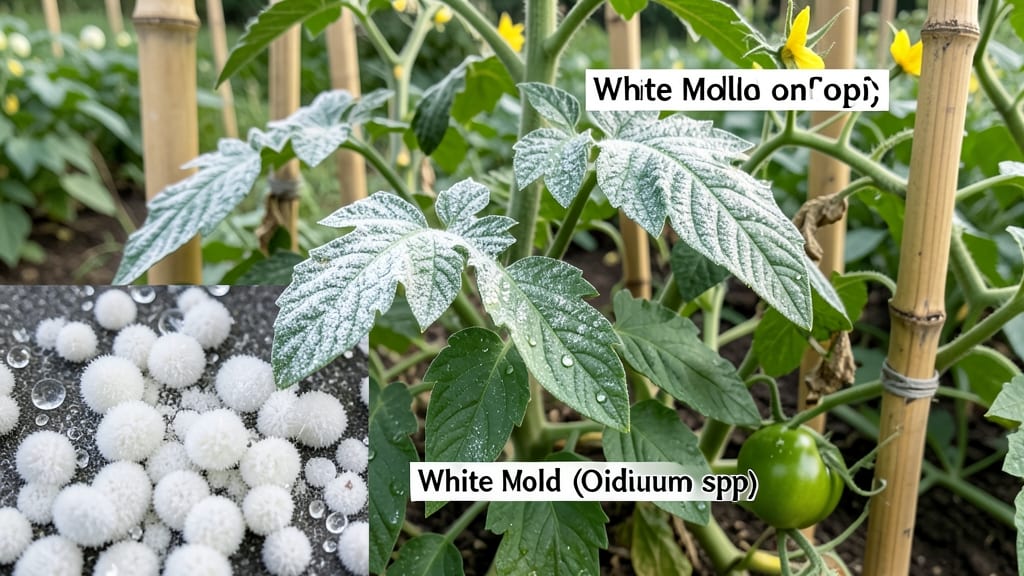
Your tomato plants are wilting under a white mold blanket—this fungal blight spreads faster than you can say "harvest failure." 🌱 I’ve battled Sclerotinia sclerotiorum in my own garden, and copper spray isn’t just a last resort—it’s the game-changer that saved my plants when everything else failed.
The problem starts with humidity and crowded plants, where spores hitchhike on air currents and organic debris. You’ll spot fuzzy white growth on stems first, then sudden wilting—even if roots look fine.
The real kicker? This mold thrives in cool, damp weather, turning your prized tomatoes into a fungal buffet overnight.
Copper spray works by disrupting the fungus’s cell walls, and when applied at the first sign of white fuzz, it stops the spread in its tracks. Combine it with pruning infected stems and improving airflow, and you’ll see new growth within 10-14 days.
The key is acting fast—once the mold reaches the soil, it’s already too late for that plant.
This isn’t just about saving individual plants—it’s about breaking the mold’s cycle for next season. Rotate crops, space plants for airflow, and clean up debris religiously. Trust me, your future tomatoes will thank you.
The Hidden Triggers Behind Fungal Spread
White mold—officially called Sclerotinia sclerotiorum—isn’t just a random nuisance; it thrives under very specific conditions. Understanding these triggers is your first line of defense. Let’s break down the key factors that turn your tomato plants into a fungal buffet.
Poor air circulation is the #1 enemy of healthy tomato plants.
When plants are packed too tightly: - Moisture lingers between leaves, creating the perfect damp environment the fungus loves. - Spores spread effortlessly from plant to plant via wind, water, or even garden tools. - Weakened stems from competition for nutrients make plants more susceptible to infection.
Actionable fix: Space tomato plants 18–24 inches apart (or follow your variety’s recommended spacing). Prune lower leaves to improve airflow—especially in greenhouses or high-humidity zones.
White mold spores need moisture to germinate.
If your soil stays soggy for too long: - Sclerotia (fungal survival structures) in the soil wake up and release spores. - Leaf surfaces stay damp overnight, giving the fungus a 24/7 feast. - Root stress from waterlogged soil weakens plants, making them easier targets.
Red flags to watch for: ✅ Yellowing lower leaves (early sign of root rot). ✅ Puddles lingering after rain (even 6+ hours is too long). ✅ Fungal growth on mulch or soil surface (a sure sign of excess moisture).
Fix it: Improve drainage with raised beds or sand amendments. Water early in the day so foliage dries by evening. Avoid overhead irrigation—drip systems are your best friend.
White mold isn’t just a cool-weather problem—it loves the combo of:
- Nighttime temps between 60–77°F (15–25°C): Ideal for spore release.
- High humidity (80%+): Spores thrive in steamy conditions, especially in greenhouses or shaded areas.
Why this matters: During the day, spores might hitch a ride on wind or insects, but they germinate best when nights are warm and sticky.
Pro tip: 🌡️ Monitor your microclimate with a hygrometer. If humidity stays high at night, use ventilation fans or shade cloth to drop temps slightly.
Stressed tomatoes are like open invitations to fungi.
Common stressors include: - Nutrient deficiencies (especially nitrogen or potassium). - Pests (like aphids or spider mites) that damage leaves, creating entry points. - Sudden temperature swings (e.g., cold snaps followed by heatwaves). - Transplant shock from moving plants too early or too late.
How to preemptively strengthen plants: 💪 Feed with balanced fertilizer (10-10-10) at planting and mid-season. 🛡️ Inspect regularly for pests—remove them before they cause damage. 🌱 Hardening off seedlings gradually before transplanting.
Sclerotia (the fungus’s dormant survival pods) can lurk in soil for years, waiting for the right conditions to strike.
Even "clean" tools can spread spores: - Infested mulch or compost introduces sclerotia to fresh beds. - Reused pots or containers may harbor fungal spores. - Pruners or gloves contaminated from infected plants.
Sanitize everything: ✨ Solarize soil in late summer by covering it with clear plastic for 4–6 weeks to kill sclerotia. 🧼 Disinfect tools with a 10% bleach solution (1 part bleach to 9 parts water) between uses. 🔥 Avoid planting tomatoes in the same spot yearly—rotate crops to break the fungus’s cycle.
Tomatoes planted too late in the season (especially in warm climates) enter a dangerous zone:
- Longer growing season = more time for spores to infect.
- Cooler nights (if planted in fall) can trigger spore release just as fruit ripens.
- Overlapping generations of plants (from staggered plantings) increase exposure.
Solution: Plan your planting schedule to finish harvest before fungal pressure peaks in your region. Check local agricultural extensions for your area’s risk windows.
Fixing Fungal Blight on Tomatoes
White mold (or Sclerotinia sclerotiorum) can devastate tomato plants, but quick action and smart prevention can save your harvest. Below are targeted solutions based on the cause, along with easy-to-follow steps to restore your plants and keep them healthy.
Cause: Fungal spores spread through contact with infected tissue. Fix:
- 🔪 Snip or prune any leaves, stems, or fruit showing white mold (fluffy gray growth or sunken, watery spots).
- 🗑️ Dispose of infected debris in a sealed trash bag—do not compost it, as spores can survive.
- 🧼 Sterilize pruners with rubbing alcohol (70% or higher) between cuts to prevent cross-contamination.
Pro Tip: 💡 Remove at least 6 inches below visible mold to ensure you’re cutting out hidden spores.
Cause: Copper disrupts fungal cell walls, stopping spore germination. Fix:
- 🛒 Choose a copper fungicide (e.g., copper sulfate, copper hydroxide, or Bordeaux mixture).
- 🌧️ Spray early morning or late evening (avoid direct sunlight, which can burn leaves).
- 🔄 Reapply every 7–10 days or after rain, as copper washes off.
- 👨🍳 Mix properly: Follow label instructions—too much copper can harm plants.
Pro Tip: ✨ For extra protection, alternate copper sprays with a baking soda solution (1 tsp baking soda + 1 quart water + a few drops of dish soap).
Cause: Stagnant, damp air = fungal paradise. Fix:
- 🌬️ Space plants 18–24 inches apart (crowding traps moisture).
- ⏰ Water at the base (not overhead) in the early morning so foliage dries by night.
- 🌿 Prune lower leaves to enhance airflow around the plant.
- 💨 Use a fan (on low) near plants for 10–15 minutes daily to circulate air.
Pro Tip: 🌡️ If humidity is consistently high, mulch with straw (not plastic) to absorb excess moisture.
Cause: Weak plants are more susceptible to fungal attacks. Fix:
- 🌱 Feed with compost or balanced fertilizer (10-10-10) to boost vigor.
- 💧 Avoid overwatering—let soil dry slightly between waterings.
- 🌿 Interplant with resistant crops (e.g., basil, marigolds, or onions) to deter fungal spread.
Pro Tip: 💪 Neem oil spray (1 tsp neem oil + 1 quart water + drop of soap) can prevent mold and strengthen plant immunity.
- 🌱 Rotate crops—don’t plant tomatoes or nightshades (peppers, eggplants) in the same spot for 3 years.
- 🔥 Solarize soil (cover with clear plastic for 4–6 weeks in hot sun) to kill fungal spores.
- 🌱 Choose resistant varieties like ‘Mountain Merit’ or ‘Defiant PhR’ tomatoes.
- 🧹 Clean tools & garden beds thoroughly after harvest.
Final Reminder: 🚨 Act fast! White mold spreads quickly—once it’s on fruit, it’s too late to save that tomato. But with these steps, your plants can bounce back—and your next harvest will stay mold-free!
Frequently asked questions
What does white mold on tomato plants look like at first?
Early signs include fuzzy white or gray growth on stems, leaves, or fruit—often appearing overnight. You may also spot sunken, watery patches on stems where the mold has taken hold. The key difference from powdery mildew is that white mold creates a dense, cottony blanket that can spread rapidly.
Can I still eat tomatoes with white mold?
No, you should never eat tomatoes infected with white mold. The fungus releases toxins that can cause stomach upset, and the affected fruit will have a mushy texture. Always remove infected fruit immediately and dispose of it in a sealed bag to prevent spore spread.
How often should I apply copper spray for prevention?
Apply copper fungicide every 10-14 days during high-risk periods (cool, damp weather). For active infections, spray every 7 days until the mold stops spreading. Always apply in the early morning or evening to avoid leaf burn from sunlight.
Will white mold come back next year if I treat it this season?
Yes, the fungus can survive in soil as dormant sclerotia for years. To break the cycle: rotate crops, solarize your soil, and practice strict garden sanitation. Planting resistant varieties like 'Mountain Merit' can also help reduce future infections.
Can I use vinegar spray instead of copper?
While vinegar (1:1 water ratio) can help as a fungicide, it's less effective than copper for white mold. The acidity may burn leaves, and it won't provide the same protective barrier. For best results, use copper fungicide as your primary treatment and vinegar only as a supplemental spray.