
Companion Plants
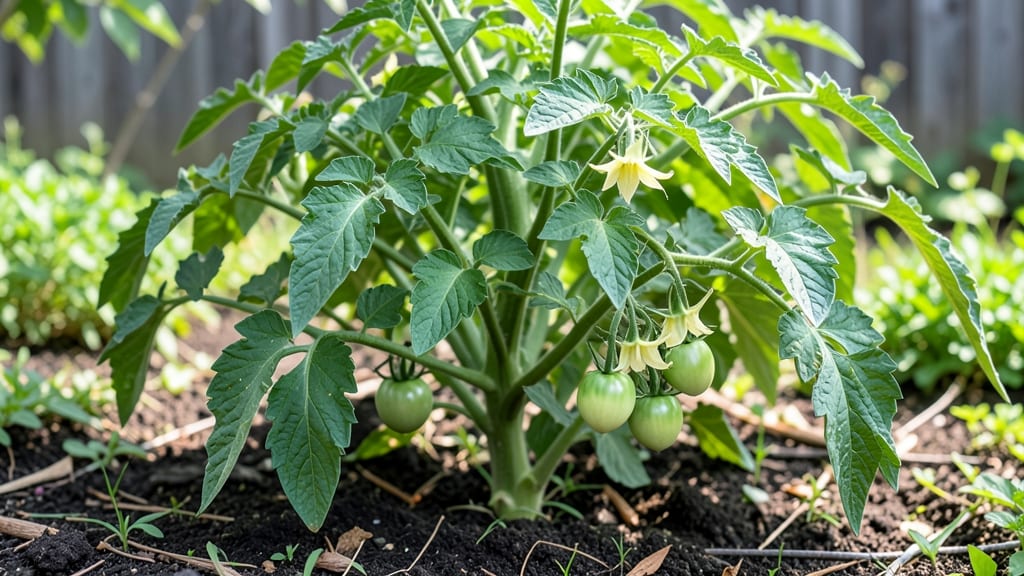
Growing great white tomato plants means giant, disease-resistant fruits that outshine most heirlooms. 🌿 These beefsteak tomatoes resist blight and crack less than other varieties, but they need the right care to reach their full potential—think 3-pound fruits that taste like summer in every bite.
Start with rich, well-draining soil mixed with compost, and plant after your last frost when soil reaches 60°F. Great Whites need 6-8 hours of sun daily and a sturdy cage or trellis—they grow 6-8 feet tall if left unpruned, but pruning improves airflow and fruit size.
Water at the base consistently, keeping soil moist but never soggy. The payoff comes in midsummer: smooth, creamy-white fruits with a sweet, tangy flavor that keeps improving as they ripen. Harvest when fully colored, and expect 20-30 pounds per plant if conditions are perfect.
The key is patience—these tomatoes take 80-90 days to mature, but the wait is worth it. For beginners, focus on consistent watering and regular pruning to avoid disease. If you live in a humid climate, mulch heavily and space plants 3-4 feet apart to prevent fungal issues.
With the right setup, these tomatoes will be the star of your garden—and your kitchen table.
📚 In This Guide
- What you need
- Instructions
- Tips and common mistakes
- Wrapping up and next steps
What you need
- ● Seeds or Seedlings: 3–5 Great White tomato seeds (or seedlings) – disease-resistant and perfect for large harvests!
- ● Containers or Garden Bed: 5-gallon pots (1 per plant) or
- ● A well-draining garden bed (6 ft x 6 ft minimum for 3–5 plants)
- ● Potting Mix: 10–15 lbs of high-quality, organic potting soil (or compost-enriched garden soil with a pH of 6.0–6.8).
- ● Fertilizer: Balanced organic fertilizer (e.g., 5-5-5 or 10-10-10 NPK ratio)
- ○ Slow-release tomato fertilizer (optional but recommended for extra nutrients)
- ● Support System: 6–8 ft tall tomato cages or sturdy stakes (2 per plant for heavy vines).
- ● Basic Gardening Tools: Trowel, pruners, and gloves (for planting and maintenance).
- ● Watering Supplies: Hose with a gentle spray nozzle or drip irrigation system (consistent moisture is key!).
- ● Mulch: Straw or shredded leaves (2–3 inches thick) to retain moisture and suppress weeds.
- ○ Optional (But Helpful!): Compost tea or mycorrhizal fungi for soil boosts.
- ● Row covers (early season) to protect from pests.
- ● pH test kit (to monitor soil acidity).
Step-by-Step guide to growing disease-resistant Great White tomatoes
Here's how to cultivate these impressive heirlooms—strong, flavorful, and built to outlast common tomato diseases.
🌱 Step 1: Select and Prepare Healthy Seedlings
Start with 4 disease-resistant Great White tomato plants from a reputable nursery or seed supplier. Look for stocky seedlings with deep green leaves and no yellowing—these are your first line of defense against early blight and other fungal threats. I always inspect the undersides of leaves for signs of powdery mildew before bringing them home.
Acclimate your plants to outdoor conditions over 7-10 days before transplanting. Place them in a sheltered spot during the day and bring them indoors at night. This gradual process prevents transplant shock, which can leave plants vulnerable to disease. You'll know they're ready when they bounce back quickly from a full day outside.
☀️ Step 2: Plant in Full Sun with Proper Spacing
Choose a location that receives at least 8 hours of direct sunlight daily—Great Whites need plenty of light to develop their signature size and flavor. Amend the soil with 2-3 inches of compost before planting to improve drainage and provide essential nutrients. These tomatoes grow large, so space each plant 3-4 feet apart in rows 4 feet apart to allow for airflow and easy maintenance.
Dig a hole twice as wide as the root ball but no deeper. Gently remove the plant from its container and place it in the hole, ensuring the top of the root ball sits ½ inch below soil level. This slight burial helps prevent soil-borne diseases from attacking the stem. Water thoroughly after planting to settle the soil around the roots.
💧 Step 3: Water Deeply and Consistently
Water your Great White tomatoes at the base of the plant early in the morning to allow foliage to dry quickly, reducing the risk of fungal diseases. Aim for 1-1.5 inches of water per week, adjusting for rainfall. Let the top 2 inches of soil dry out between waterings—this encourages deep root growth and prevents blossom-end rot.
Use drip irrigation or soaker hoses to deliver water directly to the soil. Avoid overhead watering, which can spread disease spores. Mulch around the base of the plants with 2-3 inches of organic mulch to retain moisture, suppress weeds, and keep soil temperatures stable. You'll notice healthier plants with fewer yellow leaves when moisture is consistent.
✂️ Step 4: Prune and Support for Maximum Yield
Prune your Great White tomatoes regularly to improve airflow and direct energy toward fruit production. Remove suckers—the small shoots that form in the leaf axils—when they're about 2 inches long. These compete with the main stem for nutrients, reducing overall yield. I prune suckers every 2 weeks during the growing season to keep plants focused on producing fruit.
Install sturdy cages or stakes at planting time to support the plants as they grow. Great Whites can reach 6-8 feet tall, so choose supports that can handle their weight. Prune lower leaves as the plant grows to keep foliage off the ground, which reduces the risk of soil-borne diseases. You'll see stronger stems and heavier fruit when the plants are properly supported and pruned.
🌿 Step 5: Monitor for Pests and Diseases
Inspect your plants weekly for signs of common tomato pests like aphids, hornworms, and whiteflies. Early detection is key—remove affected leaves or pests by hand, or treat with an organic insecticidal soap if necessary. Great Whites are disease-resistant, but they're not immune to problems like early blight or septoria leaf spot, which thrive in humid conditions.
Apply a copper fungicide preventatively every 2-3 weeks during wet seasons to create a protective barrier. Remove and destroy any diseased leaves immediately to prevent the spread. You'll notice fewer yellow or brown spots on the foliage when you act quickly. Harvest fruit regularly to encourage continued production and reduce stress on the plants.
Tips & tricks for perfectly thriving Great White tomato plants
Growing these disease-resistant giants successfully comes down to a few key strategies that prevent common pitfalls and maximize yields.
Seedling Selection: When choosing your 4 plants, prioritize those with strong stems and vibrant green leaves—these are the best indicators of disease resistance. I've found that seedlings with slightly fuzzy leaves often have better natural defenses against fungal spores. Avoid any with yellowing or brown spots, even if they're small, as these can signal early-stage disease.
Transplant Timing: The 7-10 day acclimation period in Step 1 is non-negotiable for Great Whites. I learned this the hard way after transplanting shock-sensitive plants directly into full sun. Start with just 2-3 hours of morning sun on day 1, then gradually increase exposure. Watch for wilting—if leaves droop but perk up by evening, they're ready for more sun.
Soil Preparation: Don't skimp on the 2-3 inches of compost called for in Step 2—this isn't just about nutrients, it's about creating the right soil structure. I mix in a handful of perlite or vermiculite to improve drainage, especially in clay-heavy soils. The slightly buried root ball technique helps prevent soil-borne diseases by creating a natural barrier against splashing water.
Pruning Strategy: When removing suckers every 2 weeks, focus on the ones growing below the first flower cluster—they're the biggest energy drainers. I use clean, sharp pruners and immediately drop them into a bucket of bleach water to prevent spreading any potential diseases between plants. The 2-inch size guideline is perfect because smaller suckers are harder to spot and larger ones have already started competing with your main stem.
Pro Tips for Great White Tomato Plants
- Growing these disease-resistant giants successfully comes down to a few key strategies that prevent common pitfalls and maximize yields.
- Seedling Selection: When choosing your 4 plants, prioritize those with strong stems and vibrant green leaves—these are the best indicators of disease resistance.
- Transplant Timing: The 7-10 day acclimation period in Step 1 is non-negotiable for Great Whites.
Frequently asked questions
Got questions about growing Great White tomato plants? You’re not alone! Here are some of the most common queries—and their answers—to help you cultivate these disease-resistant giants like a pro.
How long does it take for Great White tomato plants to produce fruit?
With proper care, Great White tomatoes typically start flowering in 50–60 days after transplanting and produce fruit within 60–70 days from planting. Early varieties can yield sooner, while later plantings may take a bit longer—especially in cooler climates. Patience pays off with juicy, 12-ounce beauties!
Can Great White tomatoes survive frost or cold weather?
These tomatoes are not frost-tolerant—they thrive in warm temperatures (70–85°F) and will suffer if exposed to frost (<32°F). Start seeds indoors 6–8 weeks before the last frost and transplant after soil warms to 55°F+. Use row covers if early nights dip below 50°F to protect young plants.
What’s the best way to support Great White tomato plants?
Great White tomatoes are indeterminate, meaning they grow 6–10 feet tall and need sturdy support. Use a cage (5+ feet tall), trellis, or sturdy stakes to prevent sprawling. Prune suckers (side shoots) to improve airflow and redirect energy to fruit production. Pro tip: Tie stems gently with soft plant ties to avoid damaging the vines!
Are Great White tomatoes prone to pests or diseases?
One of their biggest perks is disease resistance to Verticillium and Fusarium wilt, early blight, and nematodes. However, watch for hornworms, aphids, and whiteflies. Handpick pests or use neem oil for organic control. Prevention tip: Space plants 2–3 feet apart for airflow and remove diseased leaves promptly.
What are some great companion plants for Great White tomatoes?
Pair Great White tomatoes with basil, marigolds, onions, or garlic to deter pests and improve growth. Avoid planting near corn, cabbage, or fennel, as they compete for nutrients or attract tomato hornworms. Bonus combo: Plant basil nearby—it enhances flavor and repels mosquitoes!
Wrapping up and next steps
Growing great white tomato plants is a rewarding journey that blends resilience with abundance—thanks to their disease resistance and impressive yields! 🌱 Whether you're a seasoned gardener or just starting, these giants offer a low-maintenance way to enjoy homegrown tomatoes that stand out in flavor and appearance.
With the right companion plants, soil prep, and care, you’ll soon be harvesting slicing, saucing, and snacking on your own crisp, juicy bounty.
Ready to take the next step? Start small—plant a few seeds or seedlings this season and watch your garden thrive! For even bigger success, join gardening communities to swap tips or explore advanced techniques like trellising or succession planting.
Your future harvest (and bragging rights!) are just a season away. 🍅✨