
Pests
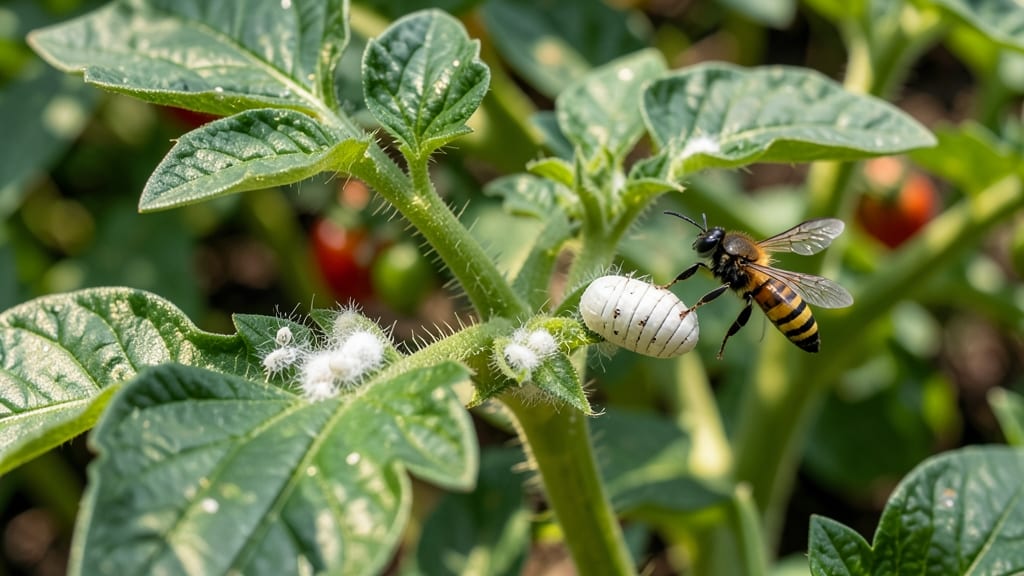
Discovering white insects on your tomato plants can be alarming, but identifying them correctly is the first step to saving your harvest. This guide covers 10 common white pests, their organic removal methods, and how to prevent future infestations naturally.
Aphids on Tomato Leaves
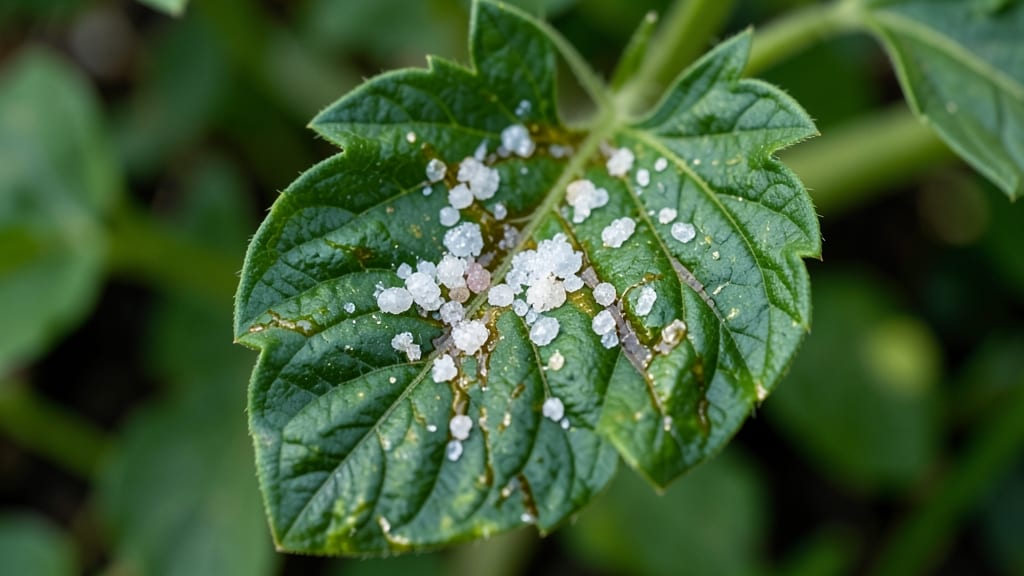
If you’ve spotted tiny, clustered white specks on your tomato leaves, you’re likely dealing with aphids—sap-sucking pests that can stunt your plants before they even reach fruiting stage. These soft-bodied insects thrive in colonies, excreting sticky honeydew that attracts mold and weakens leaves, making quick action essential.
Start by spraying a mix of 1 tablespoon neem oil or insecticidal soap per quart of water directly on the undersides of leaves where aphids cluster. For severe infestations, repeat every 3-5 days until they disappear. A strong stream of water can also dislodge them immediately, though follow up with organic treatments to prevent recurrence.
This pest is especially tricky for container gardeners or those growing tomatoes in small spaces, where aphids can spread rapidly. Early intervention keeps your plants thriving. 💚
Whiteflies Infesting Tomato Flowers
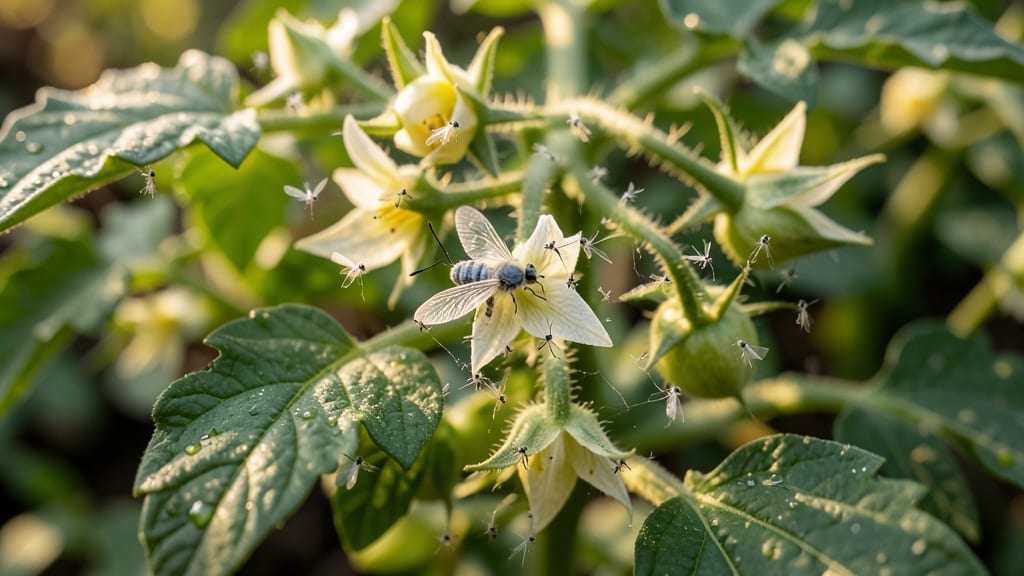
When you spot tiny white moths fluttering around your tomato flowers, you’re likely dealing with whiteflies—a sneaky pest that weakens plants by draining sap and spreading diseases. Unlike aphids, these pests target flowers and fruit, reducing your harvest before it even starts.
To tackle them organically, start with yellow sticky traps placed near the plants to catch adults in flight. For a physical barrier, apply kaolin clay sprays (like Surround WP), which coat the leaves and deter whiteflies without harming pollinators. Repeat treatments every 5–7 days during peak activity, especially in warm, dry conditions.
This method is ideal for container gardeners or those avoiding chemicals, offering quick results while keeping your tomato plants thriving. 🌟
Mealybugs on Tomato Stems
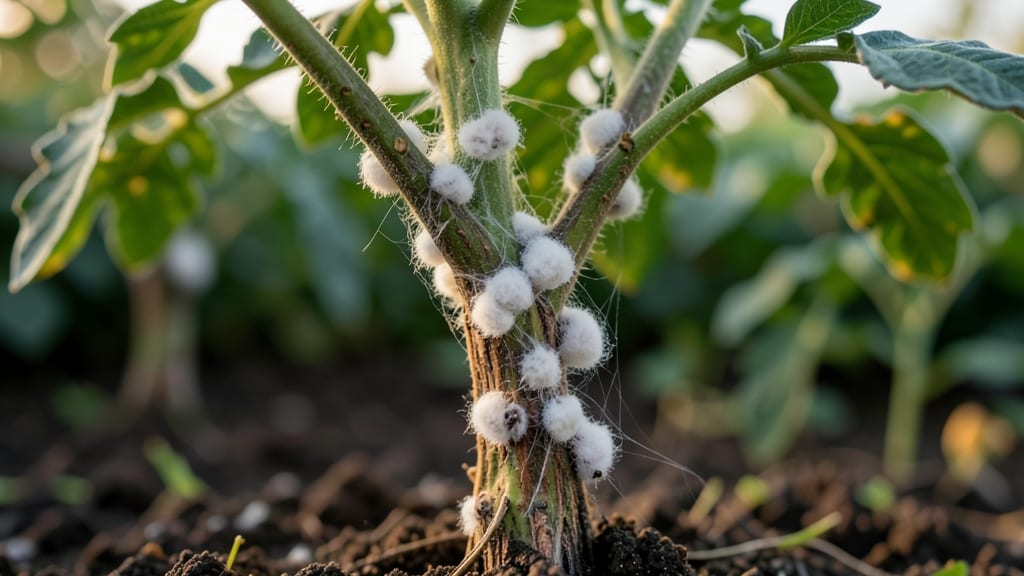
Those fluffy, cottony white clusters clinging to your tomato stems aren’t just unsightly—they’re mealybugs silently siphoning nutrients from your plants. Unlike aphids or whiteflies, these pests burrow into crevices, making them harder to spot until your tomatoes show signs of stress like yellowing leaves or stunted growth.
For targeted organic control, reach for rubbing alcohol-soaked cotton swabs—dabbing them directly onto mealybugs dissolves their protective waxy coating. Alternatively, introduce ladybugs to your garden; they’re natural predators that feast on mealybugs without harming your tomatoes. Prune heavily infested stems and dispose of them in sealed bags to prevent spread.
This method is especially helpful for container gardeners or those with limited space, as it avoids harsh chemicals while keeping your plants thriving. 💚
Scale Insects on Tomato Fruit
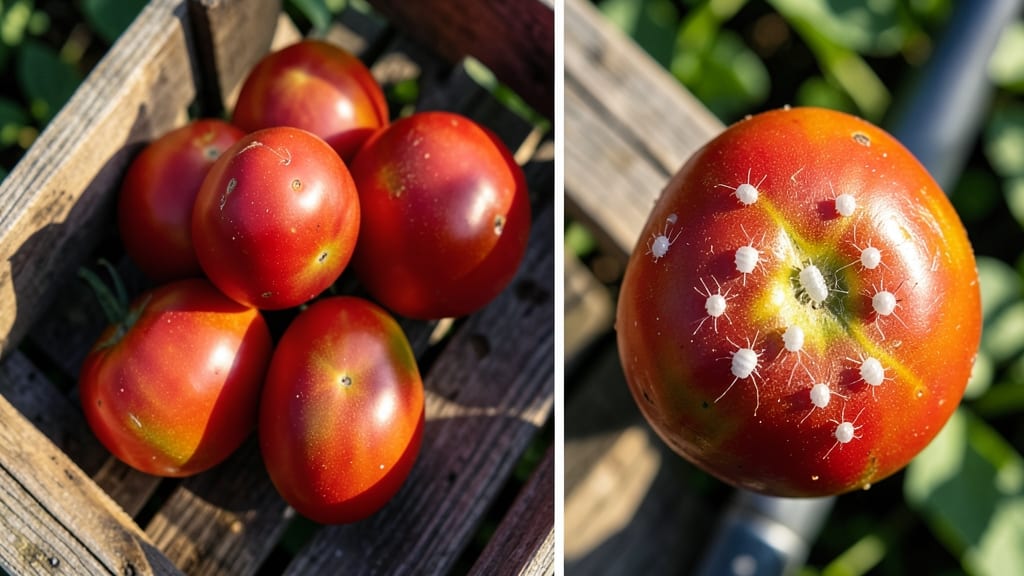
Those stubborn white bumps on your tomato fruit aren’t just unsightly—they’re scale insects sucking nutrients and reducing your harvest. Unlike other pests that hide in leaves or flowers, these armored invaders latch directly onto ripening fruit, making them harder to spot until it’s too late.
Start by inspecting fruit early in the season, especially near the stem. Use a soft-bristled toothbrush dipped in soapy water to gently scrape them off—this disrupts their protective shell. For a long-term organic solution, introduce parasitic wasps like Encarsia species, which naturally target scale insects without harming your plants or the environment.
This method works best for home gardeners who prioritize chemical-free growing. With consistent monitoring, you can protect your tomatoes and keep your harvest blemish-free. 🌱
Thrips Damaging Tomato Buds
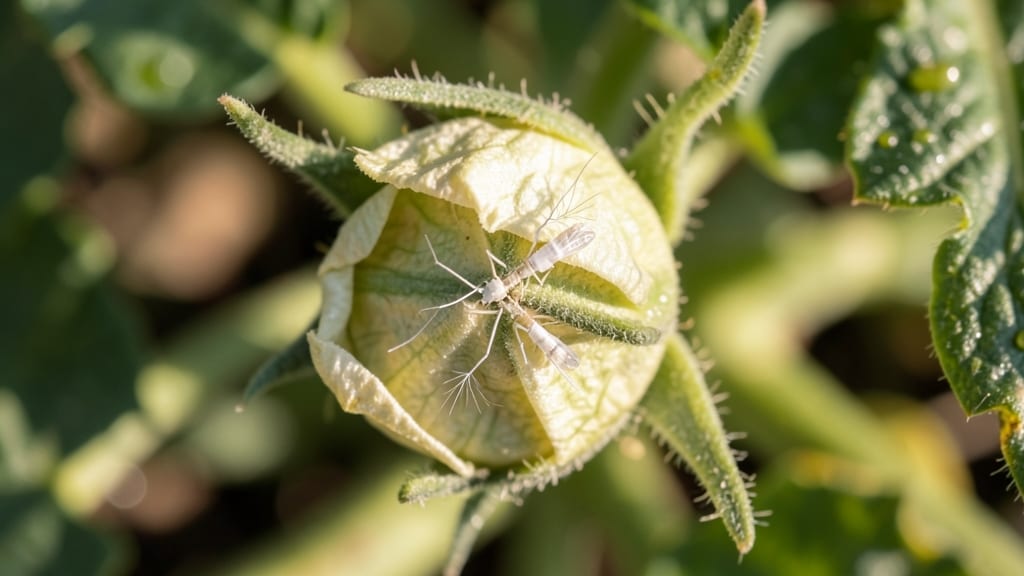
When your tomato buds start looking shriveled or deformed, the culprit is often thrips—tiny, slender white insects that feed on flower tissue. Unlike other pests, thrips don’t just weaken plants; they directly damage the parts that become your fruit, leading to misshapen tomatoes.
To combat them organically, start with blue sticky traps placed near your tomato plants—their color attracts thrips, disrupting their feeding patterns. Pair this with reflective mulch (like silver plastic) around the base of plants, which confuses thrips and reduces their ability to find buds. For severe infestations, a neem oil spray applied in the evening can also break their life cycle without harming beneficial insects.
This method works best for gardeners who prefer chemical-free solutions and want to protect their harvest while keeping the ecosystem balanced. Early intervention is key—catch thrips before they ruin your buds! 🌻
Spider Mites on Tomato Leaves
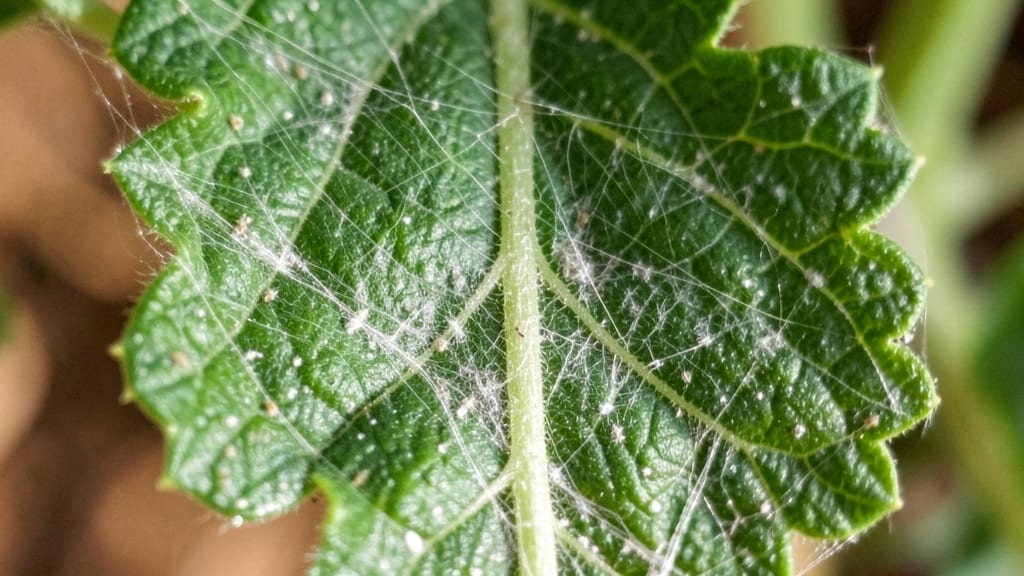
If your tomato plants are suddenly covered in fine webbing and you spot tiny white specks on the undersides of leaves, you’re likely dealing with spider mites—not the insects you’re used to seeing. These microscopic pests thrive in hot, dry conditions and multiply rapidly, leaving behind a telltale silvery webbing that can strangle your plants.
Look closely for the white eggs (about the size of a pinhead) clustered on leaf undersides—these hatch into voracious mites that pierce plant cells, causing yellow stippling and leaf drop. Unlike other pests, spider mites don’t fly or jump; they spread via wind or physical contact. To combat them, neem oil (applied weekly) disrupts their life cycle, while introducing predatory mites (like Phytoseiulus persimilis) offers long-term, chemical-free control.
This solution is ideal for gardeners who prefer organic methods or those dealing with heat-stressed plants, as spider mites often strike during droughts. Early action prevents irreversible damage, so check leaf undersides regularly during summer’s peak. 🌿
Cabbage Looper Caterpillars
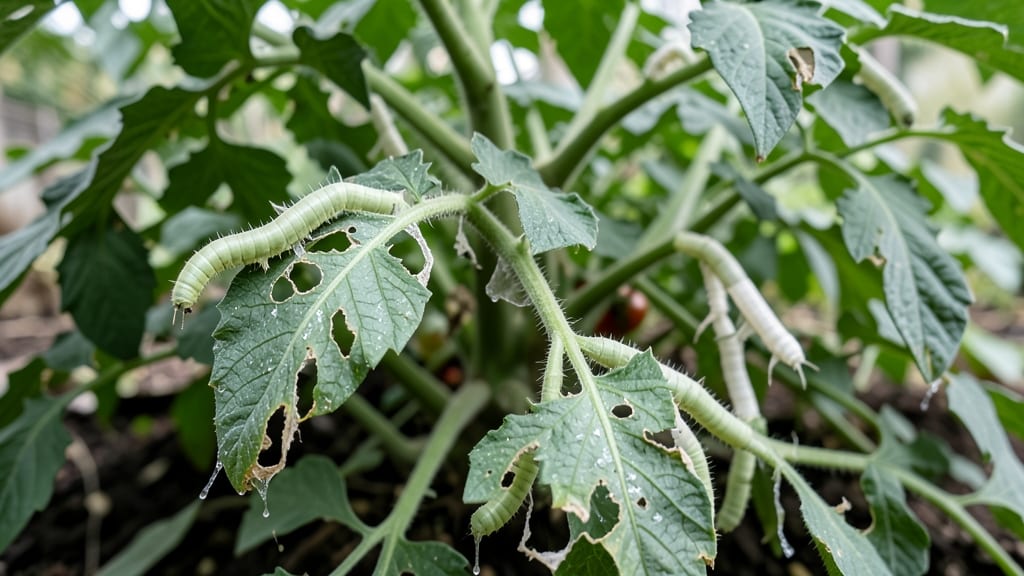
If your tomato plants are being stripped bare overnight, cabbage loopers—those pale green or white caterpillars with a looping gait—are likely the culprits. Unlike other pests, these ravenous chewers can devour entire leaves in just a few days, leaving behind skeletonized foliage that looks like lace.
For organic control, handpicking remains one of the most effective methods—simply drop them into soapy water during early morning when they’re sluggish. Alternatively, parasitic nematodes (like Steinernema carpocapsae) target the larvae in the soil without harming bees or ladybugs. These microscopic predators are especially useful if loopers have already burrowed into the soil to pupate.
This solution is ideal for gardeners who prioritize chemical-free methods and want to protect pollinators while keeping their tomato harvest intact. 🌱
Fungus Gnats on Tomato Roots
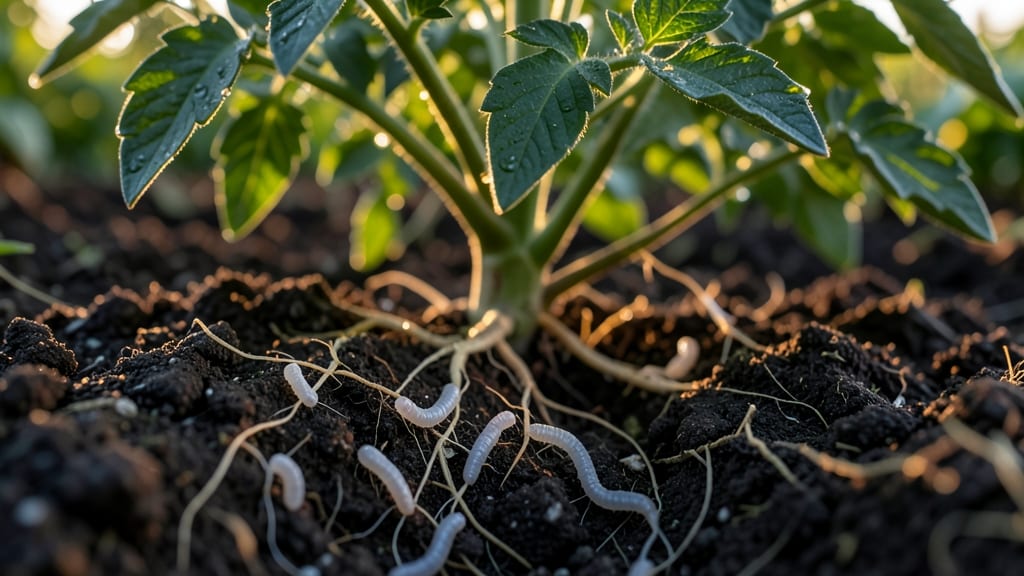
If your tomato plants look healthy above ground but suddenly wilt despite proper watering, the culprit might be lurking underground—fungus gnat larvae. These tiny, white, worm-like pests chew on delicate roots, starving your plants of water and nutrients while you remain unaware.
To tackle them, start by placing yellow sticky traps near your tomato pots or beds—they’re irresistible to adult fungus gnats. Reduce soil moisture by letting the top inch dry out between waterings, as these pests thrive in soggy conditions. For severe cases, sprinkle a thin layer of sand or perlite on the soil surface to disrupt their breeding cycle. This approach prevents future infestations without harsh chemicals. 🌱
Lacewings Targeting Tomato Pests
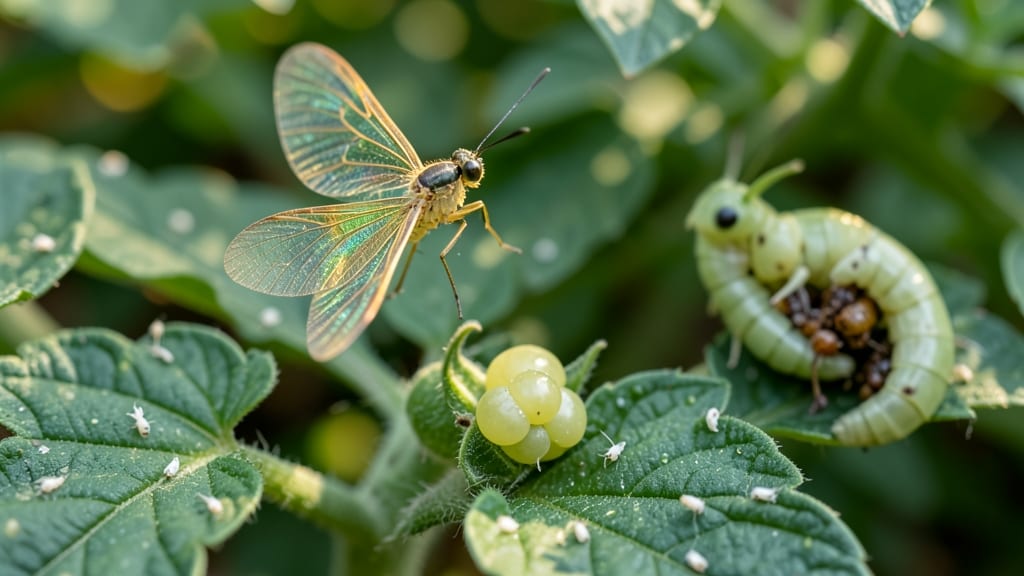
Not all white insects are tomato plant villains—some are tiny, green-clad lacewings that act as nature’s pest control team. These delicate, lace-winged adults lay eggs that hatch into voracious larvae, which devour aphids, whiteflies, and even mealybugs by the dozens.
To attract lacewings, create a dappled shade environment with partial sunlight and add shallow dishes of water (they’re thirsty predators!). Planting dill, yarrow, or cosmos nearby also draws them in. Once established, a single lacewing larva can consume hundreds of pests in its lifetime, making them a low-maintenance solution for organic gardeners.
Perfect for container growers or small-space gardeners, lacewings require no chemicals—just a welcoming habitat. Let them work their magic while you enjoy thriving plants. 🌿
Parasitic Wasps Controlling Tomato Pests

Tired of battling mealybugs and scales on your tomato plants? Tiny parasitic wasps could be your secret weapon—these beneficial insects lay their eggs inside pests, naturally controlling populations without chemicals. Unlike other solutions, they provide long-term protection by creating a self-sustaining ecosystem in your garden.
To attract them, plant dill or fennel nearby—their strong scent lures these wasps in. They’ll target mealybugs, scales, and other sap-sucking pests while leaving your tomatoes unharmed. This method works best in warm climates, but even cooler regions can see results with a little patience. Just avoid pesticides, as they’ll kill the wasps too.
Perfect for organic gardeners, this approach requires zero maintenance once established. Let nature handle the pest control while you enjoy healthier, thriving plants. 🌱