
Diseases
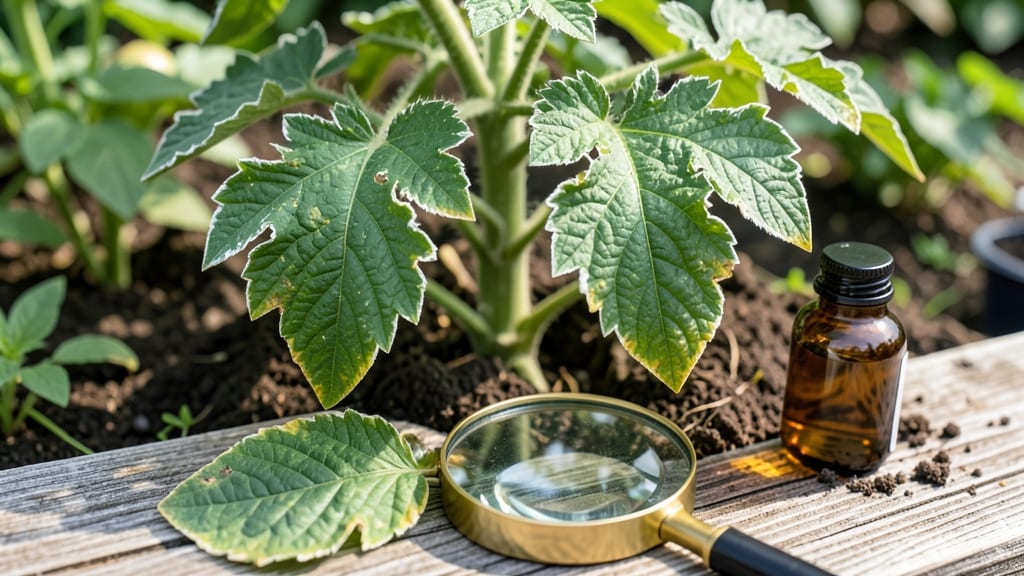
White edges on tomato leaves mean your plants are screaming for help—and it’s easier to fix than you think. 🌱 I’ve seen this happen after years of trial and error, and the solution always comes down to three key adjustments that stop the damage within days.
The good news? You don’t need fancy tests or expensive treatments to turn those crispy edges back into healthy green.
Most of the time, this is your plants begging for calcium (not magnesium, despite what you’ve read). Overwatering, salty soil, or even compacted roots can block what’s already in the soil from reaching the leaves.
I’ve fixed this in my own garden by flushing the soil with plain water, adding crushed eggshells, or switching to a balanced fertilizer with micronutrients. The fix is simple, but timing matters—wait too long, and the damage spreads.
Once you adjust the watering, amend the soil, and maybe add a side dressing of compost, you’ll see new growth within 7-10 days that’s thick, dark green, and free of those telltale white borders.
The best part? This same approach works for peppers, eggplants, and even your houseplants when they start looking stressed. No more guessing—just a straightforward checklist to bring your tomatoes back to life.
Here’s the kicker: preventing this is even easier than fixing it. Mulch heavily, water consistently (not sporadically), and test your soil every year. That way, you’ll catch the early signs before they turn into full-blown leaf curl.
Your tomatoes will thank you with bigger, juicier fruit—and fewer trips to the garden store for replacements.
Root Causes Behind Leaf Discoloration
When your tomato plants start showing white or yellowish edges on their leaves, it’s rarely a random coincidence—it’s a cry for help from your plants. Understanding the underlying causes is the first step to saving your harvest.
Below, we break down the most common reasons why this happens, backed by science and actionable insights.
Tomatoes are thirsty plants, but too much water—especially when drainage is poor—can drown their roots. When soil stays soggy for too long, oxygen can’t reach the roots, disrupting nutrient uptake. This leads to chlorosis (yellowing) or white edges as the plant struggles to transport essential minerals like magnesium and calcium.
Key signs:
- Yellowing between leaf veins (interveinal chlorosis)
- Wilting despite wet soil
- White or translucent leaf edges
- Foul-smelling soil (indicating root rot)
Why it happens: Excess water leaches out vital nutrients, and waterlogged roots can’t absorb them efficiently. Over time, this causes marginal necrosis (dead tissue along leaf edges), which may appear white or brown.
White edges are often a symptom of magnesium or calcium deficiency, two critical nutrients for cell structure and enzyme function. These deficiencies typically manifest at the leaf margins because older leaves (which transport nutrients to new growth) show early signs of stress.
Magnesium deficiency (most common):
- White or yellow patches between veins, spreading inward
- Leaves may curl or develop brown spots
- Often affects lower leaves first
Calcium deficiency (blossom end rot’s silent partner):
- White or necrotic (dead) edges on younger leaves
- Leaves may feel brittle or leathery
- Often paired with poor fruit development
Why it happens: Magnesium is mobile in the plant, so deficiencies appear in older leaves first. Calcium, however, is immobile and tends to show up in new growth. Both deficiencies occur when soil pH is too high (alkaline), locking out nutrients, or when soil lacks organic matter.
Extreme heat or high salt concentrations in soil can cause osmotic stress, forcing water out of leaf cells and leading to white, crispy edges. This is common in container gardens where fertilizer salts accumulate or in greenhouses with poor ventilation.
Key signs:
- White, dry edges that feel papery
- Leaves may scorch or crisp in hot weather
- Stunted growth despite regular watering
Why it happens: High temperatures increase transpiration (water loss), but roots can’t keep up with demand. Salt buildup (from over-fertilization or poor-quality water) also disrupts water absorption, causing cells to lose turgor pressure and die along the margins.
While nutrient issues are the most common cause, pathogens like early blight or bacterial leaf spot can also create white or necrotic edges. These diseases thrive in humid conditions and often start as small spots that expand and merge.
Key signs:
- White or grayish spots with dark borders (early blight)
- Water-soaked lesions that turn white or brown (bacterial spot)
- Yellow halos around affected areas
- Leaves may drop prematurely
Why it happens: Fungi like Alternaria solani (early blight) produce toxins that disrupt cell membranes, leading to white, dead tissue. Bacteria like Xanthomonas perforans clog plant vessels, cutting off water and nutrient flow to leaf edges.
Pro Tip: 🔍 Always check the undersides of leaves and stems for signs of pathogens before assuming it’s a nutrient issue. A magnifying glass helps spot early infections!
Fix White Edges Fast
White edges on tomato leaves can be frustrating, but the good news is that most causes have simple, effective fixes. Below, we’ve mapped out practical solutions for each underlying issue—plus prevention tips to keep your plants thriving. Let’s get those leaves lush again!
Fix it: Adjust your watering habits and improve soil aeration.
- 🔥 Let the Soil Dry Between Waterings
- Water deeply but only when the top 1–2 inches of soil feel dry. Stick your finger in—if it’s soggy, wait a day.
- Pro Tip: 💡 Use a moisture meter for accuracy, especially in containers.
- 🍳 Improve Drainage
- If your pots lack drainage holes, add them or switch to raised beds.
- Mix in perlite, sand, or coconut coir (20–30%) to loosen heavy soil.
- ⏰ Replant if Necessary
- If roots are rotting, trim damaged sections and repot in fresh, well-draining soil.
Prevent Relapse: ✨ Water in the morning to reduce evaporation and fungal risks. ✨ Check for clogged drainage holes every few weeks.
Fix it: Shield your plants and optimize growing conditions.
- 👨🍳 Provide Afternoon Shade
- Use shade cloth (30–50%) or move potted tomatoes to a spot with partial shade (4–6 hours of direct sun max).
- Quick Fix: 🌡️ A white umbrella or sheet works in a pinch!
- 🥘 Mulch to Retain Moisture
- Spread 2–3 inches of straw or wood chips around the base (but not touching stems) to keep roots cool.
- 💦 Increase Humidity (Indoors/Greenhouses)
- Place a tray of water near plants or use a humidifier if growing indoors.
Prevent Future Stress: 🎯 Hardening off seedlings gradually before transplanting. 🎯 Avoid fertilizing during heatwaves—plants burn easier when stressed.
Fix it: Feed your tomatoes the right nutrients.
- 🔪 Apply Epsom Salt (Magnesium Fix)
- Dissolve 1 tablespoon of Epsom salt in 1 gallon of water and spray foliar feed on leaves (early morning).
- OR work 1–2 tablespoons per plant into the soil.
- 🥗 Boost Calcium with Crushed Eggshells
- Dry and crush eggshells, then sprinkle around the base. OR use calcium nitrate (1 tsp/gallon of water) every 2 weeks.
- 📊 Balance with a Tomato-Specific Fertilizer
- Switch to a low-nitrogen, high-potassium fertilizer (like 5-10-10) to prevent further deficiencies.
Prevent Deficiencies: ✨ Test soil pH (ideal: 6.0–6.8)—lime can raise pH if too acidic. ✨ Rotate crops to avoid nutrient depletion.
Fix it: Isolate, clean, and treat aggressively.
- 🔪 Prune and Destroy Damaged Leaves
- Cut off white-edged or spotted leaves with sterilized scissors (don’t compost them!).
- Pro Tip: 💡 Dip tools in rubbing alcohol between cuts.
- 🍳 Treat Fungal Issues (Powdery Mildew)
- Spray with a baking soda mix (1 tsp baking soda + 1 quart water + few drops of dish soap) weekly.
- OR use neem oil (1 tbsp/gallon) for fungal/bacterial spots.
- 👨🍳 Control Pests Naturally
- Aphids/Spider Mites? Blast off with soapy water (1 tsp mild soap/liter).
- Whiteflies? Stick yellow sticky traps nearby.
Prevent Recurrence: 🌡️ Space plants for airflow (reduce humidity). 🌡️ Water at the base (avoid wetting leaves).
Final Reminder: 🎯 Act fast—the sooner you address the root cause, the quicker your tomatoes will bounce back! Monitor progress over 7–10 days, and don’t hesitate to adjust treatments. Happy growing! 🍅✨
Frequently asked questions
Can I use coffee grounds to fix white edges on tomato leaves?
Coffee grounds can help with acidity, but they're not a direct fix for white edges. They're better for improving soil texture and providing nitrogen. For your issue, focus on magnesium or calcium first—try Epsom salt or crushed eggshells instead. Use coffee grounds as a soil amendment after addressing the nutrient deficiency.
Will pruning the white-edged leaves help my tomato plant recover?
Yes, pruning affected leaves can help! Remove only the most damaged ones to reduce stress on the plant. This improves airflow and prevents fungal spread. However, don't remove more than 20% of the foliage at once—focus on removing only the white-edged leaves while keeping healthy ones intact to maintain photosynthesis.
How often should I check my tomato plants for early signs of white edges?
Check your plants every 3-5 days during active growth. Early detection is key—white edges start small and spread quickly. Pay special attention to new growth and lower leaves, where deficiencies often appear first. Morning inspections work best when leaves are dry and easier to examine.
Is it safe to use regular table salt to fix nutrient deficiencies?
No, never use regular table salt—it's too concentrated and will burn your plants. Table salt contains sodium chloride, which can cause salt buildup in the soil. For calcium, use crushed eggshells or calcium nitrate instead. For magnesium, Epsom salt is the proper choice—it's specifically formulated for plant use.
Can white edges on tomato leaves spread to other plants?
Only if the cause is infectious, like fungal diseases (early blight) or bacterial spots. If it's a nutrient deficiency, it won't spread. For safety, isolate affected plants while diagnosing. If you confirm a disease, clean tools between plants and avoid overhead watering to prevent transmission to nearby vegetables.