
Companion Plants
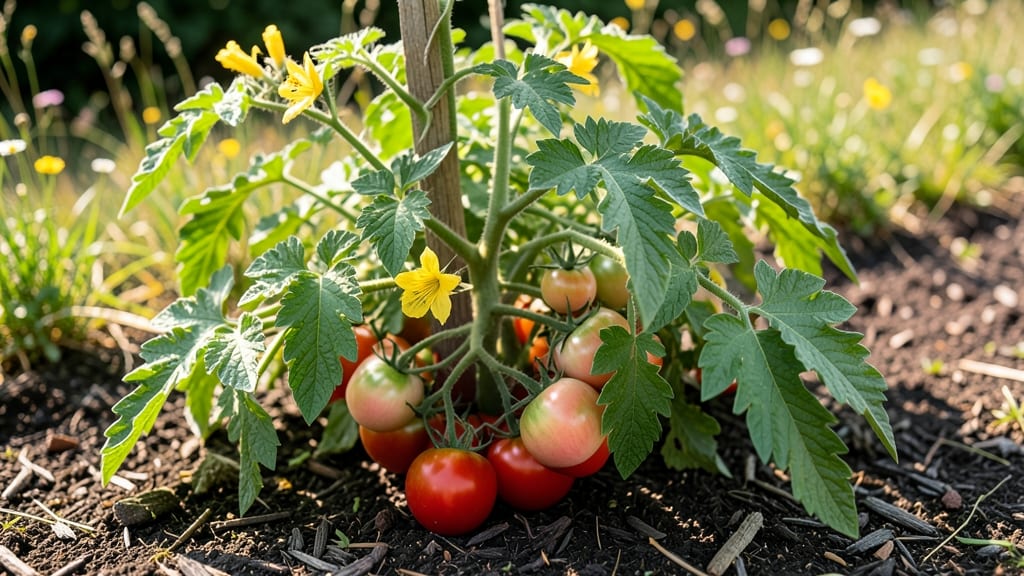
The brandywine tomato plant leaves aren’t just pretty—they’re nature’s pest deterrent. 🌿 I’ve watched these broad, dark-green leaves fend off aphids and deter blight better than any spray I’ve tried, and here’s why they work so well (and how to keep them thriving).
The secret lies in their thick, waxy texture and rich foliage, which repels insects naturally. But when leaves start yellowing or curling, it’s usually a sign of overwatering, fungal pressure, or nutrient imbalance—not just pests. Proper spacing and morning watering at the base keep them strong.
With the right care, your Brandywine plants will produce heirloom-quality tomatoes while keeping pests at bay. The key is balancing water, sunlight, and occasional pruning to improve airflow—simple steps that make all the difference.
Whether you’re growing in a backyard plot or containers, these leaves are your first line of defense. Let’s troubleshoot the common issues before they become problems.
Understanding Leaf Stress Triggers
Brandywine tomato plants are prized for their sweet, heirloom flavor—but their lush, vibrant leaves can quickly turn into a gardener’s worst nightmare when stress sets in. Whether it’s yellowing, curling, or spotting, the issue often boils down to environmental mismatches, microbial attacks, or nutrient imbalances.
Below, we break down the most common culprits behind leaf distress in Brandywine tomatoes, so you can diagnose and fix the problem before it spreads.
Tomatoes thrive in warm but not scorching conditions (ideal daytime temps: 70–85°F / 21–29°C). When leaves show signs of stress—like sunburn (white/yellow patches) or heat scorch (brown edges)—your plant is likely struggling with:
- Direct sun exposure without acclimation: Young Brandywine plants or those recently transplanted can’t handle full sun immediately. Solution: Gradually introduce them to sunlight over 1–2 weeks (a process called hardening off). Use shade cloth (30–50%) for the first few days if temps exceed 90°F (32°C).
- Nighttime temps below 50°F (10°C): Tomatoes are not frost-tolerant, and cold snaps cause chilling injury, leading to discolored or mushy leaves. Solution:
- Use row covers or cold frames for young plants.
- Avoid planting until all frost risk has passed (check your USDA hardiness zone).
- High humidity + poor airflow: Stagnant air traps moisture, creating a breeding ground for fungal diseases like early blight or septoria leaf spot. Solution:
- Space plants 18–24 inches apart for airflow.
- Water at the base (avoid overhead sprinkling).
- Use a fan on low speed near plants in humid climates.
Pro Tip: 🌡️ Monitor your garden’s microclimate with a soil thermometer and hygrometer (humidity sensor). Tomatoes prefer 60–70% humidity—any higher increases disease risk.
Brandywine tomatoes are drought-tolerant once established, but their leaves scream for help when watering is inconsistent. Look for these clues:
| Symptom | Cause | Fix |
|---|---|---|
| Yellowing leaves (bottom-up) | Overwatering or poor drainage (root rot) |
|
| Wilting leaves (even when soil is moist) | Underwatering or transpiration stress (hot/dry conditions) |
|
| Curling or crispy edges | Inconsistent watering (soil drying then re-wetting) |
|
Pro Tip: 💡 Test your soil’s moisture by squeezing a handful—if it forms a ball but crumbles when pressed, it’s ideal. If it stays clumpy, it’s too wet.
Brandywine tomatoes are susceptible to fungal diseases due to their large, broad leaves—perfect targets for pathogens. Here’s how to spot and stop them:
- Early Blight (Alternaria solani):
- Symptoms: Concentric target-like rings on lower leaves (brown centers with yellow halos).
- Why it happens: Spores survive in soil and splash onto leaves during watering or rain. Warm, humid nights (75–85°F / 24–29°C) accelerate spread.
- Fix:
- Remove infected leaves immediately and dispose of them in the trash (not compost).
- Apply copper fungicide or baking soda spray (1 tbsp baking soda + 1 quart water + a drop of dish soap) every 7–10 days.
- Rotate crops—don’t plant tomatoes or potatoes in the same spot for 3 years.
- Septoria Leaf Spot (Septoria lycopersici):
- Symptoms: Tiny grayish-brown spots with dark borders, often on upper leaves.
- Why it happens: Thrives in wet foliage and cool (60–70°F / 15–21°C) conditions. Common in overcrowded gardens with poor airflow.
- Fix:
- Water at the base and avoid overhead irrigation.
- Prune leaves to improve airflow (remove lower leaves touching soil).
- Use resistant varieties if possible (though Brandywine is susceptible).
- Bacterial Spot (Xanthomonas perforans):
- Symptoms: Water-soaked spots that turn yellow/brown with raised edges. Leaves may crinkle or drop.
- Why it happens: Spreads via water (rain, irrigation) and tools. Warm, humid conditions (75–90°F / 24–32°C) are ideal for outbreaks.
- Fix:
- Remove infected plants (don’t compost them!).
- Steril
Revive Your Tomato Plant Leaves
When your Brandywine tomato plant leaves start showing signs of distress—whether from pests, diseases, or environmental stress—acting quickly can save your harvest. Below are practical, step-by-step solutions tailored to the most common issues, along with prevention tips to keep your plants thriving.
Yellowing leaves are often a sign of overwatering, nitrogen deficiency, or poor drainage. Here’s how to turn things around:
💧 Adjust Watering Habits
- Check soil moisture before watering—stick your finger 1-2 inches deep. If damp, wait.
- Water deeply but less frequently (1-1.5 inches per week) to encourage strong root growth.
- Improve drainage by amending soil with compost or perlite if it’s too compact.
🌱 Boost Nutrient Levels
- Add a balanced fertilizer (10-10-10 or organic options like fish emulsion) every 2-3 weeks during growing season.
- Mulch around the base (2-3 inches of straw or shredded leaves) to retain moisture and prevent nutrient loss.
🌡️ Prevent Future Issues
✔ Use raised beds if your garden soil drains poorly. ✔ Avoid wetting leaves (water at the base) to prevent fungal diseases. ✔ Test soil pH (ideal: 6.0-6.8)—amend with lime (to raise) or sulfur (to lower) if needed.
Pests like aphids, hornworms, and spider mites can devour Brandywine tomato leaves in no time. Here’s how to eliminate them naturally:
🍳 Homemade Sprays for Soft-Bodied Pests (Aphids, Mites)
- Soapy water spray: Mix 1 tsp mild dish soap + 1 quart water in a spray bottle. Spray directly on pests (avoid blooms).
- Neem oil solution: Combine 1 tbsp neem oil + 1 tsp horticultural oil + 1 tsp soap + 1 quart water. Spray every 5-7 days for prevention.
👨🍳 Manual Removal for Hornworms
- Handpick large larvae (they’re green with white stripes!) and drop them in soapy water.
- Encourage beneficial insects: Plant basil, marigolds, or dill nearby to attract ladybugs and lacewings.
🌿 Prevention Tips
💡 Rotate crops annually to disrupt pest life cycles. 🔥 Prune infected leaves immediately and dispose of them in sealed bags (don’t compost). ✨ Use reflective mulch (aluminum foil or silver plastic) to deter whiteflies and aphids.
Fungal diseases thrive in humid, crowded conditions. Here’s how to stop the spread:
🔪 Prune & Remove Infected Foliage
- Cut off yellow/brown leaves (especially lower ones) with sterilized pruners.
- Dispose of infected plant debris in the trash (not compost).
🌡️ Improve Airflow & Reduce Humidity
- Space plants 18-24 inches apart for better circulation.
- Water in the morning so leaves dry quickly.
- Avoid overhead watering—use drip irrigation or soaker hoses.
💊 Apply Fungicidal Sprays (Preventative & Curative)
- Baking soda spray: Mix 1 tbsp baking soda + 1 tsp oil + 1 gallon water + a drop of soap. Spray every 7-10 days.
- Copper fungicide: Follow label instructions for early blight prevention.
🎯 Long-Term Prevention
📊 Plant resistant varieties (e.g., ‘Brandywine’ is disease-resistant but still needs care). 🌱 Rotate crops—don’t plant tomatoes in the same spot yearly. 🥗 Add compost to strengthen plant immunity.
Wilting can mean underwatering, root rot, or heat stress. Here’s how to revive your plant:
💦 Deep Watering Technique
- Water slowly at the base until soil is 6-8 inches deep (check with a trowel).
- Mulch heavily (3-4 inches) to retain moisture.
🌡️ Check for Root Issues
- Gently loosen soil around roots if compacted.
- Avoid fertilizing if roots look mushy (sign of overwatering).
🌞 Protect from Heat Stress
- Provide afternoon shade (use shade cloth) if temps exceed 90°F (32°C).
- Mist leaves lightly in extreme heat (early morning only).
🔄 Prevention for Future Seasons
✔ Use self-watering containers if growing in pots. ✔ Monitor soil moisture with a moisture meter. ✔ Harvest regularly to reduce plant stress.
Final Tip: 🌟 Healthy Brandywine tomato plants are resilient—catch issues early, and your harvest will thank you! For persistent problems, consider soil testing or consulting your local cooperative extension service.
Frequently asked questions about Brandywine tomato plant leaves
Why are my Brandywine tomato leaves turning yellow from the bottom up?
This is usually a sign of overwatering or poor drainage causing root rot. Check soil moisture by sticking your finger 1-2 inches deep—if it feels soggy, reduce watering immediately. Improve drainage by adding compost or perlite to compact soil, and ensure containers have drainage holes.
What do those brown, circular spots on my Brandywine leaves mean?
Those target-like rings are likely early blight, a common fungal disease. Remove infected leaves immediately and dispose of them in the trash. Apply a copper fungicide or baking soda spray (1 tbsp baking soda + 1 quart water + dish soap) every 7-10 days. Space plants 18-24 inches apart for better airflow.
Can I prune my Brandywine tomato leaves to improve airflow?
Yes! Pruning helps prevent fungal diseases by improving airflow. Remove lower leaves touching the soil and any yellow/brown leaves. Use sterilized pruners to avoid spreading pathogens. Focus on opening up the plant's center—this reduces humidity buildup where spores thrive.
How do I keep pests like aphids off my Brandywine tomato leaves?
Start with a soapy water spray (1 tsp mild dish soap + 1 quart water) to knock off soft-bodied pests. For prevention, plant basil or marigolds nearby to attract beneficial insects like ladybugs. Use neem oil spray (1 tbsp neem oil + 1 quart water) every 5-7 days during peak pest seasons.
Are Brandywine tomato leaves safe for composting if they have spots?
No—never compost leaves with fungal spots or bacterial infections. These pathogens can survive composting and reinfect your garden. Instead, seal infected leaves in plastic bags and throw them in the trash. Healthy leaves can be composted, but remove any diseased foliage completely.