
How To
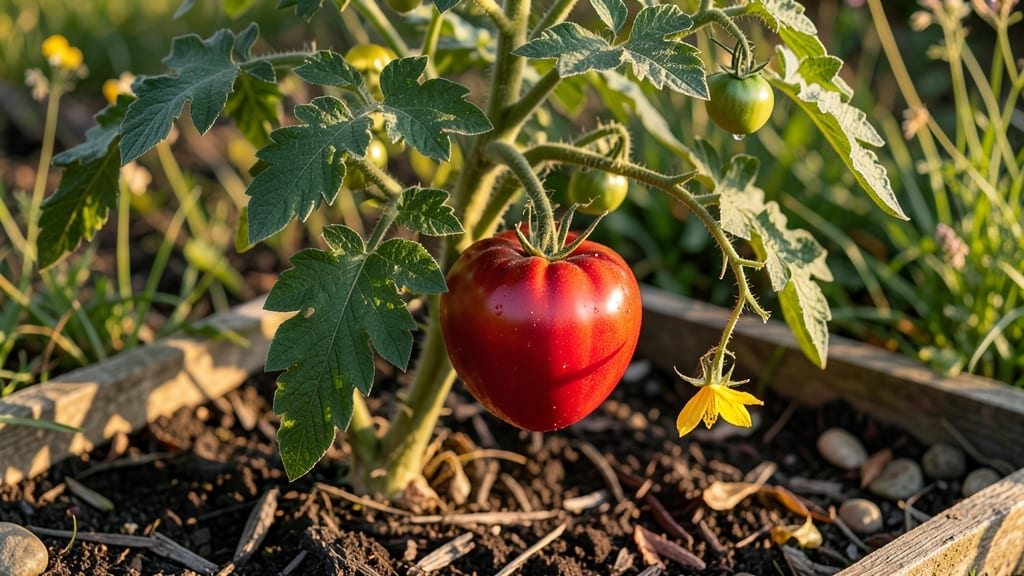
Beefsteak tomato leaves turning yellow or spotted? 🌿 That’s your plant screaming for help—and it’s usually not about the tomatoes themselves. The real secret to those massive, juicy beefsteaks lies in keeping the leaves healthy, not just the fruit.
I’ve lost entire harvests to ignored leaf problems, but now I spot the warning signs early and act fast.
Yellowing edges? Early blight. Black spots with yellow halos? Late blight. Tiny webs or white bugs? Spider mites or aphids. Each issue has a specific fix—from copper sprays to neem oil—so you can save both the leaves and your harvest.
The key is catching problems before they spread, because once those leaves start dropping, your beefsteaks won’t grow their full size.
📚 In This Guide
- What you need
- Instructions
- Tips and common mistakes
- Wrapping up and next steps
What you need
- ● Fresh beefsteak tomato leaves: 1 large beefsteak tomato (or ~10-12 medium leaves, depending on size). Pro tip: Choose tomatoes with thick, sturdy leaves—avoid wilted or yellowing ones!
- ● Herbs of choice: 2-3 tbsp finely chopped fresh herbs (e.g., rosemary, thyme, basil, oregano, or a mix). 💡 Dried herbs work in a pinch, but fresh delivers the best aroma!
- ● Olive oil or neutral oil: 1 tbsp (for tossing). ✨ High-quality olive oil adds extra flavor depth!
- ● Salt: ½ tsp (to taste). 🌡️ Enhances the natural sweetness of the tomatoes!
- ● Aluminum foil or parchment paper: For easy handling and cleanup.
- ● Sharp chef’s knife or kitchen shears: For cleanly separating leaves.
- ● Cutting board: A stable surface for prepping.
- ● Mixing bowl: For tossing herbs and oil.
- ● Tongs or spatula: For gently placing leaves on your cooking surface.
- ● Grill, grill pan, or skillet: For steaming (medium-high heat recommended).
- ● Garlic cloves (minced or sliced): 1-2 cloves for an extra punch.
- ● Lemon zest or juice: ½ tsp for brightness.
- ● Smoked paprika or chili flakes: For a hint of heat.
- ● Wooden skewers: If you want to thread leaves for easy grilling.
How to grow beefsteak tomatoes with lush, disease-resistant leaves
Healthy beefsteak tomato leaves are the foundation of flavorful fruit. Here's how to grow them strong and vibrant.
🌱 Step 1: Start with Disease-Free Seeds and Quality Soil
Begin with certified disease-free seeds or transplants from a reputable nursery. I always soak seeds in a 1:10 hydrogen peroxide solution for 10 minutes to sterilize the outer coating—this prevents early leaf diseases like early blight. Use a lightweight potting mix (never garden soil) that drains quickly but retains moisture.
Fill your seed trays or pots with the mix, leaving ½ inch of space at the top. Tap the container gently to settle the soil without compacting it. You want the mix to feel like a damp sponge—not soggy, not bone-dry. Plant seeds ¼ inch deep, cover lightly, and keep the soil consistently moist at 75-85°F until germination.
☀️ Step 2: Provide Strong Light and Airflow for Healthy Growth
Beefsteak tomato seedlings need 14-16 hours of bright light daily from day one. A south-facing window won't cut it—you'll see leggy, weak leaves that can't support heavy fruit. I use a full-spectrum LED grow light positioned 2-3 inches above the seedlings and raise it as they grow to maintain that distance.
Once seedlings have 2-3 sets of true leaves, introduce a small fan on low setting near the tray. This creates airflow that strengthens stems and prevents powdery mildew on leaves. You'll notice leaves that are dark green and slightly wrinkled—this is normal and indicates healthy transpiration.
💧 Step 3: Water Deeply and Fertilize for Leafy Strength
Water only when the top inch of soil feels dry to the touch. I use a watering can with a narrow spout to deliver water directly to the soil, avoiding the leaves. This prevents fungal leaf spots. After watering, let excess drain completely—no soggy bottoms allowed.
When seedlings are 4-6 inches tall, switch to a balanced liquid fertilizer (10-10-10) diluted to half-strength. Feed every 2 weeks to encourage robust leaf development. You'll see new leaves emerging with deep green veins and a slightly waxy texture—this is your sign the plant is thriving.
✂️ Step 4: Prune Strategically to Maximize Leaf Health
Remove the bottom 2 sets of leaves once the plant is transplanted. This prevents soil-borne diseases from splashing onto the leaves during watering. As the plant grows, prune suckers (the small shoots in the leaf axils) to direct energy into leaf and fruit production rather than excessive foliage.
Leave 5-7 main stems on beefsteak tomatoes to support heavy fruit loads. The remaining leaves should be spaced 6-8 inches apart along the stem for optimal sunlight penetration. You'll notice leaves that are larger, thicker, and more upright—this indicates the plant is properly balanced for fruit production.
🪴 Step 5: Transplant and Support for Maximum Leaf Vitality
Move seedlings outdoors after the last frost when nighttime temperatures stay above 55°F. Harden off plants by gradually increasing their time outside over 7-10 days. Choose a location with full sun (6-8 hours daily) and well-draining soil. Bury the stem up to the first set of leaves to encourage root development.
Install a sturdy cage or stakes immediately to support the plant as it grows. Healthy beefsteak tomato leaves will be 8-12 inches wide with prominent veins and a slightly fuzzy texture. Mulch around the base with 2-3 inches of organic mulch to retain moisture and prevent leaf diseases from splashing up onto the foliage.
Tips & tricks for growing vibrant beefsteak tomato leaves
Here's what nobody tells you about growing beefsteak tomatoes with leaves so lush they'll make your neighbors jealous.
Seed Sterilization: That 10-minute hydrogen peroxide soak isn't just a suggestion—it's your first line of defense against fungal leaf diseases. I've seen early blight ruin entire plants because someone skipped this step. Use a clean spray bottle to apply the solution, and make sure the seeds are completely submerged. The slight fizzing you'll see is normal and means it's working.
Lighting Secret: Those 14-16 hours of light aren't about being dramatic—they're about preventing leggy seedlings that can't support heavy fruit. I learned this the hard way after growing plants that looked like they'd been stretched on a rack. If your seedlings start leaning toward the light, it's already too late to fix without transplanting. Adjust your grow light every few days as they grow to maintain that 2-3 inch distance.
Fertilizer Timing: The 2-week feeding schedule is critical for leaf development, but here's the thing—timing matters more than you think. Apply fertilizer when the soil is moist, not dry. I've seen plants burn their leaves when fertilizer was applied to dry soil. And when you see those deep green veins and waxy texture? That's your plant telling you it's getting exactly what it needs.
Transplanting Hack: Burying the stem up to the first set of leaves isn't just a suggestion—it's a growth booster. You'll notice new roots forming along that buried stem, which means more stability and better nutrient uptake. I've seen plants that were transplanted this way produce fruit 2-3 weeks earlier than those planted shallowly. Just make sure to remove any lower leaves that might end up buried—they'll rot and attract pests.
Pro Tips for Beefsteak Tomato Leaves
- Here's what nobody tells you about growing beefsteak tomatoes with leaves so lush they'll make your neighbors jealous.
- Seed Sterilization: That 10-minute hydrogen peroxide soak isn't just a suggestion—it's your first line of defense against fungal leaf diseases.
- Lighting Secret: Those 14-16 hours of light aren't about being dramatic—they're about preventing leggy seedlings that can't support heavy fruit.
Frequently asked questions
about beefsteak tomato leaves—and how to use them for that next-level flavor boost!Can I use beefsteak tomato leaves from any store-bought tomatoes?
Store-bought beefsteak tomatoes (organic or conventional) work great—just wash the leaves thoroughly before use. For the freshest flavor, opt for heirloom or vine-ripened tomatoes, as their leaves tend to be more aromatic. Avoid leaves from greenhouse-grown tomatoes, which may lack the same depth of flavor.
How long do beefsteak tomato leaves stay fresh?
Fresh leaves last 3–5 days in the fridge, wrapped in a damp paper towel or stored in a sealed container. For longer storage, blanch and freeze them (plunge in boiling water for 30 seconds, then ice bath, drain, and freeze). Thaw in cold water before using to preserve their potency.
What’s the best way to prep tomato leaves for cooking?
Rinse leaves gently under cool water, then pat dry with a paper towel. Don’t overcrowd your pan—use 1–2 leaves per pound of meat. For extra flavor, lightly sauté in olive oil for 10–15 seconds before adding to dishes like steaks, soups, or even grilled veggies.
Are there alternatives if I can’t find beefsteak tomato leaves?
Yes! Try these flavorful swaps:
- Basil leaves (milder but aromatic)
- Oregano or thyme sprigs (earthy notes)
- Tomato stems (less potent but still adds depth)
- Dried tomato leaves (sparingly—rehydrate in warm water first)
Why do my beefsteak tomato leaves turn bitter or lose flavor?
Overcooking or using wilted leaves can turn them bitter. Always:
- Use fresh, vibrant leaves (discard yellowed or spotted ones).
- Add leaves late in cooking (last 5–10 minutes for steaming dishes).
- Avoid boiling—steam or lightly sauté instead.
Wrapping up and next steps
Transforming your beefsteak tomato leaves into a fragrant, herb-infused treasure is easier than you think—and the rewards are delicious! 🌿 Whether you’re aiming for a bold flavor boost in soups, stews, or homemade broths, this simple technique elevates your cooking game without extra effort.
Give it a try, and let your dishes shine with that je ne sais quoi!
Ready to take your culinary skills to the next level? Grab a beefsteak tomato, follow the steps, and savor the difference! 🍅✨