
Plants
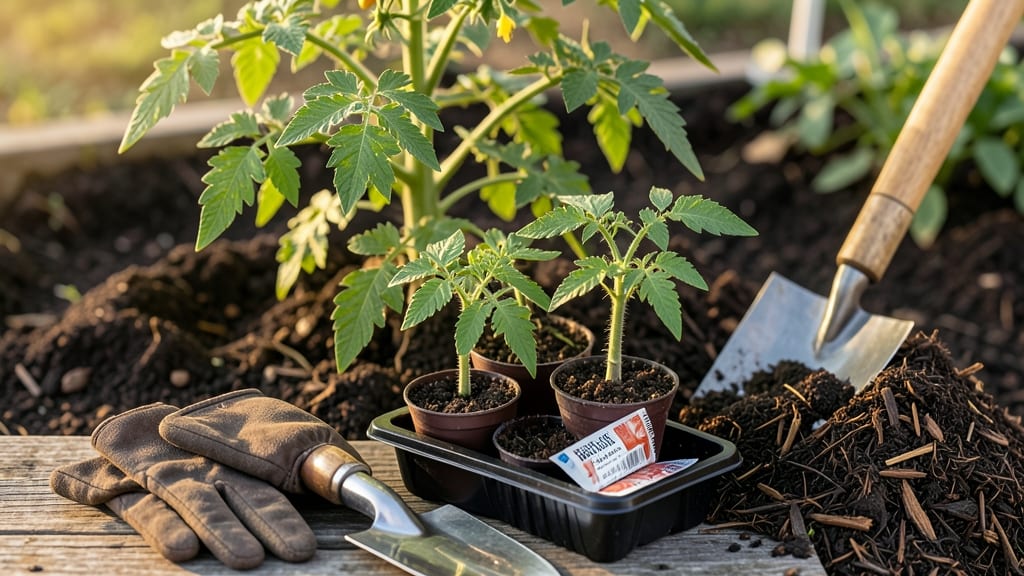
Planting tomato seeds in Tennessee requires precise timing to outrace frost and heat—start them indoors 6-8 weeks before your last spring frost, which varies from early March in Zone 8 to mid-April in Zone 6.
Tennessee gardeners know timing is everything when planting tomatoes—get it wrong, and frost could wipe out your harvest before it even starts. But master these zone-specific dates, and you’ll enjoy homegrown 🍅 from seed to table with confidence.
Indoor seed starting is your best bet for a head start, especially in cooler zones, while direct sowing works in warmer areas if you act fast. The key? Knowing your zone’s last frost date and adjusting for soil warmth.
Here’s how to align your planting schedule with Tennessee’s climate, from indoor starts to outdoor transplants, so you avoid both late frosts and summer’s scorching heat.
Tennessee’s best indoor tomato seed starting dates by USDA zone
Timing your tomato seeds indoors is the secret to a bountiful harvest in Tennessee’s varied climate. The USDA zones 6a-8b span from Nashville’s cooler springs to Memphis’ hotter summers, so knowing your last frost date and transplant window is critical.
Start too early, and seedlings become leggy; too late, and frost will kill them before fruiting. Let’s break down the perfect indoor seed-starting schedule for each zone to ensure your plants thrive from seed to table.
Tennessee’s last frost dates range from early March in Zone 8b (Memphis) to mid-April in Zone 6a (Northeast Tennessee). Since tomatoes need 6-8 weeks of indoor growth before transplanting, your seed-starting window opens 6-8 weeks before your last frost.
For example, if your last frost is April 15, start seeds by February 20 to give seedlings enough time to develop strong roots and stems before moving outdoors.
Here’s a zone-by-zone breakdown of your indoor seed-starting timeline, including when to begin seeds, how long to grow indoors, and the ideal transplant window. Use this as your guide to avoid common mistakes like overcrowding seedlings or skipping hardening off, which can stress your plants.
🌱 Key Tip: Use grow lights if your indoor space lacks 6-8 hours of sunlight daily. Tomato seedlings need 14-16 hours of light to prevent leggy growth. Place lights 2-3 inches above seedlings and adjust as they grow.
Once you’ve started your seeds indoors, focus on healthy seedling development. Keep soil consistently moist (not soggy) and provide 14-16 hours of light daily. Use a seedling heat mat if your home stays below 65°F at night, as cooler temperatures slow growth.
When seedlings reach 3-4 inches tall and have 2-3 sets of true leaves, it’s time to harden them off for 7-10 days before transplanting.
Hardening off is a critical step that many gardeners skip, but it’s essential for transplant shock prevention. Gradually expose seedlings to outdoor conditions by placing them in a shaded, sheltered spot for a few hours each day, then increasing exposure over a week.
This toughens their cell walls and prepares them for Tennessee’s unpredictable spring weather, including late frosts and wind.
After transplanting, monitor your tomato plants closely for early signs of stress, such as <
Outdoor planting dates for Tennessee tomatoes: avoiding frost and heat stress
Once your tomato seedlings are ready, timing their outdoor transplant is critical to avoid Tennessee’s unpredictable late frosts and scorching summer heat. The ideal window balances soil warmth and frost risk—plant too early, and seedlings will bolt or die; too late, and your harvest suffers from heat stress.
Let’s break down the zone-specific dates and soil conditions you need to know.
In USDA Zones 6a-7a (northwest Tennessee and higher elevations), aim to transplant seedlings outdoors 2-3 weeks after your last expected frost date. For most areas, this falls between April 15 and May 1.
In Zones 7b-8b (Middle and South Tennessee), you can start as early as March 20 to April 15, but always verify soil temperatures first.
🚨
- Planting in cold soil (<32°F) stunts root growth and invites disease.
- Transplanting too early risks frost damage—wait until nighttime temps stay above 50°F.
- Skipping hardening off shocks seedlings with outdoor conditions.
- Overcrowding seedlings leads to fungal diseases like early blight.
Pro tip: Use a soil thermometer—tomatoes thrive when soil hits 60°F+.
For heat-tolerant varieties like ‘Celebrity’ or ‘Solar Fire’, you can push the envelope in Southern Tennessee (Zones 7b-8b) by planting as late as June 1 for a fall harvest. These varieties handle 90°F+ temps better than standard types, but they’ll need extra water and mulch to retain moisture.
Always check seed packets for days to maturity—count backward from your first frost date to avoid late-season failures.
Adjust your planting dates if your area experienced an early frost the prior year. Use a frost calendar (like the one from your local Cooperative Extension Service) to fine-tune your schedule.
For example, if your last frost was April 20 last year, wait until May 5 to transplant this year to account for variability.
After transplanting, monitor your plants for heat stress signs like yellowing leaves or blossom drop. If temps exceed 95°F, provide afternoon shade with row covers or shade cloth (30-50% coverage). Mulching with straw or black plastic keeps roots cool and conserves moisture—a must in Tennessee’s humid summers.
Remember, soil temperature matters more than air temperature. Test it with a thermometer—60°F+ is the sweet spot for root establishment. If your soil is cooler, delay planting or use black plastic mulch to warm it faster.
With these adjustments, you’ll avoid the two biggest killers of Tennessee tomatoes: frost and heat stress.