
Plants
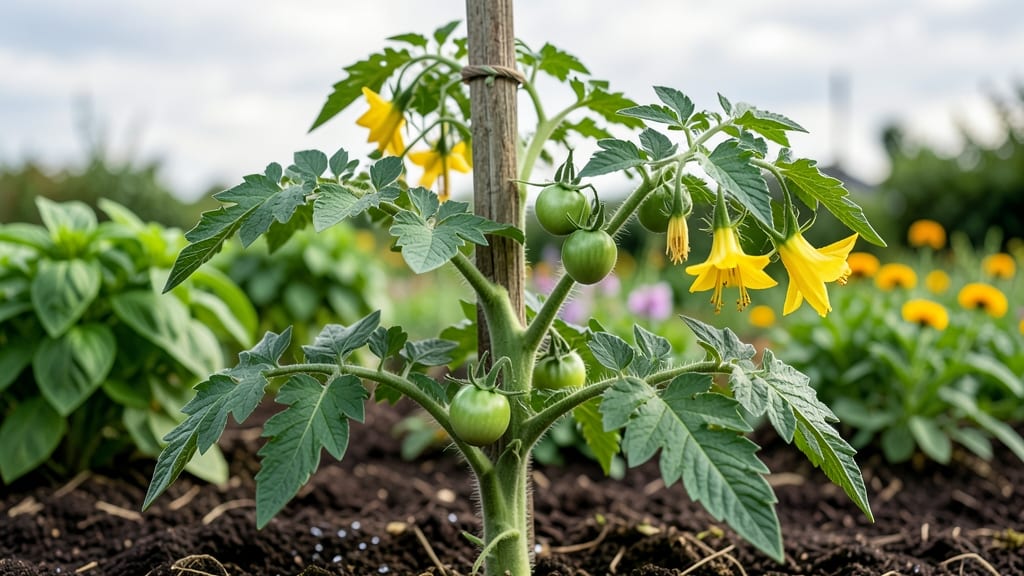
Tomato plants are annuals in most climates, meaning they complete their life cycle in one growing season and die after producing fruit. However, with proper care, they can be grown as perennials in warm regions or overwintered indoors for repeat harvests.
Tomato plants follow a natural growth pattern where they focus their energy on producing fruit rather than maintaining their own structure. 🌱 Once they've finished flowering and bearing tomatoes, their systems essentially shut down—especially when temperatures drop or frost arrives.
This is why they're classified as annuals in most growing zones, though some varieties, like cherry tomatoes, might linger longer if conditions stay ideal.
What many gardeners don't realize is that even in warmer climates, tomatoes won't naturally survive multiple years—they need human intervention. In frost-free zones, you can often coax them into producing again by carefully pruning and providing consistent care.
For cooler regions, overwintering indoors with proper light and humidity becomes essential if you want to keep your plants alive for another growing season.
Our team has found that the key to extending tomato plant life lies in understanding their energy priorities. When you see leaves yellowing after harvest, it's not just old age—it's the plant redirecting nutrients to support new fruit production.
By intervening at this stage, you can sometimes reset their growth cycle and enjoy another harvest.
💡 In This Article
- Why Tomato Plants Die After Harvesting
- How to Extend Tomato Plant Lifespan Beyond One Season
Why tomato plants die after harvesting
Tomato plants follow a biological pattern where their primary energy focus shifts entirely to fruit production during the growing season. Once flowering and fruiting peak, the plant's resources become depleted as it diverts nutrients from leaves and stems to support the developing tomatoes.
This is why you'll often notice leaves yellowing and dropping after harvest—it's a natural response to redirect energy. 🌱 In scientific terms, this is called "senescence," where the plant prioritizes reproductive success over its own longevity, a common trait in annual species.
The death of tomato plants is also heavily influenced by temperature sensitivity. Most commercial varieties are bred for temperate climates and cannot tolerate frost, which triggers cellular damage in their leaves and stems.
Even a light frost at 32°F or below can cause irreversible harm, leading to the plant's demise within days. Tropical varieties, however, like those from regions with consistent warmth, may survive slightly longer but still face energy depletion after fruiting.
The key difference lies in their genetic adaptation to specific climate conditions.
Another critical factor is the plant's natural life cycle. Annuals, by definition, complete their growth cycle in one season, while perennials regrow from the same root system year after year. Tomatoes lack the hardy root structure of perennials, which makes them vulnerable to environmental stressors post-harvest.
For example, a tomato plant in Zone 5 will likely die after the first frost, whereas one in Zone 10 might linger if protected from extreme heat or cold fluctuations.
What most gardeners overlook is how the plant's hormonal balance shifts after harvest. Ethylene gas, a natural plant hormone, accelerates ripening and aging processes in tomatoes. As the fruit matures, ethylene production increases, signaling the plant to shut down non-essential functions like leaf and stem maintenance.
This hormonal shift is what ultimately leads to the plant's decline, even in ideal growing conditions.
Consider this: a single tomato plant can produce 20-30 pounds of fruit in a season, requiring an enormous amount of energy. After this intense output, the plant's systems are exhausted, much like how a runner's muscles fail after a marathon.
Without intervention, the plant simply cannot recover—its energy reserves are depleted, and its structure weakens.
Understanding these biological mechanisms helps explain why even healthy-looking tomato plants can collapse after harvest. The process isn't a sign of poor care but rather a natural consequence of their annual growth pattern.
Recognizing these signs early can help gardeners decide whether to extend the plant's life or focus on saving seeds for next season.