
Plants
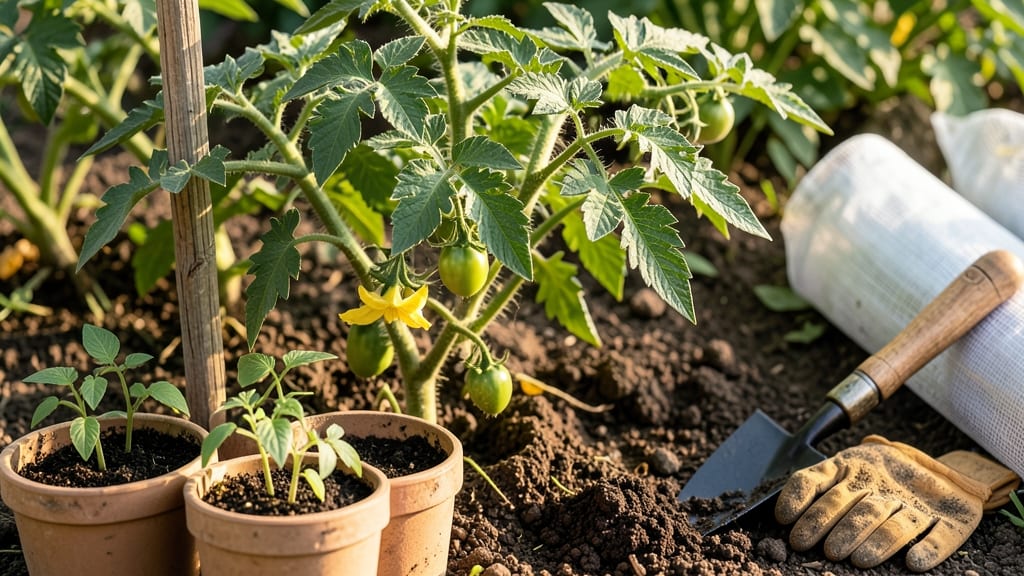
Planting tomato seeds in California depends on your microclimate—whether you’re in coastal fog, the Central Valley’s heat, or the desert’s extreme swings.
Get the timing wrong, and you’ll either watch seedlings die in a late frost or bolt before they bear fruit. But with the right schedule, you can stretch your harvest from spring to fall—no matter where you live in the state.
Here’s how to pinpoint the best window for your zone, from indoor starts to outdoor transplants, plus how to adjust for early or late tomatoes.
You’ll learn the exact dates for your region, how to handle heat-sensitive varieties, and when to harden off seedlings for zero frost risk.
California’s 5 microclimates & their ideal tomato seed planting windows
California’s tomato growing seasons vary dramatically depending on whether you’re in coastal fog belts, the scorching Central Valley, or the high desert. Each microclimate has its own last-frost dates and heat tolerance thresholds—critical factors for seed starting and transplanting.
Heirloom varieties like Brandywine need cooler conditions, while hybrids like Solar Fire thrive in desert heat.
To maximize your harvest, start with indoor seed sowing 6–8 weeks before your region’s last frost date. Then, harden off seedlings and transplant outdoors when soil temps hit 60°F+. Below, I’ve broken down exact planting windows for California’s 5 key microclimates, including heat-tolerant vs. cool-season recommendations.
| Microclimate | Last Frost Avg. | Indoor Seed Start | Outdoor Transplant | Heat-Tolerant Tips |
|---|---|---|---|---|
| Coastal (SF Bay, LA) | Dec 15–Jan 15 | Feb 15–Mar 15 | Apr 1–May 15 | Use row covers for spring frosts; heirlooms like 'Cherokee Purple' excel. |
| Central Valley (Sacramento, Fresno) | Feb 1–Mar 1 | Jan 15–Feb 15 | Mar 15–Apr 15 | Prioritize heat-set hybrids like 'Heatmaster'; mulch heavily to retain moisture. |
| Desert (Palm Springs, Coachella) | Never (Zone 10) | Feb 1–Mar 15 | Mar 1–Apr 15 | Plant shade cloth for seedlings; cherry tomatoes (e.g., 'Sungold') handle heat best. |
| Sierra Foothills (Sacramento Valley) | Mar 1–Apr 1 | Jan 30–Feb 15 | Apr 15–May 1 | Elevate beds for warmth; semi-dwarf varieties (e.g., 'Roma') adapt well. |
| Northern CA (Redding, Eureka) | Mar 15–Apr 15 | Feb 1–Mar 1 | May 1–Jun 1 | Start with cold frames; early girl hybrids (e.g., 'Stupice') tolerate cooler soils. |
For coastal areas, like San Francisco or Santa Barbara, fog delays warming, so extend indoor seed starts until mid-March. Use black plastic mulch to raise soil temps 5–10°F faster.
In contrast, the Central Valley can transplant as early as March 15—but watch for bolting if nights stay cool.
Desert regions like Palm Springs have no frost risk, but intense sun requires daily shade for seedlings. Opt for cherry tomatoes or beefsteak hybrids like 'Arkansas Traveler,' which handle 100°F+ days. In the Sierra foothills, elevated beds or greenhouse setups push transplant dates 2–3 weeks earlier.
Northern California’s longer winters demand earlier indoor starts (by February 1) and cold-hardy varieties. Try 'Mountain Merit' or 'Glacier'—both tolerate 40°F nights. If you’re in Zone 9 (e.g., Riverside), you can even plant a fall crop by July 15 for harvests before first frost (Oct–Nov).
Pro tip: Soil temperature matters more than air temp. Use a soil thermometer—tomatoes need 60°F+ for roots to establish. In cool microclimates, wait until May 1 to avoid blossom end rot from fluctuating temps. For heat zones, mulch with straw to keep roots consistently warm.
Heirloom vs. hybrid choice also shifts timing. Heirlooms (e.g., 'Brandywine') need longer growing seasons—start them 4–6 weeks earlier than hybrids. Conversely, heat-tolerant hybrids like 'Heatmaster' can handle transplanting in April even in hot zones, but avoid planting in peak summer (June–Aug) unless
How to adjust planting dates for early vs. late tomatoes in California
California gardeners can stretch the tomato-growing season from spring to fall with the right planting strategy. Early tomatoes thrive in cooler months, while late varieties handle summer heat—both require precise timing.
In coastal areas like San Francisco, fog delays heat, while Central Valley gardeners face scorching afternoons by mid-June. The key? Succession planting and season-extending tools.
For spring harvests, start seeds indoors 8-10 weeks before last frost (typically February-March for most regions). Transplant outdoors when soil hits 60°F+ and night temps stay above 50°F. Fall tomatoes need seeds sown April-May for late-summer transplants, using heat-tolerant varieties like 'Solar Fire' or 'Heatmaster'.
- 1. Coastal Zones (SF, Monterey): Start indoor seeds Feb 15 for spring harvests; use row covers to delay frost risk.
- 2. Central Valley (Sacramento, Fresno): Sow March 1-April 15 for spring; June 15-July 1 for fall.
- 3. Desert (Palm Springs, Coachella): Plant directly outdoors March 15-April 15—no indoor start needed.
- 4. Northern CA (Redding, Eureka): Extend season with cold frames; sow March 1-April 30 for spring.
- 5. Succession Tip: Space sowings 2-3 weeks apart for continuous harvests.
In marginal zones like San Francisco or Santa Barbara, row covers or low tunnels add 4-6°F protection, letting you plant 2-3 weeks earlier in spring or extend harvests into October.
Choose determinate varieties (like 'Roma' or 'Celebrity') for compact, early harvests, or indeterminate types (e.g., 'Sungold') for late-season production.
For fall tomatoes, prioritize heat-tolerant seeds sown April-May. Transplant after July 4th to avoid bolting from summer heat. In cooler inland valleys, a cold frame can push harvests to November. Always monitor soil temperature—ideal range is 70-85°F for germination.
Pro tip: Label seed packets with planting dates and variety names to track progress. Use shade cloth (30-50%) for seedlings if outdoor temps exceed 85°F. With these adjustments, you’ll enjoy tomatoes from May to October—or even year-round in greenhouse setups.
Remember, California’s microclimates mean your neighbor’s perfect timing might not work for you. Test a small batch of seeds each season to refine your schedule. Happy planting! 🌱