
Plants
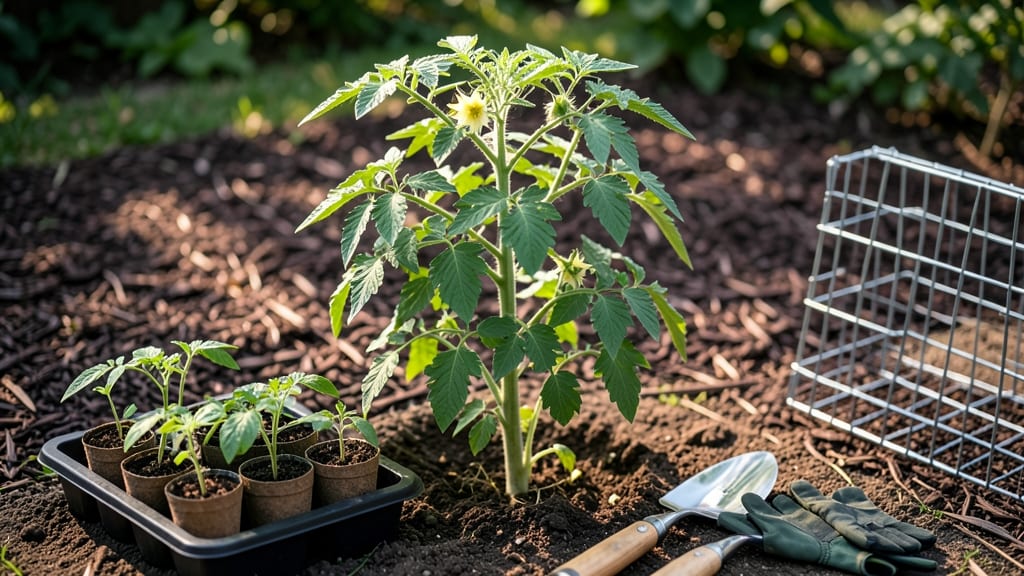
Planting tomato plants in Pennsylvania after the last frost—typically between April 15 and June 1—sets the stage for a bountiful harvest 🍅.
Pennsylvania gardeners know timing is everything—plant tomatoes too early, and frost will kill your crop; too late, and you’ll miss peak harvest season. But with the state’s diverse climate zones, the perfect planting window varies dramatically from Philadelphia to Pittsburgh.
That’s why understanding your local last-frost date is the first step. Whether you’re in USDA Zone 5b or 7a, soil temperature and microclimates play a huge role in when to start seeds indoors or transplant seedlings outdoors.
In this guide, I’ll walk you through the exact planting windows by county, the best tomato varieties for Pennsylvania’s short and long seasons, and pro tips to extend your harvest—so you can enjoy homegrown tomatoes from June to October.
Pennsylvania last-frost dates by county: when to plant tomatoes safely
Pennsylvania’s last-frost dates can vary by 10-14 days from one corner of the state to another. In Erie County, you might plant tomatoes by May 1, while Philadelphia gardeners can start as early as April 15.
These differences matter because tomatoes are frost-sensitive—even a light freeze can ruin your crop. Understanding your local microclimate is key to avoiding disappointment.
Most of Pennsylvania falls within USDA Zones 5b-7a, but urban areas like Pittsburgh and Philadelphia experience urban heat islands that can push planting dates 1-2 weeks earlier.
Rural areas, especially in the northeast, tend to have cooler springs and later frost dates. Always check your specific county for the most accurate timing.
For early varieties like 'Stupice' or 'Mountain Merit', you can plant 2-3 weeks before the average last frost date.
These cold-hardy tomatoes can tolerate light frosts and may even set fruit before summer heat arrives. Late varieties, such as 'Celebrity' or 'Better Boy', need full warmth and should wait until after the last frost to avoid stunted growth.
Soil temperature is just as critical as air temperature. Tomatoes thrive when soil is at least 60°F. In northern PA, this might not happen until late May, while southern PA can reach it by mid-April. Use a soil thermometer to confirm—don’t guess! Black plastic mulch can help warm the soil 2-3 weeks faster, giving you an earlier start.
| Region/County | Avg. Last Frost Date | Safe Planting Window | Early Variety Start | Late Variety Start | USDA Zone | Urban Adjustment |
|---|---|---|---|---|---|---|
| Philadelphia (Philadelphia Co.) | April 15 | April 20 - May 10 | April 1 (with frost cloth) | May 15 | 7a-7b | +5-7 days (heat island) |
| Pittsburgh (Allegheny Co.) | April 25 | May 1 - May 15 | April 15 (with protection) | May 20 | 6b-7a | +3-5 days (urban warmth) |
| Erie (Erie Co.) | May 10 | May 15 - May 30 | May 1 (cold-hardy only) | June 1 | 5b-6a | -2-3 days (cooler lakeside) |
| State College (Centre Co.) | May 5 | May 10 - May 25 | April 25 (protected) | May 25 | 6a-6b | 0 days (rural) |
| Lancaster (Lancaster Co.) | April 20 | April 25 - May 10 | April 10 (with cover) | May 15 | 6b-7a | +4-6 days (urban heat) |
| Scranton (Lackawanna Co.) | May 1 | May 5 - May 20 | April 20 (protected) | May 25 | 5b-6a | -1-2 days (mountain valleys) |
If you’re in a rural area, like Centre County or Lackawanna County, expect cooler nights and later soil warming. Use row covers or cold frames to extend your season.
In urban areas, like Philadelphia or Pittsburgh, concrete and buildings trap heat, so you can plant 1 week earlier than rural guidelines suggest.
For container gardening, adjust your timing 1-2 weeks later since pots heat up and cool down faster than in-ground soil. If you’re using black plastic mulch, you can plant 10-14 days earlier because it raises soil temperatures by 5-10°F.
Always monitor weather forecasts—a late frost can still sneak in, especially in northern PA.
Pro tip: Succession planting works well in Pennsylvania. Plant early varieties in April-May for a June harvest, then follow with mid-season varieties in late May for July-August fruit. Finally, add late varieties in early June to extend harvests into September or October.
Never plant tomatoes before the soil is warm—even if the air feels spring-like. Cold soil causes poor root growth and blossom drop. If you’re unsure, wait an extra week.
A delayed start with a healthy plant beats a struggling crop every time. Check Penn State Extension for your county’s local frost data and historical trends.
Remember, tomatoes need warmth to thrive. In northern PA, aim for late May plantings, while southern PA can start as early as mid-April. Adjust for your specific microclimate, and don’t forget to harden off seedlings before transplanting to reduce shock. With the
Best tomato varieties for Pennsylvania’s short vs. long seasons
Pennsylvania’s growing season varies wildly—from 60-day short seasons in the north to 100+ days in southern counties. This means your tomato variety choice can make or break your harvest. Determinate tomatoes (bush types) thrive in short seasons, while indeterminate varieties (vining) need longer heat.
Let’s match your microclimate to the perfect plants.
Northern PA (USDA zones 5-6) faces cooler springs and earlier frosts. Here, early-maturing determinate varieties like ‘Stupice’ or ‘Mountain Merit’ are lifesavers—they ripen in 55-65 days, beating frost.
Southern PA (zones 6b-7a) can handle heat-loving indeterminates like ‘Celebrity’ or ‘Solar Fire’, which produce all season until frost.
🌱 Tomato Varieties by PA Region & Season
-
📍 Northern PA (Short Season: 60-80 days)
- ‘Stupice’ – 55-day cherry tomato, cold-tolerant, great for early harvests.
- ‘Mountain Merit’ – 60-day disease-resistant beefsteak, thrives in cool nights.
- ‘Early Girl’ – 58-day classic, but needs row covers for best results.
-
📍 Central PA (Moderate: 80-100 days)
- ‘Better Boy’ – 75-day indeterminate, heat-tolerant, great for sauces/slicing.
- ‘Patio’ – 60-day dwarf, perfect for containers in urban gardens.
- ‘Brandywine’ – 80-day heirloom, needs staking but rewards with flavor.
-
📍 Southern PA (Long Season: 100+ days)
- ‘Celebrity’ – 70-day indeterminate, disease-resistant, produces until first frost.
- ‘Solar Fire’ – 60-day heat-tolerant cherry, thrives in humid summers.
- ‘Black Krim’ – 85-day heirloom, cold-hardy but needs full sun.
- 💡 Pro Tip: For extended harvests, mix early determinates (like ‘Stupice’) with late indeterminates (like ‘Better Boy’).
Don’t overlook heat-tolerant varieties for southern PA’s humid summers. ‘Heatmaster’ or ‘Sun Gold’ handle 90°F+ temps better than most, while ‘Glacier’ (a green-flesh tomato) stays crisp in late-season heat. For northern gardens, ‘Cold-Tolerant’ hybrids like ‘Defiant PhR’ resist blossom-end rot in cool soils.
Planting indeterminate varieties too early in short seasons? They’ll bolt to flower before setting fruit. Start with transplants (not seeds) for 60-day varieties—they hit the ground running. Use black plastic mulch to warm soil 5-10°F faster, giving early plants a head start.
In urban heat islands (like Philly), indeterminates may ripen 10-14 days earlier than rural areas.
For late-season harvests, try ‘San Marzano’ (85 days) or ‘Roma’ (70 days)—both store well and ripen before frost. Pair them with cage supports to avoid wind damage from PA’s fall storms.
If your season’s under 70 days, stick to cherry tomatoes (‘Sweet Million’) or pepper-shaped types (‘Pear’), which mature faster than slicers.
Match your tomato type to your season, and you’ll turn PA’s unpredictable climate into a harvest goldmine. Start with 1-2 varieties, experiment, and next year, you’ll have the perfect mix for your microclimate! 🌿