
Size
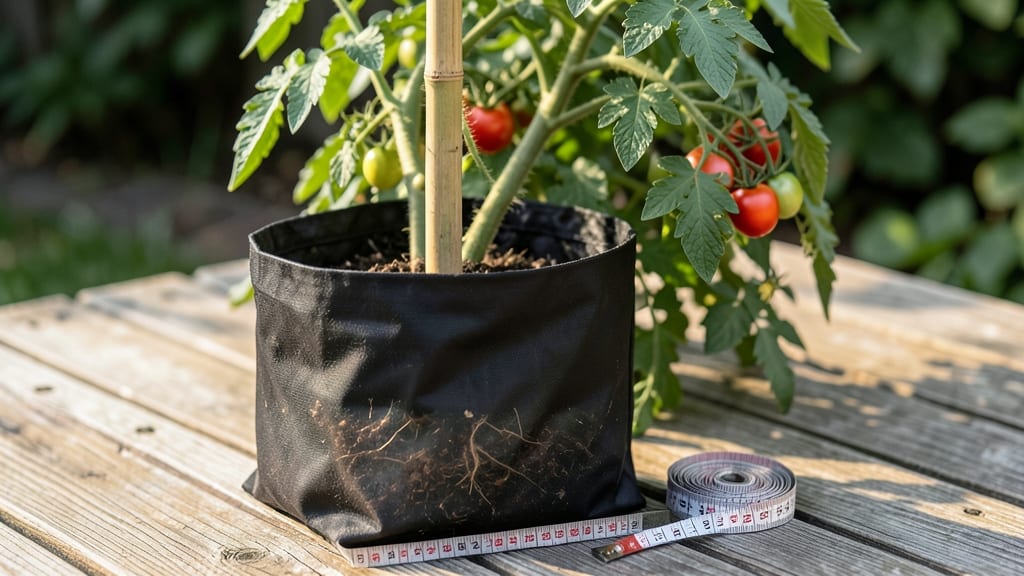
Your tomato grow bag dimensions determine whether your plants reach their full potential—or struggle in a cramped space. 🌱 I’ve tested everything from 10-gallon bags to oversized containers, and the right size makes all the difference in yield and plant health.
Too small? Roots get crowded, and your tomatoes stay puny. Too big? You waste space and water.
The sweet spot is 10-15 gallons for determinate varieties (like cherry tomatoes) and 15-20 gallons for indeterminate types (like beefsteaks). That gives roots enough room to spread while keeping the bag manageable.
Most store-bought grow bags hit these marks—just check the label before buying. If you’re DIY-ing, aim for 12-18 inches deep and 12-18 inches wide to mimic in-ground growing conditions.
With the right dimensions, you’ll see plants reaching 6-8 feet tall with heavy fruit loads, even in small spaces. The key is pairing the bag with sturdy stakes or cages early—roots expand fast, and support prevents flopping.
I’ve grown 20-pound tomatoes in 15-gallon bags using this setup, and the plants look just as happy as their in-ground cousins.
For tight spaces, opt for smaller bags (5-10 gallons) but plant just one tomato per container—crowding leads to disease and poor fruit. If you’re in a hot climate, go slightly larger to help roots stay cool.
The right size isn’t just about fit; it’s about setting your tomatoes up for a bountiful, stress-free season.
📚 In This Guide
- What you need
- Instructions
- Tips and common mistakes
- Wrapping up and next steps
What you need
- ● Grow Bag: Dimensions: 10–12 inches deep (minimum) × 12–18 inches wide (for 1–2 plants).
- ● Material: Fabric or breathable plastic (avoid impermeable bags to prevent root rot).
- ● Quantity: 1–2 bags per tomato plant (if using larger bags).
- ● Potting Mix: Type: Well-draining, organic mix (e.g., 60% peat/compost + 40% perlite/sand).
- ● Quantity: 1–2 cubic feet per bag (fill to ¾ capacity).
- ● Fertilizer: Type: Balanced organic fertilizer (e.g., 5-5-5 or tomato-specific blend).
- ○ Optional: Slow-release pellets or compost tea for a nutrient boost.
- ● Tools: Garden trowel or shovel (for planting).
- ● Watering can or hose with a gentle nozzle.
- ● Stakes or cages (if indeterminate varieties—6+ feet tall).
- ○ Optional: pH tester (ideal range: 6.0–6.8).
- ● Prerequisites: Sunny spot: 6–8+ hours of direct sunlight daily.
- ● Tomato seeds/plants: Determinate (bush) or indeterminate (vining) (check your variety!).
Step-by-Step guide to choosing and using tomato grow bag dimensions
Here's how to pick the perfect grow bag size for robust tomato plants—no guesswork involved.
🪴 Step 1: Select the Right Grow Bag Size
For four tomato plants, choose a grow bag that's at least 18-24 inches deep and 18-24 inches wide. This size gives roots plenty of room to spread while maintaining stability. I always opt for 24-inch depth because tomatoes develop deep root systems, especially when grown in containers. Look for bags with multiple drainage holes—these prevent waterlogging, which can suffocate roots and invite disease.
If you're growing larger varieties like beefsteak tomatoes, go for the 24-inch depth and 24-inch width to accommodate their vigorous growth. Smaller varieties like cherry tomatoes can thrive in 18-inch depth bags, but I've found they still benefit from the extra space for better air circulation around the roots.
🌱 Step 2: Prepare the Grow Bag for Planting
Fill the grow bag two-thirds full with a high-quality potting mix designed for vegetables. Avoid garden soil—it compacts easily and lacks the nutrients tomatoes crave. I like to add a slow-release fertilizer (like 10-10-10) mixed into the soil at this stage. This ensures a steady supply of nutrients as the plants grow.
Press the soil down gently to remove air pockets but don’t compact it too tightly. You want the soil to feel like a damp sponge—firm enough to support roots but still loose enough for water and air to move freely. Leave about 6 inches of space at the top of the bag for watering and future growth.
☀️ Step 3: Plant Tomatoes with Proper Spacing
Dig a hole in the center of the bag that’s twice as wide as the root ball of your tomato transplant. Place the plant in so the top of the root ball sits 1 inch below the soil surface. This ensures stability and prevents the stem from rotting if water pools around it. For four plants, space them 12-18 inches apart in a square pattern. This gives each plant enough room to grow without competing for nutrients or light.
After planting, water deeply until water runs out the drainage holes. This helps settle the soil around the roots and removes any air pockets. I like to water again 3-4 days later to encourage the roots to spread outward into the soil. Avoid overwatering now—you’ll see the soil surface dry slightly between waterings, which is a good sign the roots are establishing.
💧 Step 4: Maintain Optimal Moisture and Support
Tomatoes in grow bags dry out faster than in-ground plants, so check the soil daily during hot weather. Water when the top 1-2 inches of soil feel dry to the touch. Use a drip irrigation system or watering can to deliver water slowly at the base of the plant. Avoid wetting the leaves, as this can lead to fungal diseases like early blight.
As your tomatoes grow, they’ll need support. Install a sturdy tomato cage or stakes (at least 5-6 feet tall) when the plants are 6-8 inches tall. This prevents the heavy fruit from breaking the stems. If you’re using cages, place them in the bag before planting so you don’t disturb the roots later.
✂️ Step 5: Prune and Harvest for Maximum Yield
When your tomatoes reach 3-4 feet tall, start pruning the suckers—the small shoots that grow in the leaf axils. Remove these weekly to direct the plant’s energy into fruit production rather than leaf growth. I also prune any leaves that touch the soil to improve airflow and reduce disease risk.
Harvest tomatoes when they’re fully colored and slightly soft to the touch. For cherry tomatoes, this usually means they’re bright red and easy to pluck. Larger varieties like beefsteak tomatoes are ready when they’re deep red and firm. Pick them in the morning when the fruit is cool—this preserves flavor and extends shelf life.
Tips & tricks for perfect tomato grow bag setup
Here's what I've learned after growing tomatoes in containers for years—these tricks make all the difference for healthy, productive plants.
Container Selection: Look for grow bags made from breathable fabric rather than plastic. Fabric allows roots to breathe while still providing excellent drainage through those essential drainage holes. I've found that bags with reinforced bottoms last longer and maintain their shape better over time, especially when filled with moist soil.
Soil Preparation: In Step 2, when you're filling your bag two-thirds full with potting mix, consider adding a handful of perlite or vermiculite to improve aeration. This is particularly helpful in the lower third of the bag where roots will eventually grow. The extra space prevents compaction and helps prevent root rot—something I learned the hard way after losing a few plants to soggy soil.
Support System: Don't wait until your plants are 6-8 inches tall to install support. If you're using cages, place them in the bag before planting so they're already in position when you transplant. For stakes, drive them in at a slight angle to provide better stability for the plant's growth. I've seen plants topple over when the support wasn't properly anchored before the fruit started weighing them down.
Pro Tips for Tomato Grow Bag Dimensions
- Here's what I've learned after growing tomatoes in containers for years—these tricks make all the difference for healthy, productive plants.
- Container Selection: Look for grow bags made from breathable fabric rather than plastic.
- Soil Preparation: In Step 2, when you're filling your bag two-thirds full with potting mix, consider adding a handful of perlite or vermiculite to improve aeration.
Frequently asked questions
Got questions about tomato grow bag dimensions? You’re not alone!
Here are answers to the most common concerns—from sizing to troubleshooting—so you can grow juicy, healthy tomatoes with confidence.
What are the ideal tomato grow bag dimensions for one plant?
Aim for a minimum of 12–18 inches deep and 12–14 inches wide per plant. Deeper bags (up to 24 inches) are better for indeterminate varieties, while smaller bags (10–12 inches) work for determinate tomatoes. Pro tip: Wider bags allow roots to spread, preventing overcrowding and boosting yield!
How long do tomato grow bags last before needing replacement?
Most grow bags last 1–2 growing seasons before degrading. Look for signs like tears, mold, or root circling—these mean it’s time to upgrade. Pro tip: Use fabric bags with UV protection to extend their lifespan in sunny climates.
Can I use a tomato grow bag without drainage holes?
Nope! Drainage is non-negotiable—stagnant water causes root rot. If your bag lacks holes, poke them yourself with a drill or scissors. Pro tip: Elevate the bag slightly (on bricks or a stand) to improve airflow and prevent soggy soil.
What’s the best alternative if I don’t have grow bags?
No grow bag? No problem! Use:
- 5-gallon buckets (with drainage holes)
- Fabric planters or burlap sacks (natural, breathable)
- Wooden crates or raised beds (12+ inches deep)
Why are my tomato plants struggling in a grow bag?
Common issues and fixes:
Yellow leaves? Overwatering or poor drainage—check holes and adjust watering.
Stunted growth? Bag too small or nutrient-deficient—fertilize with tomato-specific feed and upgrade the bag if needed.
Fruits cracking? Inconsistent watering—keep soil evenly moist.
Pro tip: Rotate bags occasionally to ensure even sunlight exposure!Wrapping up and next steps
Choosing the right tomato grow bag dimensions is the first step to a bountiful harvest—whether you’re a seasoned gardener or just starting out! 🌱 With the ideal depth (12–18 inches) and width (18–24 inches), your plants will thrive, roots will spread comfortably, and yields will impress.
Don’t let size hold you back—experiment with fabric, drainage, and support to find your perfect setup.
Ready to grow? Start small—pick a grow bag that fits your space and skill level, then watch your tomatoes flourish. Happy planting! 🍅✨