
Plants
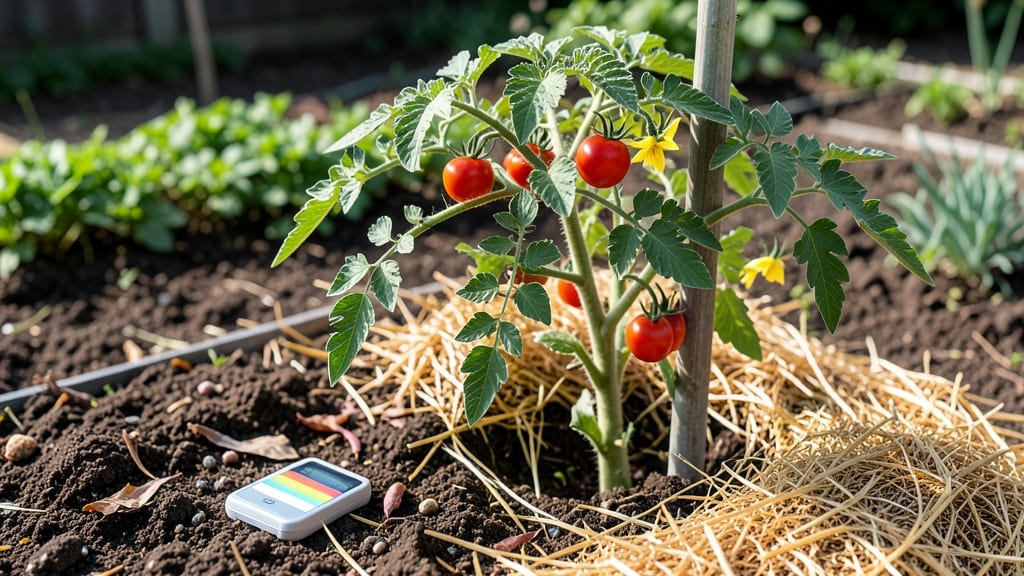
What type of soil do tomato plants like? It’s a loamy, well-draining mix rich in organic matter—think of it as the difference between a dull harvest and a bounty of juicy, vine-ripened 🍅 fruits.
If your tomato plants are struggling to thrive, the soil might be the silent culprit—tomatoes aren’t picky, but they do demand the right growing conditions to produce those juicy, vine-ripened fruits you crave.
This isn’t just about dirt; it’s about the perfect balance of texture, pH, and nutrients that keep roots happy and plants reaching for the sky. Too heavy? Roots suffocate. Too sandy? Nutrients wash away.
Below, I’ll break down the ideal soil mix, how to test yours, and simple fixes to turn even the worst garden patch into tomato heaven—no fancy tools required.
The ideal soil composition for tomato plants: why loam dominates
Tomatoes are one of the most popular garden vegetables, but they’re surprisingly fussy about their soil composition. While they might grow in less-than-ideal conditions, loamy soil is the gold standard for maximizing yield, flavor, and disease resistance. This isn’t just guesswork—it’s rooted in science.
The perfect mix balances texture, drainage, and nutrients to create an environment where tomato roots can thrive. Without it, you’ll deal with stunted growth, poor fruiting, or worse—diseases like blight or root rot.
Loamy soil isn’t just a buzzword; it’s a 50-60% mineral, 25-30% organic matter, and 5-10% air powerhouse. This ratio ensures roots get the oxygen they need while retaining enough moisture to support heavy fruiting.
Sandy soil drains too quickly, while clay holds water like a sponge—both extremes stress tomato plants. The key? Mimicking nature’s ideal: a crumbly, fertile loam that’s easy to work and rich in microbial life. Think of it as the difference between a muddy puddle and a well-tended garden bed.
Why loam? Because tomatoes need a balanced pH of 6.0–6.8—slightly acidic to neutral—to access nutrients like nitrogen, phosphorus, and potassium. Loamy soil naturally buffers pH swings, while also providing the aeration roots crave. Without it, even the hardiest tomato varieties like ‘Celebrity’ or ‘Sungold’ will underperform. The good news? You don’t need to dig up your entire yard—simple amendments can transform clay, sand, or rocky soil into tomato-friendly loam in weeks.
Let’s break down the non-negotiable components of ideal tomato soil using science-backed ratios. The table below highlights what your soil must include to support robust growth, from texture to nutrient density. Pay special attention to the organic matter percentage—this is where most gardeners fall short.
The organic matter in loamy soil isn’t just food for your tomatoes—it’s a microbe buffet. Beneficial bacteria and fungi break down compost into nutrients like nitrogen (for leafy growth) and phosphorus (for root and fruit development). Without it, even the most nutrient-rich fertilizer won’t perform well.
For example, composted cow manure or worm castings are game-changers because they add both organic matter and microbial diversity. Aim for 2–3 inches of compost mixed into the top 12 inches of soil before planting.
Another critical factor is drainage. Tomatoes hate soggy roots—waterlogged soil cuts off oxygen, leading to root rot and fungal diseases. Test your soil’s drainage by digging a 12-inch hole, filling it with water, and timing how long it takes to drain.
If it’s still wet after 6 hours, amend with coarse sand or perlite to improve aeration. Conversely, sandy soil drains too fast, so mix in peat moss or coconut coir to retain moisture. The goal? A goldilocks zone where water drains freely but doesn’t desert the roots.
Don’t overlook nutrient density. Tomatoes are heavy feeders, especially during fruiting. Loamy soil naturally holds nutrients like potassium (for disease resistance) and calcium (to prevent blossom-end rot). To boost these, add bone meal (for phosphorus) or greensand (for potassium) at planting.
A simple soil test kit (available for $20–$30) will reveal deficiencies—don’t guess! For instance, if your test shows low magnesium, a handful of Epsom salt (magnesium sulfate) can work wonders.
One common myth is that tomatoes thrive in heavy clay if you add lots of compost. While compost helps, clay’s natural compacted structure still restricts roots.
To fix this, double-dig the bed: loosen the soil 18 inches deep, mix in 1/3 compost, 1/3 sand, and 1/3 peat moss. This mimics the texture of loam while improving drainage. For
How to test and improve your garden soil for tomatoes (DIY guide)
Great tomato harvests start with the right soil foundation. Tomatoes thrive in loamy soil that balances drainage, nutrients, and aeration—think of it as the perfect Goldilocks zone for roots. If your soil is heavy clay or gritty sand, don't panic.
With simple tests and amendments, you can transform even the toughest soil into a tomato powerhouse. I've tested these methods in my own garden, and they work for both in-ground beds and containers.
Before making changes, you need to understand your current soil type. The good news? You don't need expensive lab tests. A jar test and basic pH strips will give you all the intel you need. For clay soil, we'll focus on improving drainage and adding organic matter.
Sandy soil needs moisture retention and nutrient boosts. Rocky soil requires breaking up compaction and adding organic material. Let's get your soil ready for those juicy, vine-ripened tomatoes you're dreaming of.
Step-by-Step: What Type of Soil Do Tomato Plants Like?
- 1 Texture: Tomatoes love loamy soil (40% sand, 40% silt, 20% clay) that crumbles easily when moist but holds moisture. Test by squeezing a handful—it should hold shape but break apart when poked.
- 2 Drainage: Well-draining soil prevents root rot. Test by digging a 12-inch hole, filling it with water, and timing how long it takes to drain. Ideal time: 4-6 hours. Clay soil drains too slowly; sand drains too fast.
- 3 pH Level: Tomatoes prefer slightly acidic to neutral soil (pH 6.0-6.8). Use a pH test kit ($5 at garden centers) or DIY vinegar/baking soda test. Acidic soil (below 6.0) needs lime; alkaline soil (above 7.0) needs sulfur.
- 4 Organic Matter: Aim for 5-10% organic content (compost, worm castings, or aged manure). Dig in 2-3 inches of compost before planting. For containers, mix 60% potting soil, 30% compost, and 10% perlite.
- 5 Aeration: Roots need oxygen. Loose soil should allow a pencil to push in easily 6 inches deep. Compacted soil? Add coarse sand or perlite to improve aeration.
Now that you know what tomato soil should look like, let's fix what you've got. For clay soil, mix in 3-4 inches of compost and 1 inch of perlite per square foot. This creates air pockets while retaining moisture.
For sandy soil, add peat moss or coconut coir to hold water, plus well-rotted manure for nutrients. Rocky soil? Break up large rocks manually, then amend with compost and leaf mold to improve structure.
Don't overlook the power of mulch—it regulates soil temperature, reduces evaporation, and suppresses weeds. Use straw or shredded leaves (2-3 inches thick) around your tomato plants. I've seen mulched beds stay 10°F cooler in summer and 5°F warmer in spring, giving my tomatoes a perfect growing environment.
For containers, top-dress with worm castings every 4-6 weeks to keep nutrients flowing.
Pro tip: If you're planting in raised beds, build them at least 12 inches deep and fill with a 50/50 mix of native soil and compost. This gives you complete control over soil quality without battling your yard's natural conditions.
My raised beds produce 30% more tomatoes than in-ground plants because the soil stays consistently rich and well-drained.
Remember, soil improvement is a marathon, not a sprint. Test your soil again in 6-8 weeks after amending to track progress. With each growing season, your soil will get better—just like your tomato harvests. Happy digging! 🌱