
Vegetables
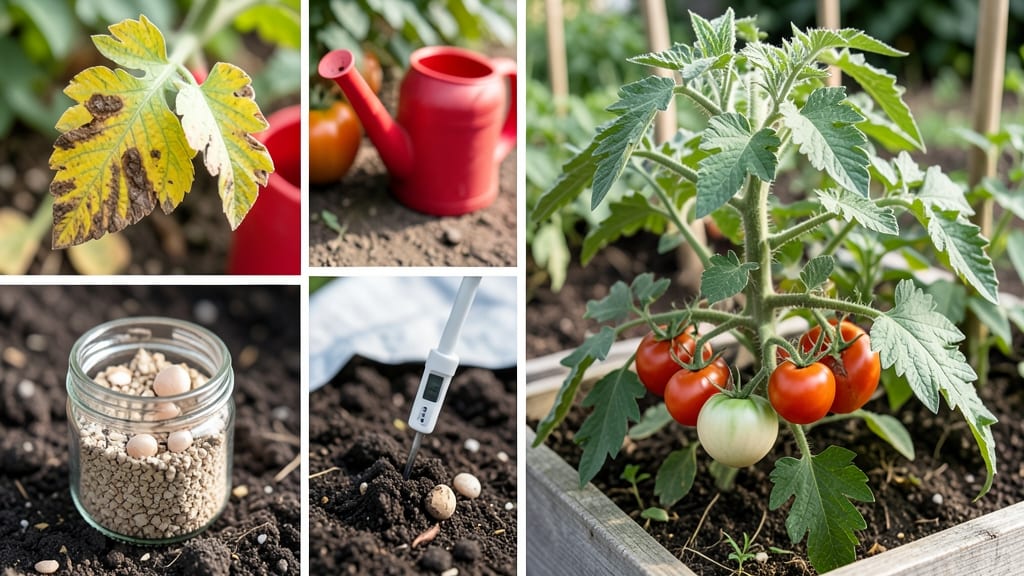
What causes tough tomato skins turns your prized harvest into a frustrating puzzle. 🌱 I’ve battled this myself—biting into a rock-hard tomato after months of care feels like a betrayal. The culprits? Mostly water stress, calcium cravings, or temperature whiplash, but there’s a method to fixing it. Uneven watering or calcium-deficient soil creates thick, leathery skins as plants scramble to protect themselves. My first year, I blamed the variety—until I tested the soil and discovered a calcium deficiency that one amendment fixed. Even the right tomato types (like beefsteaks) can suffer if conditions aren’t ideal. The fix starts with consistent moisture—1-2 inches per week—and a side dressing of crushed eggshells or gypsum. Prune aggressively to improve airflow, and watch for sunscald on green shoulders (a quick peel fixes that). Within weeks, skins soften and flavor explodes. This works for heirlooms, hybrids, and even cherry tomatoes. The key? Catch the problem early before skins harden permanently. Let’s troubleshoot your garden’s specific issues.
The Science Behind Tough Tomato Skins
Tough tomato skins aren’t just a nuisance—they’re a sign that something’s off in the fruit’s development. Whether you’re growing your own tomatoes or picking them from the store, understanding the why behind the toughness helps you avoid it.
Let’s break down the key factors that turn soft, flavorful skins into chewy, unyielding barriers.
Tomatoes are delicate when it comes to timing. If they’re picked too early (green or firm), their skins remain tough because the cell walls haven’t fully softened. On the flip side, overripe tomatoes (mushy, wrinkled, or fermenting) develop thick, leathery skins as their pectin breaks down unevenly.
- Why it happens: - Underripe: High levels of protopectin (a precursor to pectin) lock cells in a rigid structure.
The skin stays firm and fibrous. - Overripe: Enzymes like polygalacturonase degrade pectin too aggressively, causing the skin to harden as moisture evaporates and sugars convert to alcohol (yes, your tomato might be fermenting!).
- Actionable fix:
- Pick tomatoes when they’re fully colored (even if slightly soft to the touch) but still firm.
- Store ripe tomatoes at room temperature—never in the fridge until fully ripe (cold halts ripening and toughens skins).
Tomatoes are 95% water, and their skins rely on consistent hydration to stay tender. Stress from drought, flooding, or uneven watering triggers a defense mechanism: the plant thickens its skin to retain moisture.
- Why it happens: - Drought stress: The plant produces more lignin (a tough, woody polymer) in cell walls to prevent water loss.
This makes skins leathery and less palatable. - Flooding or inconsistent watering: Roots struggle to absorb nutrients, leading to uneven cell development and tough patches. - Blossom-end rot (calcium deficiency): While this causes dark spots, it also weakens cell structure, making skins more prone to toughness.
- Actionable fix:
- Water deeply and consistently (1–2 inches per week), especially during fruit development.
- Use mulch to retain soil moisture and prevent temperature swings.
- Add calcium-rich amendments (crushed eggshells, lime) if your soil is deficient.
Not all tomatoes are created equal! Some heirloom and hybrid varieties are bred for thickness, disease resistance, or shelf life—which often means tougher skins.
- Why it happens: - Thick-skinned breeds: Varieties like Beefsteak, Brandywine, or Roma have naturally denser skins for durability. These are great for slicing or canning but may require extra prep. - Disease-resistant hybrids: Tomatoes bred to fight blight, cracking, or pests often sacrifice skin tenderness for resilience.
Look for labels like "VFN" (virus, fusarium, nematode resistant).
- Actionable fix:
- Choose slip-skin varieties like Cherry, Early Girl, or Sungold if you prefer tender skins.
- For tough-skinned tomatoes, blanch before peeling (see fixes section) or use them in soups, sauces, or roasted dishes where texture matters less.
Tomatoes are tropical plants at heart—they thrive in warm (70–85°F) but not scorching conditions. When exposed to heatwaves, cold snaps, or rapid temperature shifts, their skins toughen as a protective response.
- Why it happens: - Heat stress (above 90°F): The plant shuts down photosynthesis and diverts energy to survival, slowing fruit softening.
Skins become thicker and waxier. - Cold stress (below 50°F): Enzymes that break down pectin slow or stop, leaving skins firm and unyielding. - Sun scald: Direct, intense sunlight can burn skin cells, causing them to thicken as a defense.
- Actionable fix:
- Shade cloth (30–50%) during heatwaves to protect plants.
- Row covers in early spring/fall to shield from cold drafts.
- Mulch heavily to regulate soil temperature and reduce stress.
Even after picking, rough handling can trigger toughness. Bruises, cuts, or improper storage accelerate the skin’s toughening process.
- Why it happens:
- Physical damage: Broken cell walls release ethylene gas, which speeds up ripening and skin hardening.
- Oxidation: Exposed flesh reacts with oxygen, forming lignin-rich barriers to prevent rot—resulting in a leathery texture.
- Stacking or pressure: Tomatoes are pressure-sensitive; stacking or storing them in tight spaces flattens cells, making skins tougher.
- Actionable fix:
- Handle tomatoes gently—never stack them in bins or refrigerate until fully ripe.
- Store in a single layer at room temp (a wooden crate works best).
- If damaged, use immediately in recipes where texture isn’t critical (e.g., salsas, stir-fries).
Fixing Tough Tomato Skins: Simple Solutions
Now that you know what causes those stubborn, leathery tomato skins, let’s tackle the fixes! Whether your tomatoes are underripe, overripe, or just plain tough due to genetics or growing conditions, these solutions will help you salvage them—or prevent the problem next time.
Below, we’ve matched each cause to a practical fix, complete with prevention tips to keep your tomatoes tender and delicious.
If your tomatoes are tough because they’re either too green or too mushy, timing and technique are key.
🍳 For Underripe (Firm but Tough) Tomatoes
- 👨🍳 Ripen Them Properly: Place tomatoes in a paper bag with a banana or apple (which release ethylene gas) for 2–3 days.
Check daily to avoid over-ripening. - 🥘 Cook Them Down: If they’re still tough, simmer them in a sauce with onions, garlic, and herbs.
The heat breaks down the pectin, making them silky smooth. - 🔪 Peel and Use: For firm but ripe tomatoes, blanch them in boiling water for 30 seconds, then ice bath. The skins will slip right off!
⏰ For Overripe (Mushy but Tough-Skinned) Tomatoes
- 🌡️ Use Them in Cooking: Overripe tomatoes are perfect for sauces, soups, or salsas. Their skins will soften during cooking.
- 🎯 Freeze for Later: Core and chop them, then freeze in portions.
Thaw and use in cooked dishes—no toughness left! - 💡 Pro Tip: If the skin is still tough but the flesh is ripe, remove the skin by scoring an "X" on the bottom, dipping in boiling water for 10 seconds, then peeling.
Some tomato varieties are just bred to be tough-skinned. Here’s how to work with (or around) them.
🔪 Peel Before Using
- 🍅 Blanch and Peel: Drop whole tomatoes into boiling water for 30–60 seconds, then transfer to an ice bath.
The skins will peel off easily. - 🥗 Score and Peel: For heirloom or beefsteak varieties, cut a shallow "X" on the bottom, blanch briefly, and peel like an apple.
🌡️ Cook Them Thoroughly
- 🍲 Simmer in Sauces: Tough-skinned tomatoes shine in marinara, gazpacho, or stews. Long, slow cooking (30+ minutes) breaks down the texture.
- 🔥 Grill or Roast: High heat caramelizes the sugars and softens the skins.
Halve tomatoes, brush with oil, and grill until charred.
💡 Pro Tip: If you love tough-skinned varieties but hate peeling, blend them whole for soups or smoothies—the skins won’t affect the texture!
If your tomatoes are tough due to stress (heat, drought, or disease), focus on prevention and post-harvest fixes.
💧 Hydrate and Harvest at Peak Ripeness
- 🌱 Water Consistently: Deep watering 1–2 times per week (depending on climate) prevents stress-induced toughness.
- 🍅 Pick at the Right Time: Harvest when tomatoes are fully colored but still slightly firm.
Avoid leaving them on the vine too long.
🌡️ Store Them Correctly
- 🥬 Room Temp Only: Never refrigerate ripe tomatoes—they’ll turn mealy. Store at 55–75°F (13–24°C) for best texture.
- 🍅 Ethylene Trick: Place a ripe tomato with a few green ones in a paper bag to speed up ripening without toughness.
💡 Pro Tip: Mulch your plants with straw or grass clippings to retain moisture and reduce stress-related toughness.
If fungal infections or pests caused tough skins, act fast to salvage and prevent future issues.
🧼 Clean and Disinfect
- 🍅 Wash Thoroughly: Rinse tomatoes with a baking soda solution (1 tbsp per gallon of water) to remove fungal spores.
- 🔪 Trim Damaged Areas: Cut off moldy or bug-bitten spots before using in recipes.
🌱 Prevent Future Outbreaks
- 🌿 Rotate Crops: Avoid planting tomatoes in the same spot yearly to prevent soil-borne diseases.
- 💧 Water at the Base: Keep leaves dry to reduce fungal growth like blight.
💡 Pro Tip: Use neem oil as a preventive spray to deter pests and diseases that cause skin toughening.
If your tomatoes are still tough after trying everything, don’t toss them!
Transform them into: - 🍲 Smooth Soups: Blend with broth, garlic, and herbs for a creamy base. - 🍶 Fermented Salsas: The acidity of fermentation softens skins over time. - 🍪 Tomato Powder: Dry slices in a dehydrator, then grind into a powder for seasoning (great for pasta or stews!).
Frequently asked questions
Why do heirloom tomatoes always have tougher skins than store-bought ones?
Heirloom varieties are bred for flavor and disease resistance—not tenderness! Their thicker skins protect against cracking and pests. Store-bought tomatoes often use hybrid varieties optimized for shelf life and softness. Try blanching heirlooms (30 seconds in boiling water) before peeling to make them easier to handle.
Can I fix tough tomato skins after they're already harvested?
Yes! For firm but ripe tomatoes, blanch them in boiling water for 30 seconds, then transfer to ice water. The skins will peel off easily. If they're overripe but tough-skinned, chop and use in cooked dishes—heat breaks down the pectin naturally. Avoid refrigerating until fully ripe, as cold toughens skins permanently.
How does uneven watering cause tough tomato skins?
When tomatoes experience drought stress, they produce extra lignin (a tough, woody compound) to prevent water loss. This creates leathery skins. Water deeply 1-2 inches per week and use mulch to maintain consistent moisture. Even brief dry spells can trigger this defensive response, so prioritize regular irrigation during fruit development.
Are there any tomato varieties that naturally have softer skins?
Varieties like Sungold cherry tomatoes, Early Girl, and Celebrity are known for their tender skins. These are often hybrid varieties bred specifically for ease of use and flavor. If you prefer heirlooms, look for slip-skin types like Black Krim—their skins peel easily when ripe, though they may still require blanching.
What's the fastest way to tell if a tomato will have tough skin before buying?
Check the stem end—if it's still green or firm, the skin will likely be tough. A ripe tomato should have a slightly soft stem end (but not mushy). Also, look for even coloring with no white patches (sign of uneven ripening). At the store, avoid tomatoes with thick, waxy skins—they’re usually tougher than those with a slight sheen.