
Vegetables
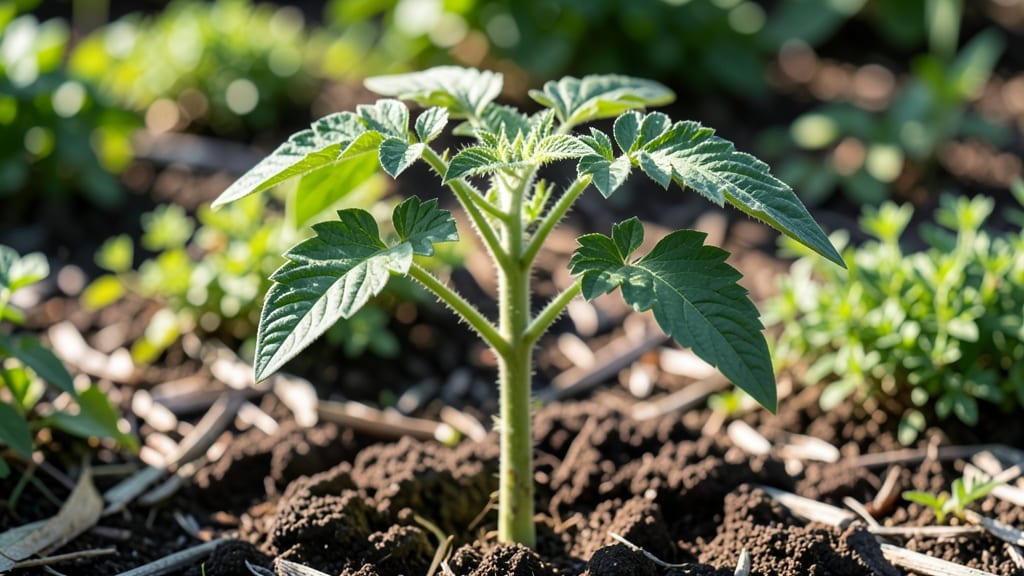
Your 3-week tomato seedlings are about to explode with growth—if you give them the right care now. 🌱 I’ve watched these little sprouts transform from fragile stems to sturdy plants in just a few weeks, and the secret lies in light, water, and a little strategic pruning.
This stage is all about balance: too much light scorches them, too little stretches them into leggy shadows. Water only when the top inch of soil feels dry, and always from below to keep those roots strong.
A gentle pinch of fertilizer now sets them up for heavy fruit production later. By week 4, you’ll see thick, dark-green leaves and a stocky stem—signs they’re ready for transplant. Hardening them off for 7-10 days means they’ll handle outdoor life like pros, not wilt like sad little plants.
The payoff? Bursting vines loaded with tomatoes by summer. Let’s get them there without a single setback.
📚 In This Guide
- What you need
- Instructions
- Tips and common mistakes
- Wrapping up and next steps
What you need
- ● Tomato seeds: 10–20 seeds (choose fast-germinating varieties like Early Girl or Cherry Tomato for quicker results).
- ● Seed-starting mix: 1–2 cups of sterile, lightweight potting soil (avoid garden soil—it’s too dense!).
- ● Seed trays or pots: 4–6 small containers (2–3 inches deep) with drainage holes, or a seed-starting tray with individual cells.
- ● Grow lights or sunny windowsill: A full-spectrum LED grow light (12–16 hours/day) or a south-facing window with 6+ hours of sunlight.
- ● Spray bottle: For gentle watering (avoid over-saturating the soil!).
- ● Plastic wrap or humidity dome: To retain moisture and warmth while seeds germinate.
- ○ Heat mat (optional but helpful): A seedling heat mat set to 70–80°F (21–27°C) to speed up germination.
- ● Seedling fertilizer: A balanced, water-soluble fertilizer (like 5-5-5 or 10-10-10) to give tiny sprouts a nutrient boost after germination.
- ● Grow light timer: Automates light cycles for consistency.
- ● Thermometer/hygrometer: Monitors soil temperature and humidity for optimal conditions.
- ● Egg cartons or recycled containers: Budget-friendly seed starters (just poke drainage holes!).
- ● Fungicide (like hydrogen peroxide): Prevents damping-off disease in humid conditions.
How to grow strong tomato seedlings in just 3 weeks
Here's how I get healthy, fast-growing tomato seedlings ready for transplanting in under a month.
🌱 Step 1: Prep Seeds and Soil for Quick Germination
Soak tomato seeds overnight in lukewarm water to soften the outer coating—this speeds up germination by 2-3 days. I use a small bowl with just enough water to cover the seeds completely. After 12 hours, drain them and let them sit for another hour before planting.
Fill your seed-starting trays with moistened seed-starting mix (not regular potting soil—it's too dense). Press the mix down gently so it's firm but still crumbly. Plant seeds ¼ inch deep, just barely covering them. I use a toothpick to make small holes—this prevents over-deep planting, which can delay sprouting.
💧 Step 2: Create a Warm, Humid Environment
Tomatoes love warmth, so place your trays on a seedling heat mat set to 75-85°F. This keeps the soil consistently warm, which is key for fast germination. Cover the trays with clear plastic wrap or a humidity dome to trap moisture—this mimics the warm, damp conditions seeds need to sprout.
Check daily for condensation on the plastic. If it's heavy, remove the cover for 10-15 minutes to prevent mold. You'll see the first sprouts in 5-7 days—they'll push through the soil like little green arrows. Once 50% of seeds have sprouted, remove the cover completely to reduce humidity and prevent damping-off disease.
☀️ Step 3: Move to Bright Light Immediately
The moment seedlings emerge, they need 14-16 hours of light daily. A south-facing window isn't enough—seedlings will stretch toward the light and become leggy. I use a grow light placed 2-3 inches above the seedlings. Raise it as they grow to keep it close but not touching.
Watch for first true leaves (the second set after the initial cotyledons). These should be dark green and sturdy. If seedlings look pale or stretch too tall, your light isn't strong enough. Strong seedlings have thick stems and leaves that are close together—this means they're getting the right amount of light and nutrients.
🌿 Step 4: Thin and Fertilize for Strong Growth
When seedlings have 2-3 true leaves, thin them to the strongest one per cell. Use scissors to snip weak seedlings at the base—this prevents disturbing the roots of the ones you're keeping. I also add a balanced liquid fertilizer (like 5-5-5) at half strength to give them a nutrient boost.
Water from the bottom now—place trays in a shallow dish of water for 10-15 minutes to encourage deep root growth. Avoid wetting the leaves, as this can lead to disease. You'll see new leaves emerge within 5-7 days—this is your signal that everything is working. Keep the soil lightly moist but never soggy.
⏰ Step 5: Harden Off Before Transplanting
Two weeks before your last frost date, start hardening off seedlings. Place them outside in a sheltered spot for 1-2 hours the first day, gradually increasing time over 7-10 days. This helps them adjust to outdoor conditions. If temperatures drop below 50°F, bring them back inside.
By week 3, your seedlings should be 6-8 inches tall with a strong stem and multiple leaves. They're ready for transplanting when they can handle a full day outside without wilting. Plant in the garden on an overcast day or in the late afternoon to reduce stress.
Tips & tricks for perfect 3-Week tomato seedlings
These simple tricks will help you grow robust tomato seedlings in just 21 days—no guesswork required.
Soaking Secret: The 12-hour soak in lukewarm water isn't just about speed—it also helps break seed dormancy. I've found that using filtered water prevents mineral buildup that can inhibit germination. After draining, pat the seeds dry for 30 minutes before planting to prevent mold. This extra step ensures your seeds don't sit in damp conditions too long.
Lighting Strategy: Those crucial 14-16 hours of light are non-negotiable, but here's what I've learned: Place your grow light on a timer to automate this. If you notice seedlings stretching toward light (called "legginess"), immediately lower the light closer—within 1-2 inches of the tallest seedlings. This forces them to grow stockier rather than reaching upward.
Thinning Technique: When thinning to the strongest seedling per cell, I use a pair of clean, sharp scissors to cut at soil level rather than pulling. This prevents disturbing the roots of your kept seedlings. The 2-3 true leaves stage is perfect for thinning because you can easily identify the weakest sprouts by their pale color or thin stems.
Harden Off Gradually: The 1-2 hour outdoor exposure on day one might seem short, but it's crucial. I start with just 30 minutes if temperatures are above 75°F to avoid shocking the seedlings. Gradually increase time while monitoring for wilting—if you see leaves drooping, bring them back inside immediately. This slow transition prevents transplant shock that can kill young plants.
Pro Tips for 3 Week Tomato Seedlings
- These simple tricks will help you grow robust tomato seedlings in just 21 days—no guesswork required.
- Soaking Secret: The 12-hour soak in lukewarm water isn't just about speed—it also helps break seed dormancy.
- Lighting Strategy: Those crucial 14-16 hours of light are non-negotiable, but here's what I've learned: Place your grow light on a timer to automate this.
Frequently asked questions
Got questions about speeding up your 3-week tomato seedlings? Here are answers to the most common ones—so you can avoid pitfalls and grow like a pro!
Why are my tomato seeds taking longer than 3 weeks to sprout?
Seed germination depends on warmth, moisture, and darkness. If your seeds aren’t sprouting in 3 weeks, check if your soil stays consistently warm (70–85°F) and moist (not soggy). Older seeds or improper storage can also slow things down. Try soaking seeds overnight in warm water before replanting!
Can I transplant 3-week-old tomato seedlings outdoors already?
Not yet! Wait until nighttime temps stay above 50°F (10°C) and seedlings have 3–4 true leaves (not just cotyledons). Harden them off first by placing them outside for a few hours daily, gradually increasing exposure. Transplanting too early risks shock or frost damage.
How do I keep my seedlings from getting leggy or weak?
Leggy seedlings happen from too little light. Move trays to a sunny window or use a grow light 2–3 inches above seedlings (14–16 hrs/day). Avoid overcrowding—thin seedlings to 1–2 inches apart. A balanced fertilizer (like 5-5-5) can also boost strength without burning young roots.
What if my tomato seedlings grow mold or fungus?
Mold or fungus (like damping-off) thrives in damp, poorly ventilated conditions. Stop watering from above—use a tray with drainage instead. Space seedlings for airflow, and sprinkle cinnamon or hydrogen peroxide (3%) on soil to prevent spread. Remove affected seedlings immediately to stop contamination.
Can I use regular potting soil for tomato seedlings?
While potting soil works, seed-starting mix (lightweight, sterile, and peat-based) is ideal. Regular soil may compact, suffocate roots, or harbor pests. Mix in perlite or vermiculite (20%) for better drainage. Avoid garden soil—it’s too heavy and can introduce diseases.
Wrapping up and next steps
Growing 3-week tomato seedlings in just 21 days is totally doable with the right tricks—warmth, light, and patience are your best friends! 🌱 By following these fast-germination tips, you’ll be well on your way to a thriving garden or windowsill harvest.
Now that your sprouts are strong and ready, it’s time to transplant them into larger pots or directly into your garden (if temperatures cooperate).
Ready to watch your tiny seedlings transform into robust plants? Grab those trays, get your hands dirty, and enjoy the journey—your future tomatoes will thank you! 🍅✨